0%

Table of Contents

Humic acid fertilizer represents a significant advancement in soil health and plant nutrition, increasingly recognized for its ability to enhance agricultural productivity and environmental sustainability. Globally, the demand for efficient and eco-friendly fertilizers is soaring, driven by a growing population and the urgent need to address food security. This necessitates innovative solutions like humic acid, which improve nutrient uptake and soil structure, reducing reliance on synthetic alternatives.

The role of humic substances in improving soil fertility has been understood for centuries, but modern extraction and formulation technologies have unlocked their full potential. With the UN Sustainable Development Goals emphasizing sustainable agriculture and responsible consumption, humic acid fertilizer aligns perfectly with global efforts to create resilient and environmentally sound food systems.

Understanding the benefits of humic acid fertilizer is crucial for farmers, agronomists, and policymakers alike. Its ability to enhance plant growth, improve soil quality, and reduce environmental impact makes it a cornerstone of modern, sustainable agriculture and a vital tool in the fight against global food insecurity.

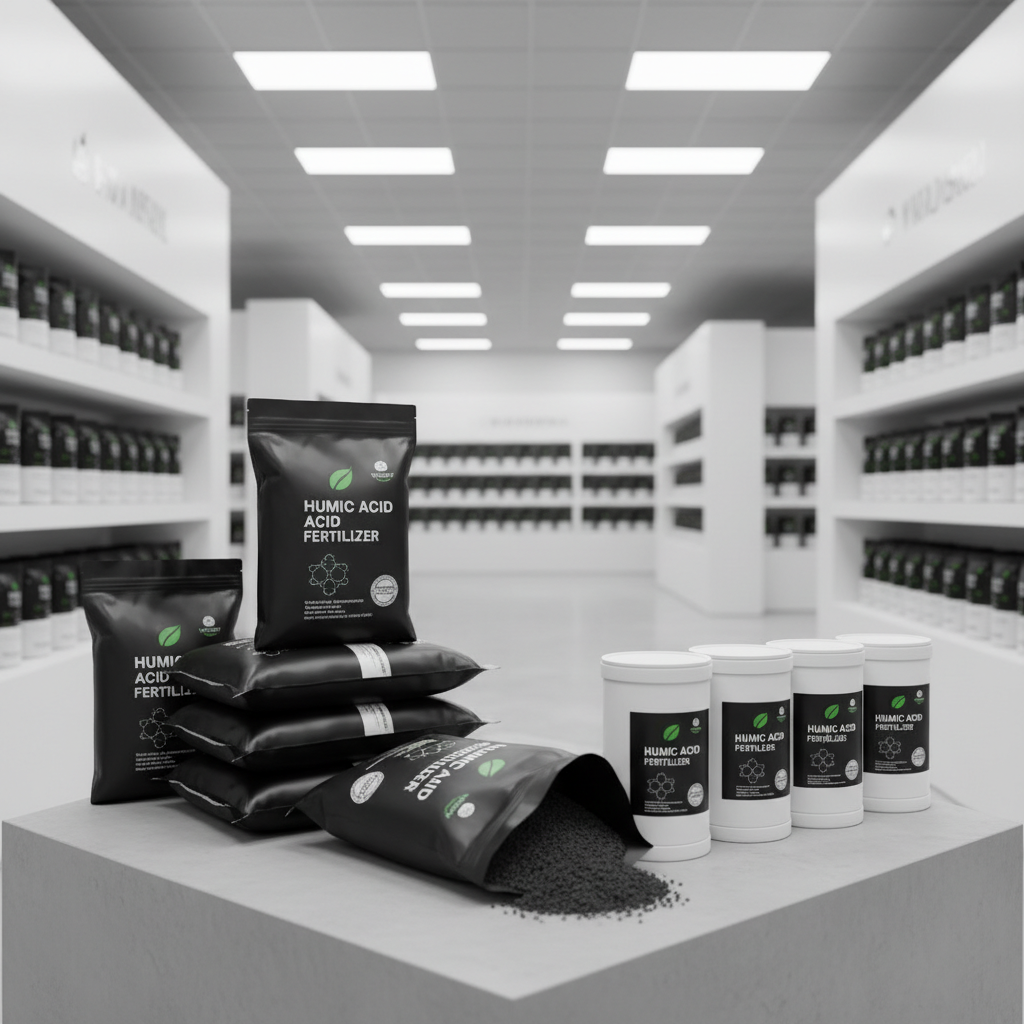
Humic Acid Fertilizer Revolutionizing Soil Health and Sustainable Agriculture

The Core Principles of humic acid fertilizer

Humic Acid Fertilizer Revolutionizing Soil Health and Sustainable Agriculture

At its core, humic acid fertilizer harnesses the power of decomposed organic matter, providing a rich source of nutrients and beneficial compounds for plant growth. This isn't simply about adding nitrogen, phosphorus, and potassium; it's about improving the soil's capacity to retain those nutrients and make them accessible to plant roots. This leads to more efficient fertilizer use and reduced environmental runoff.

The primary principle revolves around the chelation of essential minerals, making them more readily available for plant uptake. Humic acids act like natural carriers, preventing nutrients from being locked up in the soil and ensuring they are delivered directly to where plants need them most. This increased bioavailability significantly impacts plant health and yield.

The Global Significance of humic acid fertilizer

The global fertilizer market is estimated to reach billions of dollars in the coming years, with a growing emphasis on sustainable and organic options. The World Bank highlights the critical role of soil health in achieving food security, and humic acid fertilizer directly addresses this need by revitalizing depleted soils and enhancing agricultural productivity.

Demand for humic acid fertilizer is particularly strong in regions facing soil degradation and water scarcity. Countries in Africa, Asia, and parts of South America are actively seeking solutions to improve crop yields while minimizing environmental impact. The increasing adoption of precision agriculture further fuels this demand, as humic acid complements targeted nutrient delivery systems.

According to recent ISO standards, sustainable agriculture practices are becoming increasingly important, and humic acid fertilizer aligns perfectly with these guidelines. Its ability to reduce reliance on synthetic fertilizers and improve soil health makes it a crucial component of a more sustainable agricultural future, driving both economic growth and environmental protection.

Defining humic acid fertilizer and its Applications

Humic acid fertilizer is a soil amendment derived from organic matter – specifically, the humified remains of plant and animal material. It isn't a traditional fertilizer that directly provides nutrients; rather, it conditions the soil, creating a more favorable environment for plant growth and nutrient absorption. Think of it as a soil revitalizer.

Its applications are wide-ranging. It can be used in conventional agriculture to reduce synthetic fertilizer needs, in organic farming to enhance soil fertility, and in horticulture to improve plant establishment and growth. It's also increasingly popular in landscaping and home gardening for healthier, more vibrant plants.

The connection to modern industry stems from the advancements in extraction and purification techniques. Once limited to raw compost, humic substances can now be efficiently extracted and formulated into liquid or granular fertilizers, making them accessible and practical for large-scale agricultural operations and addressing the humanitarian need for increased food production.

Key Components Influencing humic acid fertilizer Effectiveness

One critical factor is the source of the organic matter. The quality of humic acid varies depending on the origin – leonardite, compost, or peat – with leonardite generally yielding the highest concentrations and biological activity. Understanding the source helps determine the potency of the final product.

Another key aspect is the molecular weight and composition of the humic acids. Lower molecular weight humic acids are more readily absorbed by plants, while the ratio of humic to fulvic acids influences their specific effects on soil chemistry and plant physiology.

humic acid fertilizer Component Impact on Plant Growth


Global Applications and Real-World Use Cases of humic acid fertilizer

In the United States, humic acid fertilizer is widely used in citrus and vegetable farming to improve fruit quality and yield. In Australia, it’s becoming a staple in vineyards to enhance grape flavor and resilience to drought.

Across Africa, particularly in regions struggling with degraded soils, humic acid is being incorporated into sustainable agriculture programs to restore fertility and boost crop production for smallholder farmers. In post-disaster relief operations, it’s used to rehabilitate damaged agricultural land quickly, providing immediate support to affected communities.

Advantages and Long-Term Value of humic acid fertilizer

The tangible benefits of humic acid fertilizer include reduced fertilizer costs due to increased nutrient uptake efficiency, improved water retention in the soil, and enhanced plant resistance to stress factors like drought and disease. These contribute to higher yields and improved crop quality.

Beyond the economic benefits, humic acid promotes long-term soil health, creating a more sustainable agricultural system. It enhances biodiversity, reduces the risk of soil erosion, and contributes to a more resilient ecosystem. This translates to a more secure and environmentally responsible future for agriculture.

Future Trends and Innovations in humic acid fertilizer Technology

Researchers are exploring novel extraction methods to improve the efficiency and sustainability of humic acid production, including enzymatic hydrolysis and supercritical fluid extraction. These techniques aim to minimize environmental impact while maximizing the yield of high-quality humic substances.

The integration of humic acid with biochar is gaining traction, combining the benefits of both materials to create a super-amendment that enhances soil fertility and carbon sequestration. Digital technologies, such as precision application systems guided by soil sensors, are also being developed to optimize the use of humic acid fertilizer, maximizing its impact while minimizing waste.

Furthermore, developments in nanotechnology are exploring the potential of nano-humic acid formulations for targeted nutrient delivery and enhanced plant uptake, promising even greater efficiency and effectiveness in the future.

FAQS

What is the optimal application rate for humic acid fertilizer?

The ideal application rate depends on several factors including soil type, crop species, and the specific humic acid product being used. Generally, rates range from 1-5 tons per hectare for soil application and 0.5-2% solution for foliar sprays. It's crucial to follow the manufacturer's recommendations and conduct soil tests to determine the appropriate dosage for your specific needs. Overapplication can sometimes lead to nutrient imbalances, so precision is key.

Can humic acid fertilizer be used with synthetic fertilizers?

Absolutely. In fact, humic acid fertilizer often enhances the effectiveness of synthetic fertilizers. By chelating nutrients, it prevents them from being locked up in the soil and makes them more readily available for plant uptake. This allows you to potentially reduce the amount of synthetic fertilizer needed while maintaining or even improving yields. This synergistic effect is a significant benefit.

Is humic acid fertilizer safe for the environment?

Yes, humic acid fertilizer is considered a very environmentally friendly option. It's derived from organic matter and doesn’t contribute to harmful chemical runoff like some synthetic fertilizers. It can even help reduce the environmental impact of synthetic fertilizers by improving nutrient use efficiency. It is non-toxic and promotes soil health, benefiting biodiversity.

How long does it take to see results after applying humic acid fertilizer?

The time it takes to see results varies depending on the crop, soil conditions, and application method. In many cases, improvements in plant vigor and growth can be observed within a few weeks of application. However, the full benefits – such as improved soil structure and nutrient retention – may take longer to become apparent, often manifesting over several growing seasons. Consistent, long-term use delivers the best results.

Can I use humic acid fertilizer on all types of plants?

Humic acid fertilizer is generally beneficial for a wide range of plants, including vegetables, fruits, ornamentals, and field crops. However, it's always a good idea to test a small area first, especially with sensitive plants. Specific formulations may be tailored to different crop types for optimal results. Always follow the manufacturer's instructions.

What's the difference between humic and fulvic acid?

Both humic and fulvic acids are components of humic substances, derived from decomposed organic matter. Fulvic acid has a lower molecular weight and is more readily absorbed by plants. While both are beneficial, fulvic acid is known for its ability to transport nutrients directly into plant cells, while humic acid primarily improves soil structure and nutrient retention. Many products contain a combination of both for synergistic benefits.

Conclusion

In conclusion, humic acid fertilizer offers a compelling solution for enhancing agricultural productivity and promoting sustainable land management. Its ability to improve soil health, increase nutrient availability, and reduce reliance on synthetic inputs positions it as a crucial component of future food systems. Understanding its core principles and applying it strategically is paramount for realizing its full potential.

Looking ahead, continued innovation in extraction techniques, formulation technologies, and precision application methods will further unlock the benefits of humic acid fertilizer. Investing in research and development, coupled with widespread adoption of sustainable agricultural practices, will be essential to harness the power of this natural resource and create a more resilient and environmentally sound future for agriculture. Visit our website: humic acid fertilizer

Michael Johnson

Michael Johnson

Michael Johnson is a Senior Agronomist and Formulation Specialist at Shijiazhuang Han Hao Trade Co., Ltd. He works closely with domestic universities and research institutions to develop optimized fertilizer formulas for a wide variety of crops. His expertise lies in soil testing, nutrient management, and maximizing crop yields. Michael plays
Previous Potassium Humic Acid for Sustainable Agriculture and Enhanced Soil Health
Next Understanding Ammonium Sulfate Applications Handling and Performance Considerations