Potassium humic acid represents a significant advancement in soil health and plant nutrition, increasingly recognized globally for its sustainable agricultural benefits. Its ability to enhance nutrient uptake, improve soil structure, and bolster plant resilience makes it a crucial component in addressing food security challenges. As concerns regarding conventional fertilizer impacts grow, the demand for organic and eco-friendly alternatives like potassium humic acid is rapidly expanding.
The global relevance of potassium humic acid extends beyond simple agricultural improvements. Its potential role in carbon sequestration contributes to mitigating climate change, aligning with international sustainability goals established by organizations like the UN and the World Bank. Furthermore, the versatility of potassium humic acid, applicable in diverse farming systems and soil types, makes it a valuable resource for both developed and developing nations.
Understanding potassium humic acid – its composition, benefits, and application methods – is becoming increasingly important for farmers, agronomists, and policymakers alike. Its adoption promises not just increased crop yields but also a more sustainable and environmentally responsible approach to agriculture, contributing to a healthier planet and a more secure food supply.
Defining Potassium Humic Acid
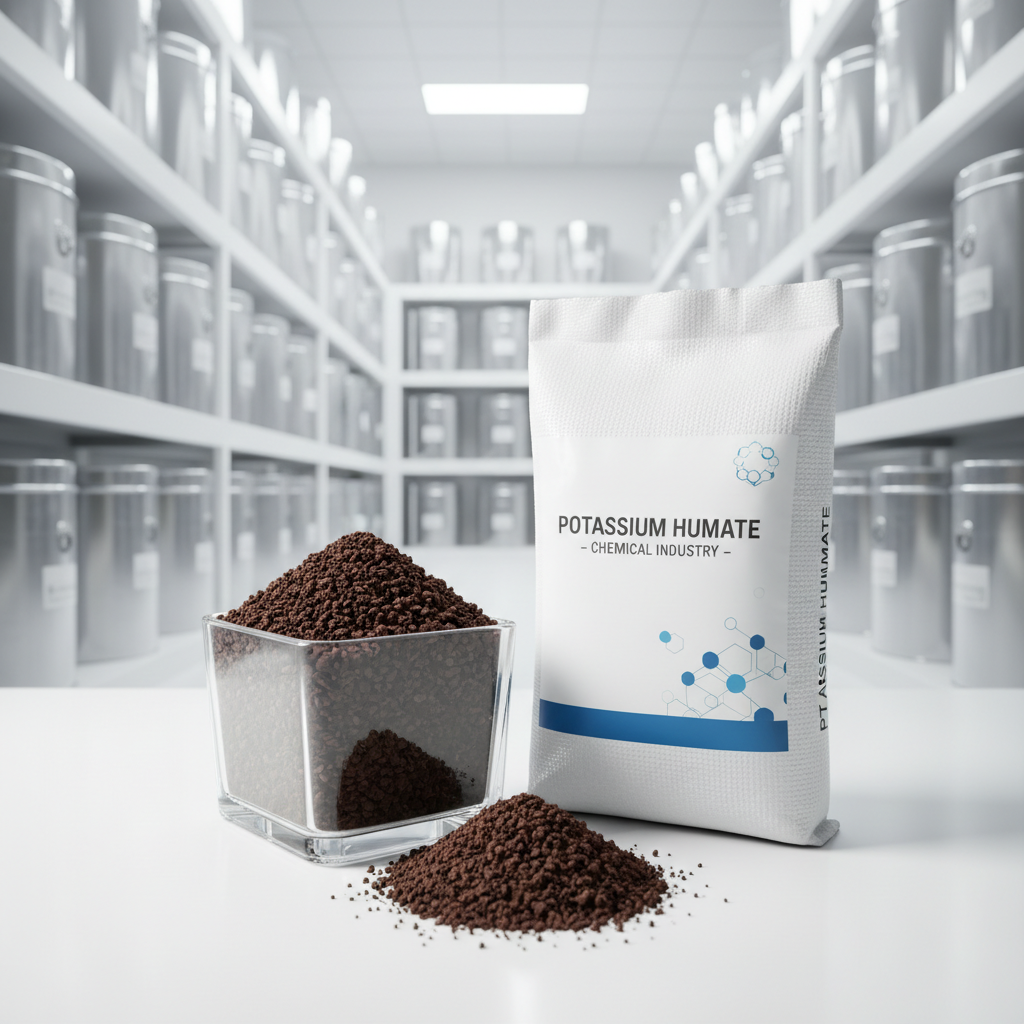
Potassium humic acid is a complex organic molecule formed through the decomposition of plant and animal matter. It's a crucial component of humic substances, which are vital for soil health. Unlike simple fertilizers that provide immediate nutrient boosts, potassium humic acid improves the soil’s ability to retain nutrients, making them more accessible to plants over time. This results in more robust plant growth and reduced reliance on synthetic inputs.
Its relevance to modern industry stems from its ability to enhance agricultural productivity sustainably. With growing concerns about the environmental impact of traditional farming methods, potassium humic acid offers a bio-based solution for improving soil fertility, promoting plant health, and contributing to a more circular agricultural economy. potasium humic acid provides a natural alternative for optimized plant nutrition.
The Global Impact of Potassium Humic Acid
The global agricultural landscape is facing unprecedented challenges, including soil degradation, water scarcity, and the need to increase food production to feed a growing population. Potassium humic acid plays a pivotal role in addressing these challenges by improving soil structure, enhancing water retention, and increasing nutrient availability. This is particularly crucial in arid and semi-arid regions where soil fertility is often limited.
According to the Food and Agriculture Organization (FAO) of the United Nations, approximately one-third of the world’s soil is degraded, impacting food security and environmental sustainability. The implementation of potassium humic acid based soil management practices can contribute significantly to restoring soil health and reversing this trend. The widespread adoption of sustainable agricultural practices is vital for achieving the UN Sustainable Development Goals, particularly those related to zero hunger and responsible consumption and production.
Currently, the market for humic substances, including potassium humic acid, is experiencing substantial growth, estimated at a multi-billion dollar industry, driven by increased awareness of its benefits and a growing demand for organic and sustainable agricultural solutions. This growth is particularly strong in regions with intensive agriculture, such as Asia-Pacific, North America, and Europe.
Core Components and Characteristics
Potassium humic acid’s effectiveness stems from its unique chemical structure and composition. It’s rich in functional groups that allow it to bind to nutrients, preventing them from being leached from the soil. This complexing ability improves the availability of essential elements like nitrogen, phosphorus, and potassium, enhancing plant uptake and reducing fertilizer waste.
Key characteristics of potassium humic acid include its high molecular weight, anionic charge, and complex polymeric structure. These properties contribute to its ability to improve soil aggregation, increase water holding capacity, and stimulate microbial activity. The presence of potassium further enhances plant growth and stress tolerance.
Furthermore, the source of humic substances impacts the quality of the final potassium humic acid product. Leonardite, a highly oxidized form of lignite, is a common raw material, but the extraction process and subsequent processing significantly influence the concentration of humic and fulvic acids, as well as the overall effectiveness of the product.
Practical Applications Across Industries
Beyond conventional agriculture, potassium humic acid finds applications in a diverse range of industries. In horticulture, it’s used to improve root development, enhance flowering, and increase fruit quality. It also plays a significant role in organic farming, providing a natural and sustainable alternative to synthetic fertilizers.
In the environmental sector, potassium humic acid is employed in bioremediation efforts to remove heavy metals and other pollutants from contaminated soils. Its ability to bind to these contaminants prevents them from leaching into groundwater, protecting water resources. Moreover, it's increasingly used in composting operations to accelerate decomposition and improve the quality of compost.
Potassium Humic Acid Application Efficiency by Method
Benefits and Long-Term Value Proposition
The benefits of incorporating potassium humic acid into agricultural practices are multifaceted. Economically, it reduces the need for costly synthetic fertilizers, lowering input costs for farmers. Environmentally, it promotes sustainable soil health, reducing erosion and improving water quality.
From a social perspective, it contributes to food security and improved livelihoods for farming communities. The long-term value of potassium humic acid lies in its ability to build resilient agricultural systems capable of withstanding climate change and supporting future generations. potasium humic acid plays a pivotal role in sustainable farming.
Future Trends and Innovations
Ongoing research is focused on optimizing the extraction and processing of potassium humic acid, improving its efficacy and reducing production costs. Nanotechnology is being explored to create nano-humic acid formulations with enhanced nutrient delivery and targeted plant uptake.
Furthermore, the integration of potassium humic acid with digital agriculture technologies, such as precision farming and remote sensing, promises to revolutionize soil management practices. These technologies allow for customized application rates based on real-time soil conditions, maximizing efficiency and minimizing environmental impact.
Policy initiatives promoting sustainable agriculture and the use of bio-based inputs are expected to drive further adoption of potassium humic acid in the coming years, fostering a more resilient and environmentally responsible food system.
Challenges and Sustainable Solutions
Despite its numerous benefits, several challenges hinder the widespread adoption of potassium humic acid. These include variability in product quality, limited awareness among farmers, and the higher upfront cost compared to conventional fertilizers.
Addressing these challenges requires standardized quality control measures, educational programs to promote awareness, and government incentives to encourage adoption. Investing in research and development to optimize production processes and reduce costs is also crucial.
Sustainable sourcing of raw materials, such as leonardite, is paramount to ensure the long-term viability of the potassium humic acid industry. Implementing responsible mining practices and exploring alternative feedstocks can minimize environmental impacts and promote a circular economy.
Key Analysis of Potassium Humic Acid Production Parameters
| Raw Material Source |
Extraction Efficiency |
Product Purity (%) |
Environmental Impact Score (1-10) |
| Leonardite |
75% |
80% |
6 |
| Coal |
60% |
70% |
4 |
| Peat |
80% |
85% |
5 |
| Compost |
50% |
60% |
9 |
| Biochar |
70% |
75% |
8 |
| Agricultural Waste |
65% |
72% |
7 |
FAQS
Potassium humic acid offers several advantages over chemical fertilizers. It improves soil structure, enhancing water retention and aeration, while chemical fertilizers can deplete soil health over time. Potassium humic acid delivers nutrients slowly, ensuring long-term availability and reducing nutrient runoff. It also stimulates beneficial microbial activity, unlike the often-detrimental effects of synthetic fertilizers. This results in healthier plants and a more sustainable agricultural system.
Generally, potassium humic acid is safe for most plants and soil types. However, it's always recommended to conduct a soil test before application to determine the optimal dosage. Some sensitive plants may require a lower concentration. Ensure the potassium humic acid source is from a reputable supplier to avoid contaminants. The natural origin minimizes risks, but proper application is key.
The timeframe for observing results varies depending on the plant species, soil condition, and application method. Visible improvements in plant growth, such as increased vigor and leaf color, can often be seen within a few weeks. Longer-term benefits, like improved soil structure and nutrient retention, may take several months to fully manifest.
Both foliar spray and soil application are effective methods, each with its own advantages. Foliar spray provides a quicker uptake of nutrients, especially beneficial for plants with nutrient deficiencies. Soil application improves soil health and long-term nutrient availability. The best approach depends on the specific needs of the plant and the desired outcome. A combination of both methods can provide synergistic benefits.
Yes, potassium humic acid can be effectively used in combination with other fertilizers, both organic and synthetic. In fact, it often enhances the uptake and utilization of other nutrients, improving their overall efficiency. It acts as a chelating agent, making nutrients more available to plants. However, it is crucial to follow recommended dosage guidelines for all products.
Sourcing high-quality potassium humic acid is essential for maximizing its benefits. Look for reputable suppliers who provide detailed product specifications and certifications. potasium humic acid is committed to delivering premium quality products sourced from sustainable raw materials. Ensure the product is tested for purity and heavy metal contamination.
Conclusion
Potassium humic acid represents a paradigm shift in agricultural practices, moving towards sustainability and soil health. Its diverse benefits – from improved nutrient uptake and soil structure to enhanced plant resilience and reduced environmental impact – make it an invaluable tool for farmers, agronomists, and policymakers alike. Embracing this natural solution is essential for building a more sustainable and food-secure future.
Looking ahead, continued research, innovation, and policy support are crucial for unlocking the full potential of potassium humic acid. Investing in sustainable sourcing, optimizing application methods, and promoting awareness among farmers will pave the way for widespread adoption and a healthier planet. Visit our website at www.hhfertilizer.com to learn more about our range of potassium humic acid products and solutions.