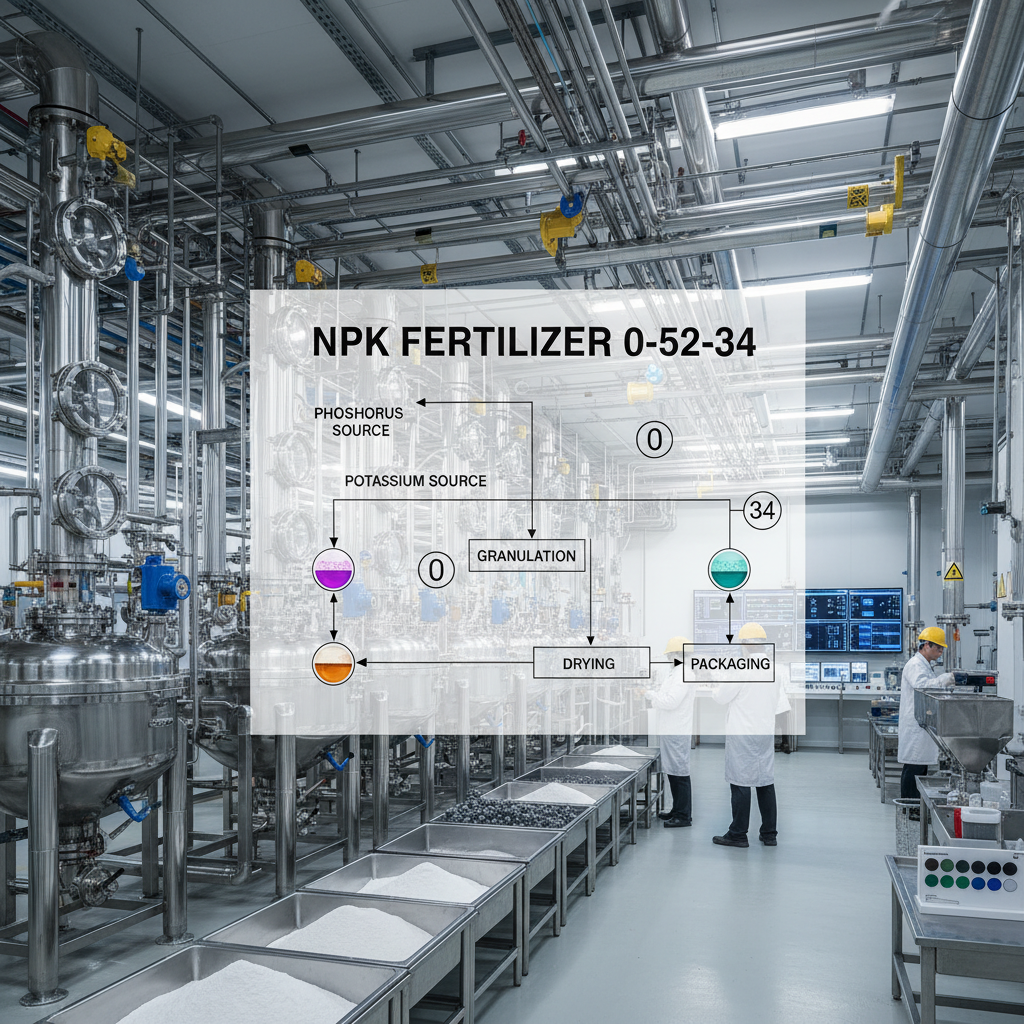
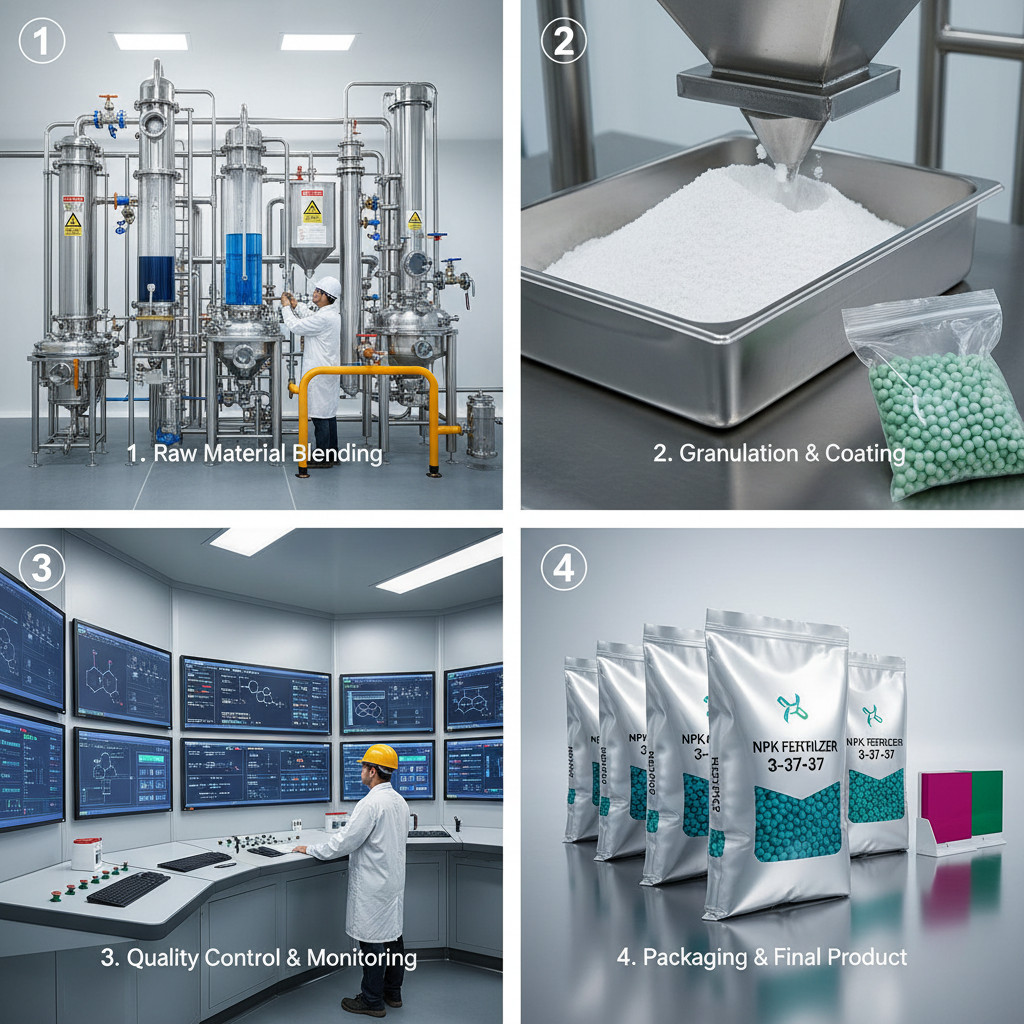
npk fertilizer 0 52 34 is a highly specialized potassium nitrate fertilizer, playing a crucial role in modern agriculture, particularly in horticultural and fertigation systems. Its unique formulation, boasting a 0-52-34 NPK ratio, delivers a concentrated source of potassium and phosphorus, essential for fruit development, flowering, and overall plant health. Globally, demand for such high-potassium fertilizers is rising due to increasing pressure on food production and the need for high-quality crops.
The significance of npk fertilizer 0 52 34 extends beyond simply boosting yields. It's increasingly utilized in precision farming techniques, allowing growers to tailor nutrient delivery to specific plant needs, minimizing waste and environmental impact. According to the Food and Agriculture Organization of the United Nations (FAO), sustainable agricultural practices, including efficient fertilizer use, are paramount to achieving global food security. This fertilizer addresses the challenge of providing essential nutrients without contributing to excessive nitrogen runoff.
Understanding the benefits and proper application of npk fertilizer 0 52 34 is vital for both large-scale agricultural operations and smaller-scale horticultural endeavors. It’s a key component in maximizing crop quality and economic returns, driving innovation within the fertilizer industry and contributing to a more sustainable food system.
The Role of npk fertilizer 0 52 34 in Modern Agriculture
npk fertilizer 0 52 34 is rapidly becoming a cornerstone of modern agricultural practices, particularly in high-value crop production. Its tailored nutrient profile caters to the demanding needs of fruits, vegetables, and ornamentals, providing a significant advantage over traditional, more generalized fertilizers. The rise of controlled-release and fertigation systems further amplifies its effectiveness.
The fertilizer's effectiveness is directly tied to its composition; the high potassium content is critical for water regulation within the plant, improving drought tolerance and overall plant vigor. The phosphorus component is vital for root development and energy transfer, bolstering early growth and ensuring robust yields. Utilizing npk fertilizer 0 52 34 ensures optimal nutrient uptake and minimizes nutrient loss.
Defining npk fertilizer 0 52 34: Composition and Applications
npk fertilizer 0 52 34 is a water-soluble fertilizer characterized by its precise nutrient ratio: 0% nitrogen (N), 52% phosphorus pentoxide (P2O5), and 34% potassium oxide (K2O). This formulation signifies a complete absence of nitrogen, making it ideal for crops where nitrogen excess is undesirable or where nitrogen is supplied through other sources. It's commonly available as a crystalline powder, designed for easy dissolution and application.
The primary application of npk fertilizer 0 52 34 lies in promoting flowering, fruiting, and root development. It's widely used in horticultural crops like tomatoes, peppers, strawberries, and bananas, where potassium and phosphorus are critical for high-quality yields. The fertigation capabilities allow for precise nutrient control and efficient delivery directly to the plant's root zone.
Its unique composition also makes it suited for correcting phosphorus and potassium deficiencies in various crops. Unlike some other fertilizers, npk fertilizer 0 52 34 provides readily available nutrients, resulting in quick responses from plants.
Key Properties of npk fertilizer 0 52 34
One of the defining properties of npk fertilizer 0 52 34 is its high solubility, which ensures complete dissolution in water, preventing clogging in irrigation systems and allowing for uniform nutrient distribution. This high solubility is a direct benefit for fertigation applications.
Another key characteristic is its low salt index. This minimizes the risk of salt buildup in the root zone, even with frequent applications, promoting healthy root growth and nutrient uptake. This is particularly important for sensitive crops or in regions with limited rainfall.
Furthermore, npk fertilizer 0 52 34 exhibits excellent chemical stability, meaning it doesn't readily decompose or lose its potency during storage or application. This ensures consistent nutrient delivery and predictable plant responses.
Practical Applications and Usage Guidelines
The optimal application rate of npk fertilizer 0 52 34 varies depending on crop type, growth stage, soil conditions, and irrigation system. Generally, it’s applied through fertigation, dissolving the fertilizer in irrigation water and delivering it directly to the plant roots.
A common guideline is to use between 1-3 grams of npk fertilizer 0 52 34 per liter of water, adjusted based on plant needs and soil testing results. It’s crucial to avoid over-application, as excessive potassium can interfere with the uptake of other essential nutrients.
npk fertilizer 0 52 34 Application Rate by Crop Type
Global Applications of npk fertilizer 0 52 34
npk fertilizer 0 52 34 finds widespread use in regions with intensive horticultural production, such as Southeast Asia, the Mediterranean basin, and parts of North and South America. These regions rely heavily on high-value crops that demand a concentrated potassium and phosphorus supply.
In Israel, a pioneer in fertigation technology, npk fertilizer 0 52 34 is extensively used in greenhouse cultivation of tomatoes, peppers, and other vegetables. Similarly, in Spain and Italy, it’s crucial for optimizing fruit quality in citrus and olive groves.
Advantages and Long-Term Benefits
The primary advantage of npk fertilizer 0 52 34 lies in its ability to enhance crop quality and yield. The concentrated potassium and phosphorus content directly contributes to improved fruit size, color, and sugar content, leading to higher market value. Its precision allows for reduced fertilizer waste, minimizing environmental impact.
Long-term benefits include increased soil health and improved water use efficiency. By promoting robust root development, the fertilizer enhances the plant's ability to access water and nutrients, reducing the need for excessive irrigation. This translates into sustainable agricultural practices and reduced operational costs.
Future Trends and Innovations in Potassium Nitrate Fertilizers
Research and development efforts are focused on enhancing the efficiency and sustainability of npk fertilizer 0 52 34. This includes exploring controlled-release formulations that slowly release nutrients over time, minimizing nutrient loss and maximizing plant uptake.
Another promising trend is the integration of digital technologies, such as sensor-based nutrient monitoring and precision irrigation systems. These technologies enable real-time adjustments to fertilizer application rates, optimizing nutrient use and minimizing environmental impact. The use of bio-stimulants in combination with npk fertilizer 0 52 34 is also gaining traction.
Furthermore, advancements in fertilizer production processes are aimed at reducing the carbon footprint associated with manufacturing and transportation, aligning with global sustainability goals.
Summary of Key Considerations for npk fertilizer 0 52 34 Application
| Crop Type |
Application Method |
Recommended Rate (g/L) |
Monitoring & Adjustment |
| Tomatoes |
Fertigation |
2.0 - 2.5 |
EC and pH levels, leaf analysis |
| Strawberries |
Fertigation |
1.5 - 2.0 |
Fruit size and sugar content |
| Bananas |
Fertigation |
2.5 - 3.0 |
Bunch weight and fruit quality |
| Peppers |
Fertigation |
2.0 - 2.5 |
Fruit size and color |
| Cucumbers |
Fertigation |
1.5 - 2.0 |
Fruit yield and quality |
| Citrus Fruits |
Fertigation |
2.0-2.8 |
Fruit size, sugar content, and overall yield |
FAQS
The ideal pH level for fertigation with npk fertilizer 0 52 34 typically falls between 6.0 and 6.5. Maintaining this range ensures optimal nutrient solubility and availability for plant uptake. Monitoring pH regularly is crucial, as deviations can reduce fertilizer effectiveness. Adjustments can be made using pH adjusting solutions, ensuring compatibility with the fertilizer.
Yes, npk fertilizer 0 52 34 can be effectively combined with other fertilizers, but careful consideration is needed. Since it contains no nitrogen, it’s often paired with a nitrogen source to provide a balanced nutrient supply. It's important to ensure compatibility between the fertilizers to prevent precipitation or nutrient antagonism. Always consult a qualified agronomist or fertilizer specialist for guidance.
Signs of potassium deficiency include yellowing or browning of leaf edges (marginal chlorosis), weak stems, and reduced fruit set. Leaves may also exhibit interveinal chlorosis, where the tissue between the veins turns yellow. Applying npk fertilizer 0 52 34 promptly can correct these deficiencies and restore plant health.
npk fertilizer 0 52 34 should be stored in a cool, dry, and well-ventilated area, away from direct sunlight and moisture. It’s best to keep it in its original, sealed container to prevent caking or contamination. Proper storage ensures the fertilizer remains effective for an extended period.
When used responsibly and according to recommended guidelines, npk fertilizer 0 52 34 is relatively environmentally safe. Its high solubility and efficient uptake minimize nutrient runoff. However, it’s crucial to avoid over-application and follow best management practices to protect water resources.
Crops with high potassium demands, such as tomatoes, peppers, strawberries, bananas, grapes, and other fruiting vegetables and fruits, benefit the most from npk fertilizer 0 52 34. It's particularly valuable for enhancing fruit quality, color, and sugar content. It's also suitable for ornamentals requiring abundant flowering.
Conclusion
npk fertilizer 0 52 34 stands as a vital tool in modern agriculture, offering a highly effective solution for enhancing crop quality, maximizing yields, and promoting sustainable practices. Its unique composition, high solubility, and low salt index make it a preferred choice for fertigation and a valuable asset for growers seeking optimal plant nutrition. Understanding its applications and following recommended guidelines is essential for achieving the best results.
Looking ahead, continued innovation in fertilizer technology, coupled with advancements in precision agriculture, will further unlock the potential of npk fertilizer 0 52 34. By embracing these advancements, we can ensure a more sustainable and productive food system, meeting the growing demands of a global population. For more information on how npk fertilizer 0 52 34 can benefit your operation, visit our website: www.hhfertilizer.com