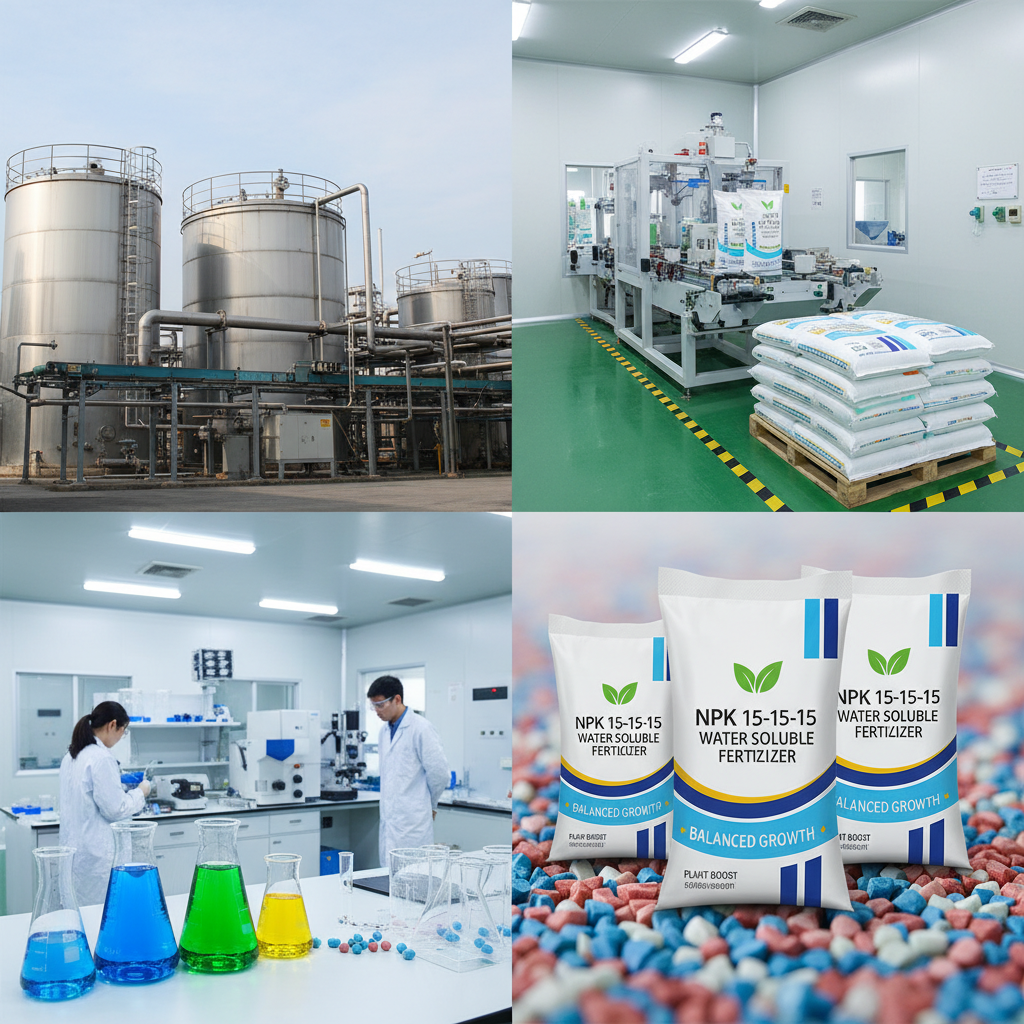
Look, I’ve spent the last twenty years breathing concrete dust and arguing with contractors. And let me tell you, when it comes to getting a reliable, consistent crop yield, you gotta start with the foundation – literally. That’s where a good, balanced fertilizer like npk 15 15 15 fertilizer comes in. It's not just about throwing something on the field and hoping for the best; it’s about giving the plant exactly what it needs, when it needs it, for sustained growth and a healthy harvest. We're talking about maximizing investment and minimizing headaches.
I've seen too many projects stall because they skimped on the right nutrients. It's like building a house on a shaky foundation. You can put all the fancy finishes you want on top, but if the base isn’t solid, it’s all coming down. npk 15 15 15 fertilizer offers a predictable baseline. I need predictability. Engineers need predictability. Growers need predictability. Too much of one thing, too little of another – that leads to uneven growth, wasted resources, and ultimately, a loss of profit.
I’ve watched the industry evolve, seen a lot of fancy formulations come and go. But npk 15 15 15 fertilizer remains a workhorse. It’s a dependable, versatile solution that consistently delivers results across a wide range of crops and soil types. It’s the kind of tool you can rely on, day in and day out, without having to constantly adjust or second-guess your approach. It’s a solid choice for anyone serious about their yield.
The Importance of NPK 15 15 15 Fertilizer in Modern Agriculture
I'll tell you what I see on sites every single day: the demand for food is increasing, and the land we have to grow it on isn't getting any bigger. That means we need to get more out of every acre, and that’s where something like npk 15 15 15 fertilizer becomes crucial. It’s not just about feeding people; it's about feeding a growing world efficiently and sustainably. It's about maximizing resources and reducing waste.
The global population is projected to reach nearly 10 billion by 2050 (UN data). That’s a lot of mouths to feed. We need to enhance crop yields, improve food quality, and minimize environmental impact. A balanced fertilizer like NPK 15 15 15 is a foundational element in achieving these goals. Without it, you're playing a losing game from the start. It's about applying science to the land.
Understanding the NPK Ratio: A Practical Breakdown
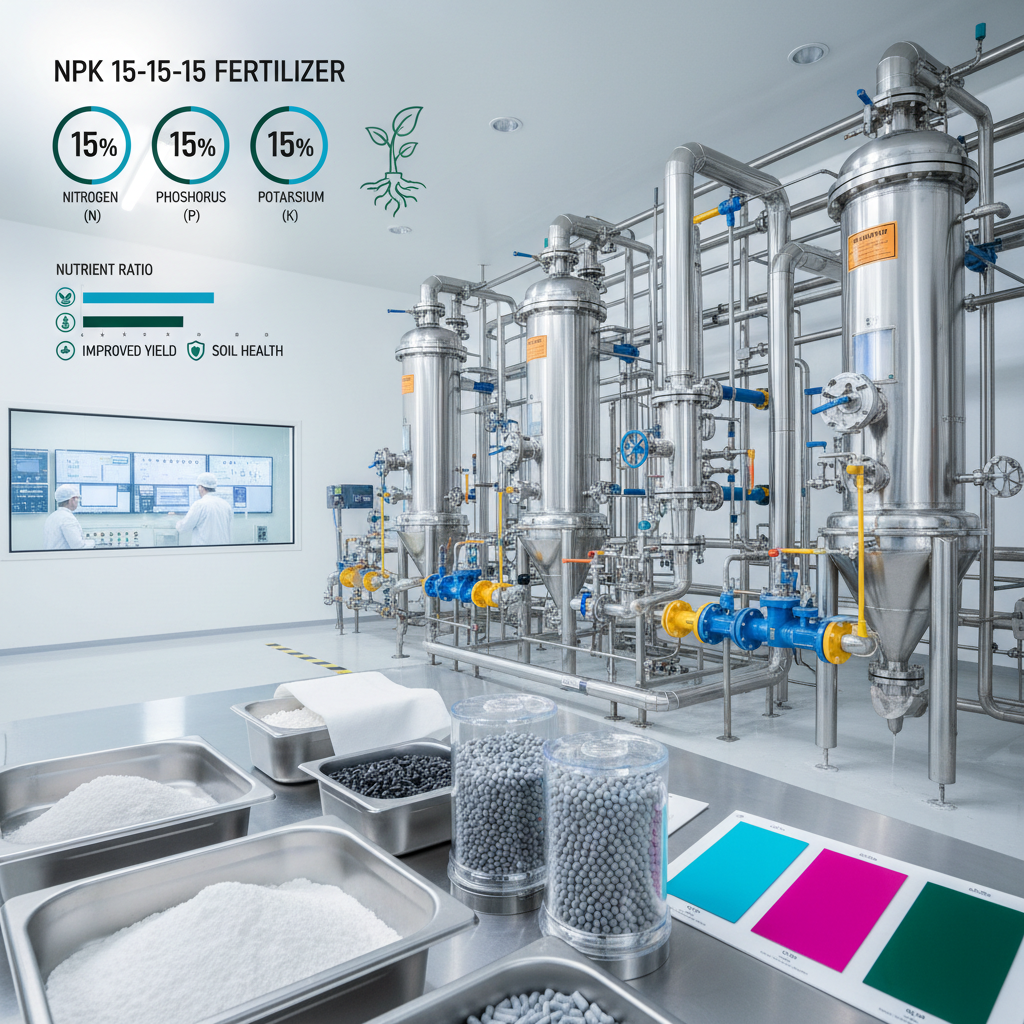
Okay, let’s get down to brass tacks. NPK stands for Nitrogen, Phosphorus, and Potassium. 15-15-15 means you've got 15% of each of those nutrients by weight. Nitrogen is the growth guy – it gets those leaves lush and green. Phosphorus is for roots, flowers, and fruit set. Potassium? That's for overall plant health, disease resistance, and stress tolerance. npk 15 15 15 fertilizer provides a balanced supply of all three, which is exactly what most crops need, especially in the early stages of growth.
Now, you can get fancy with customized blends, but 15-15-15 is your general-purpose, all-rounder. It’s a good starting point for most soils and crops. It's a reliable choice when you don't have the time or resources for extensive soil testing. It’s the equivalent of having a solid toolbox – you’ve got the basic tools you need to tackle most jobs.
I often see guys chasing specific deficiencies, adding this or that, but if the foundation isn't there, you're just patching holes. A balanced NPK approach is preventative – it keeps things running smoothly from the start and avoids costly problems down the line. It’s about proactively building a healthy plant, not reacting to issues.
Key Factors Influencing NPK 15 15 15 Fertilizer Effectiveness
Soil pH is HUGE. If your soil is too acidic or too alkaline, the plant can't absorb the nutrients properly, even if they're present in the fertilizer. You need to get a soil test and adjust the pH accordingly – lime for acidic soils, sulfur for alkaline soils. npk 15 15 15 fertilizer will only work if the plant can actually access those nutrients.
Moisture levels matter too. Too dry, and the nutrients can’t move to the roots. Too wet, and you risk leaching – washing away the fertilizer. Good irrigation practices are essential. I’ve seen too many fields washed out after a heavy rain, all that fertilizer just gone to waste. Proper water management is half the battle.
And don’t forget about organic matter. Compost, manure, cover crops – these improve soil structure, water retention, and nutrient availability. npk 15 15 15 fertilizer works with organic matter, it doesn’t replace it. It's about building a healthy soil ecosystem, not just feeding the plant.
Real-World Applications and Yield Improvements with NPK 15 15 15 Fertilizer
I’ve used npk 15 15 15 fertilizer on everything from corn and soybeans to tomatoes and peppers. In my experience, you're generally looking at a 10-20% yield increase compared to using no fertilizer at all. It varies depending on the crop, soil conditions, and growing practices, of course.
I was on a farm last year where they were switching from a low-analysis fertilizer to NPK 15 15 15, and the difference was noticeable. The corn stalks were thicker, the ears were bigger, and the overall crop was much more uniform. The farmer was thrilled. That’s the kind of tangible result I like to see.
NPK 15 15 15 Fertilizer Application Method Yield Comparison
Long-Term Benefits and Sustainability of Using NPK 15 15 15 Fertilizer
It's not just about this year’s harvest, it’s about the long-term health of the soil. Consistent use of a balanced fertilizer like npk 15 15 15 fertilizer, combined with good soil management practices, can improve soil structure, increase organic matter content, and enhance water retention. That means healthier soils, more resilient crops, and a more sustainable agricultural system.
Look, sustainability isn’t just a buzzword. It’s about being able to produce food year after year without degrading the land. And npk 15 15 15 fertilizer, when used responsibly, is a key part of that equation. It’s about investing in the future.
Emerging Trends and Innovations in NPK 15 15 15 Fertilizer Technology
We’re starting to see a lot of innovation in fertilizer technology. Controlled-release fertilizers are becoming more popular – they release nutrients slowly over time, reducing leaching and maximizing efficiency. There’s also a lot of research going into bio-fertilizers, which use microorganisms to enhance nutrient uptake.
Precision agriculture is another big trend. Using sensors and data analytics to apply fertilizer only where and when it’s needed. It’s about optimizing resource use and minimizing environmental impact. It's the future of farming.
Common Challenges and Solutions When Utilizing NPK 15 15 15 Fertilizer
Leaching is always a concern, especially in sandy soils. Proper irrigation management and the use of slow-release fertilizers can help mitigate that. Another challenge is nutrient runoff, which can pollute waterways. Implementing buffer strips and using conservation tillage practices can help reduce runoff.
Sometimes, you'll see nutrient lockup – where the nutrients are present in the soil but unavailable to the plant. That’s often a pH issue. Getting a soil test and adjusting the pH accordingly is the solution. It's about understanding the chemistry of the soil and addressing any imbalances.
Finally, over-fertilization is a common mistake. More isn't always better. Too much fertilizer can damage plants and pollute the environment. Always follow the recommended application rates. If you're unsure, err on the side of caution.
Summary of Challenges and Solutions for NPK 15 15 15 Fertilizer Application
| Challenge |
Affected Crop Stage |
Severity (1-10) |
Recommended Solution |
| Nutrient Leaching |
All Stages |
7 |
Slow-release fertilizer, improved irrigation |
| Nutrient Runoff |
Post-application |
6 |
Buffer strips, conservation tillage |
| Nutrient Lockup |
Early Growth |
8 |
Soil pH adjustment (lime or sulfur) |
| Over-Fertilization |
All Stages |
9 |
Precise application rates, soil testing |
| Uneven Distribution |
Germination/Seedling |
5 |
Calibration of application equipment |
| Soil Compaction |
Root Development |
4 |
Reduce heavy machinery traffic, improve soil structure |
FAQS
Generally, broadcasting before planting or banding along the rows at planting are good options. Side-dressing during the growing season can also be effective. The best method depends on the crop, soil type, and your equipment. The key is even distribution. Don't just dump it on and hope for the best. Calibrate your spreader and make sure you're covering the area consistently. Soil testing beforehand will help you determine the precise amount needed and avoid over-application.
It's a good general-purpose fertilizer, but it’s not a one-size-fits-all solution. Some plants have specific nutrient requirements. For example, blueberries need acidic soil and a different nutrient balance than tomatoes. Always research the specific needs of your plants before applying fertilizer. A soil test will give you a better understanding of what your soil is lacking.
Over-fertilization can burn the roots, damage the plants, and pollute the environment. It can also lead to nutrient imbalances in the soil. If you suspect you’ve over-fertilized, flush the soil with plenty of water. Prevention is key – always follow the recommended application rates and avoid applying fertilizer during hot, dry weather.
Like any fertilizer, it needs to be used responsibly. Excessive use can contribute to nutrient runoff and water pollution. Implementing best management practices, such as using slow-release fertilizers, controlling irrigation, and planting buffer strips, can minimize environmental impact. Look for fertilizers with enhanced efficiency technologies.
Soil pH plays a crucial role in nutrient availability. If the pH is too high or too low, the plant can’t absorb the nutrients properly, even if they're present in the fertilizer. Most plants prefer a slightly acidic pH (around 6.0-7.0). A soil test will tell you your pH level and whether you need to adjust it with lime or sulfur.
Absolutely! In fact, it’s a great combination. Organic matter improves soil structure, water retention, and nutrient availability, while NPK 15 15 15 provides a readily available source of essential nutrients. They complement each other. Think of organic matter as the long-term foundation and NPK as the quick boost.
Conclusion
So, there you have it. npk 15 15 15 fertilizer is a reliable, versatile, and effective tool for maximizing crop yields and ensuring sustainable agricultural practices. It’s not a magic bullet, but when used correctly – combined with good soil management and a solid understanding of plant nutrition – it can make a significant difference. It’s the workhorse of the fertilizer world for a reason.
Don’t underestimate the power of a balanced approach. Investing in the right nutrients, understanding your soil, and adopting sustainable practices will pay dividends in the long run. For quality npk 15 15 15 fertilizer and expert advice, visit our website at www.hhfertilizer.com.