Humic acid powder represents a significant advancement in soil health and plant nutrition, impacting global agriculture and environmental sustainability. Derived from naturally occurring organic matter – the decayed remains of plants and microorganisms – this potent substance offers a multitude of benefits, from enhancing nutrient uptake to improving soil structure. Its increasing adoption reflects a growing awareness of the limitations of synthetic fertilizers and the need for eco-friendly agricultural practices. The demand for humic acid powder is steadily rising as farmers and gardeners alike seek sustainable solutions to boost crop yields and reduce their environmental footprint.
The global market for humic substances, including humic acid powder, is experiencing robust growth, driven by factors such as increasing population, declining arable land, and the demand for higher crop yields. According to recent reports, the agricultural bio-stimulants market, where humic acids play a key role, is projected to reach billions of dollars in the coming years. This growth is particularly pronounced in regions facing challenges related to soil degradation and water scarcity, such as Asia-Pacific, Latin America, and Africa. Humic acid powder addresses a critical need for sustainable agriculture in a world facing increasing environmental pressures.
The importance of understanding humic acid powder extends beyond agriculture. Its applications span diverse fields including environmental remediation, wastewater treatment, and even animal nutrition. The unique molecular structure of humic acids allows them to complex with pollutants, making them valuable tools for cleaning up contaminated soils and water sources. Furthermore, its role in enhancing plant resilience to stress factors like drought and salinity makes it increasingly relevant in the face of climate change.
The Foundation of Humic Acid Powder
Humic acid powder originates from humified organic matter, the end result of decomposition processes carried out by microorganisms. This natural process transforms plant and animal residues into a stable, complex substance rich in beneficial compounds. The quality of the source material and the humification conditions significantly influence the properties of the final humic acid powder product. This underlines the importance of responsible sourcing and quality control in the production process. Humic acid powder stands out due to its complex molecular structure and its inherent ability to enhance plant growth.
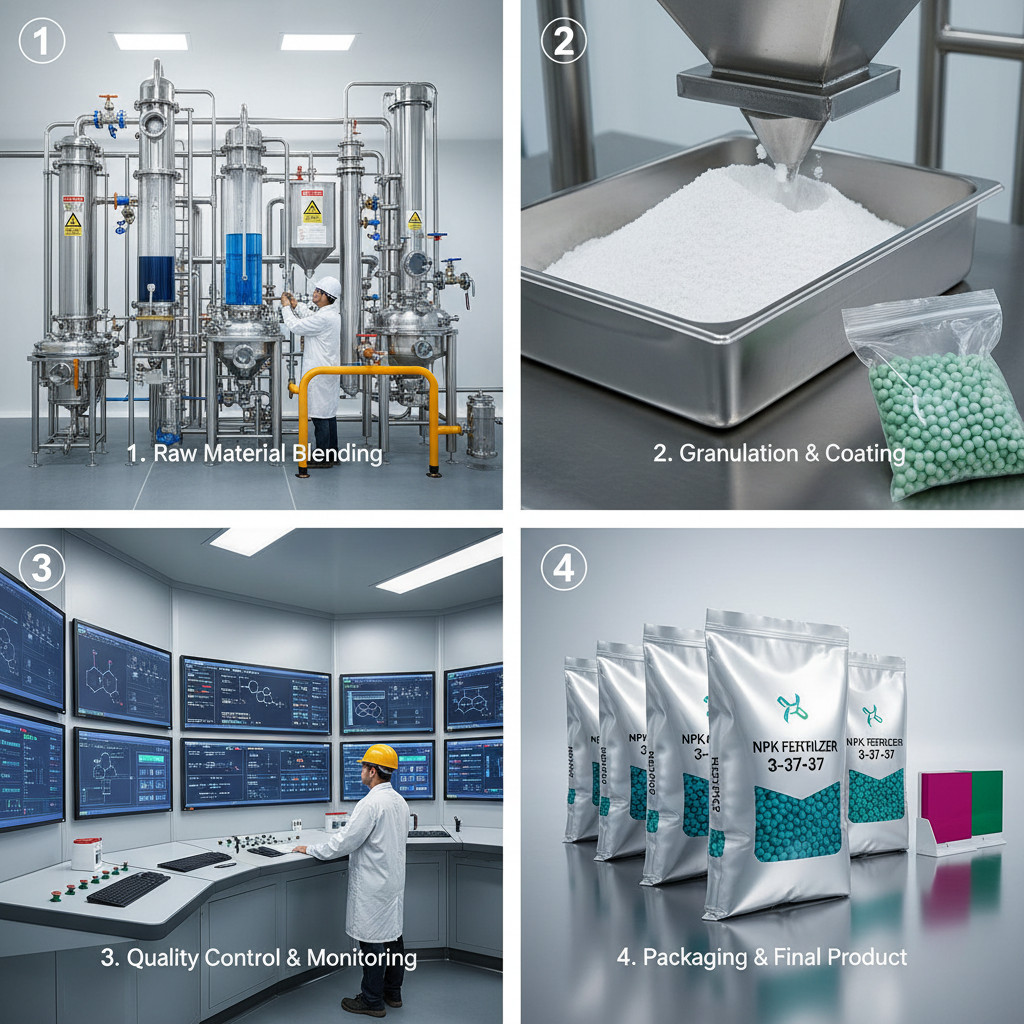
The extraction and purification of humic acids from leonardite – a highly oxidized form of lignite – are the most common methods employed in commercial production. This process involves several steps, including extraction with alkaline solutions, acidification, and precipitation. Careful control over these steps is crucial to maintain the integrity and efficacy of the humic acids. Different extraction techniques yield humic acid powders with varying molecular weights and compositions, affecting their performance in different applications.
Global Relevance and Industry Context
The global demand for sustainable agricultural practices is rapidly increasing, driven by concerns about environmental degradation, food security, and climate change. Humic acid powder provides a natural and effective solution to address these challenges, offering a viable alternative to synthetic fertilizers and pesticides. The agricultural industry is undergoing a paradigm shift towards regenerative farming practices, and humic acid powder is becoming an increasingly integral component of these systems.
The United Nations Sustainable Development Goals (SDGs), particularly those related to sustainable agriculture (SDG 2) and responsible consumption and production (SDG 12), underscore the importance of adopting eco-friendly agricultural solutions. Humic acid powder aligns perfectly with these goals by improving soil health, reducing fertilizer runoff, and promoting sustainable crop production. Furthermore, the growing consumer demand for organically produced foods is further driving the adoption of humic acid powder in organic farming systems.
The impact of soil degradation on global food production is a significant concern, with an estimated 33% of the world's soils already degraded. Humic acid powder plays a vital role in restoring soil health by improving soil structure, increasing water retention, and enhancing nutrient availability. By promoting healthy soil ecosystems, humic acid powder contributes to long-term food security and environmental sustainability.
Defining Humic Acid Powder
Humic acid powder is a concentrated source of humic substances derived from organic matter. Unlike chemically synthesized fertilizers, it is a natural product that provides a complex array of benefits to plants and soil. The term “humic substances” encompasses humic acids, fulvic acids, and humin, each with unique properties and functions. Humic acid powder is typically characterized by its high molecular weight and its ability to form stable complexes with metal ions.
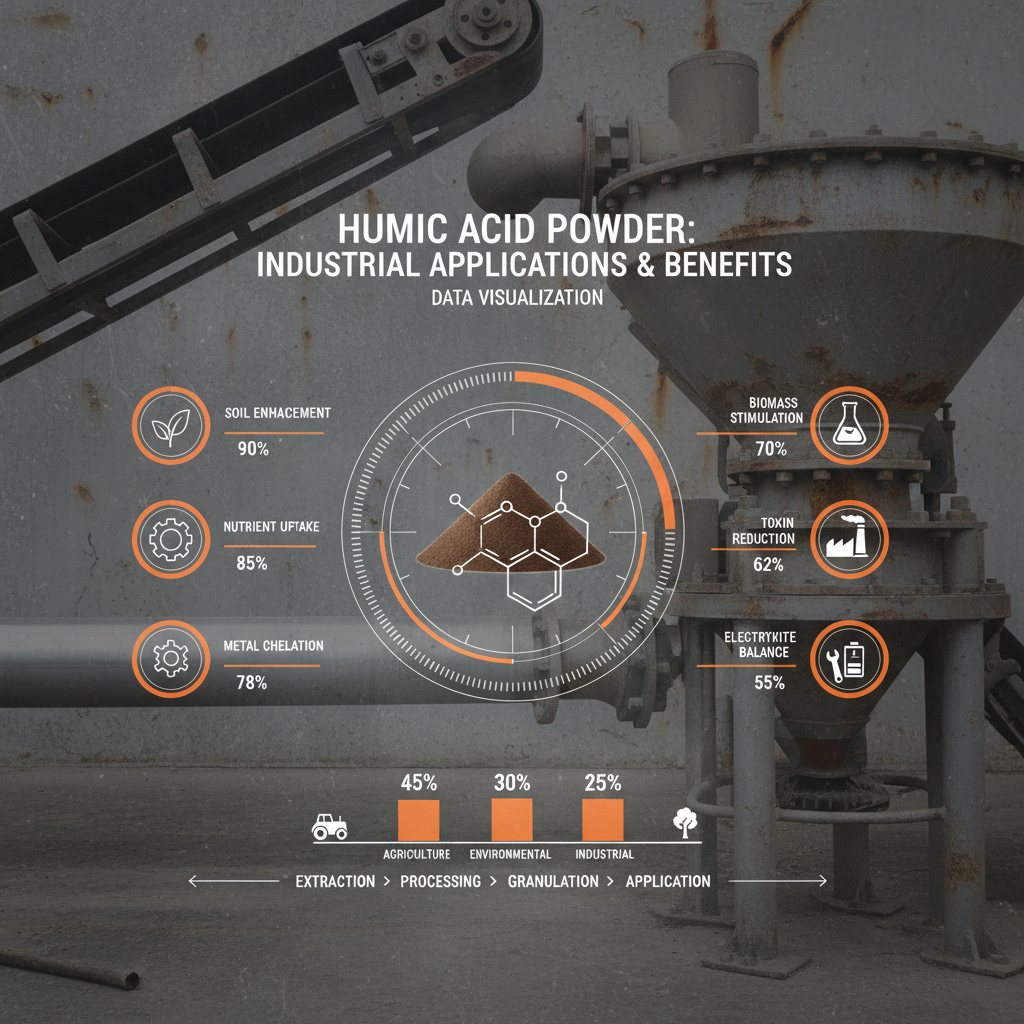
The connection to modern industry and humanitarian needs is profound. In agriculture, it boosts crop yields, enhances nutrient absorption, and improves soil health. In environmental applications, it's used to remediate contaminated soils and treat wastewater. Humanitarian organizations are increasingly utilizing it in regions with depleted soils to help improve food security. The versatility of humic acid powder makes it a vital resource in a world facing increasing environmental challenges and a growing population.
The unique molecular structure of humic acids, with its numerous functional groups, allows them to interact with both organic and inorganic components in the soil. This interaction leads to the formation of stable complexes that improve nutrient availability, enhance soil structure, and promote microbial activity. In essence, humic acid powder acts as a natural soil conditioner and bio-stimulant, enhancing plant growth and resilience.
Key Components and Characteristics
One critical characteristic of humic acid powder is its molecular weight. Higher molecular weight humic acids tend to have a greater impact on soil structure, while lower molecular weight humic acids are more readily absorbed by plants. The ratio of humic acids to fulvic acids also plays a significant role in its effectiveness. Humic acid powder with a balanced ratio of both components offers a wider range of benefits.
Secondly, the cation exchange capacity (CEC) is a crucial indicator of the quality of humic acid powder. A higher CEC indicates a greater ability to retain essential nutrients, making them available to plants over a longer period. This is particularly important in sandy soils with low inherent CEC. The presence of functional groups such as carboxyl and phenolic groups contributes to the high CEC of humic acids.
Humic Acid Powder Effectiveness by Extraction Method
Applications Across the Globe
In North America, humic acid powder is widely used in agriculture to improve crop yields and enhance soil health, particularly in large-scale farming operations. Across Europe, it's gaining traction in organic farming and horticulture as a sustainable alternative to synthetic inputs. The adoption rates are particularly high in countries with stringent environmental regulations.
Within Asia-Pacific, China and India are experiencing significant growth in the demand for humic acid powder, driven by the need to address soil degradation and improve agricultural productivity. In Africa, it is being utilized in post-disaster relief operations to restore degraded lands and support food security initiatives. Organizations are also working with local farmers to implement sustainable agricultural practices utilizing humic acid powder.
Advantages and Long-Term Value
The economic advantages of using humic acid powder are substantial. By improving nutrient uptake and reducing the need for synthetic fertilizers, it lowers input costs for farmers. Furthermore, the enhanced plant resilience to stress factors reduces crop losses and increases overall yields. This leads to improved profitability and long-term sustainability. The reduced reliance on chemical fertilizers also translates to lower environmental costs.
Beyond economic benefits, the use of humic acid powder promotes environmental sustainability by reducing soil erosion, improving water retention, and minimizing pollution. This contributes to a healthier ecosystem and a more sustainable food production system. From a social perspective, promoting healthy soils and food security enhances community well-being and reduces reliance on external inputs.
Future Trends and Innovations
Ongoing research is focused on developing novel extraction techniques to enhance the quality and purity of humic acid powder. Innovations in nanotechnology are exploring the potential of nano-humic acid particles for targeted nutrient delivery and improved plant uptake. These advancements promise to further enhance the effectiveness and versatility of this valuable resource.
The integration of humic acid powder with digital farming technologies, such as precision agriculture and sensor-based monitoring, is also gaining momentum. This allows for tailored application rates based on specific soil conditions and plant needs, maximizing efficiency and minimizing waste. The future of sustainable agriculture is increasingly reliant on the combination of innovative technologies and natural resources like humic acid powder.
The rise of the circular economy is driving interest in utilizing organic waste streams as a source of humic substances. This not only reduces waste but also creates a sustainable and cost-effective supply of humic acid powder.
Challenges and Solutions
One of the primary challenges associated with humic acid powder is ensuring consistent quality and standardization. Variations in source material and extraction processes can lead to products with differing properties and effectiveness. Establishing clear quality control standards and certification programs is crucial to address this issue.
Another challenge is the limited awareness and understanding of the benefits of humic acid powder among farmers and agricultural professionals. Education and outreach programs are needed to disseminate information and promote the adoption of sustainable agricultural practices. Collaborative efforts between researchers, industry stakeholders, and government agencies are essential to overcome this knowledge gap.
Table Summarizing Solutions to Common Humic Acid Powder Challenges
| Challenge |
Solution |
Implementation Cost (1-10) |
Potential Impact (1-10) |
| Inconsistent Product Quality |
Implement Standardized Testing Procedures |
6 |
9 |
| Limited Farmer Awareness |
Conduct Educational Workshops |
4 |
8 |
| High Production Costs |
Optimize Extraction Processes |
7 |
7 |
| Lack of Regulatory Framework |
Develop Industry Standards |
8 |
8 |
| Supply Chain Disruptions |
Diversify Sourcing Locations |
5 |
6 |
| Limited Long-Term Data |
Invest in Longitudinal Studies |
9 |
9 |
FAQS
Humic acid powder is a concentrated form of humified organic matter extracted from sources like leonardite, while compost is a broader mixture of decaying organic materials. Humic acid powder contains a higher concentration of humic substances with complex molecular structures, resulting in a more potent impact on soil health and plant growth compared to the more generalized benefits of compost. Humic acid powder is focused on specific bio-stimulant activity, whereas compost is a more general soil amendment.
Generally, yes! Humic acid powder is remarkably versatile and beneficial for a wide range of plants and soil types. However, application rates may vary depending on the plant species, soil condition, and specific product formulation. It's always recommended to follow the manufacturer's instructions and conduct a small-scale test before applying to the entire crop. While it's highly effective, it's not a substitute for balanced fertilization.
Visible results can vary depending on the plant and soil conditions, but improvements are often noticeable within a few weeks. Initial benefits may include enhanced root growth and increased nutrient uptake. Over time, you should observe healthier, more vigorous plants with increased yields. The effects are cumulative, meaning consistent application leads to progressively improved soil health and plant performance.
Yes, humic acid powder is considered environmentally friendly and generally safe for use. It's a natural product derived from organic matter and does not contain harmful synthetic chemicals. It helps reduce reliance on synthetic fertilizers, minimizing pollution and promoting soil health. However, it’s always wise to follow recommended application rates and handle the product with care, avoiding inhalation of dust.
The application method depends on the desired outcome. Foliar sprays provide rapid nutrient uptake, while soil drenches improve soil health and nutrient availability. Seed treatment can enhance germination and early seedling growth. Combining multiple methods often yields the best results. For established plants, a soil drench is generally recommended. Humic acid powder can be applied alone or mixed with other fertilizers or bio-stimulants.
Store humic acid powder in a cool, dry, and dark place, away from direct sunlight and moisture. Keep the container tightly sealed to prevent the absorption of moisture and maintain its chemical integrity. Properly stored, humic acid powder can retain its potency for several years. Avoid storing it near strong oxidizing agents or chemicals.
Conclusion
In conclusion, humic acid powder represents a powerful and versatile tool for enhancing soil health, improving crop yields, and promoting sustainable agriculture. Its unique properties, derived from naturally occurring organic matter, offer a multitude of benefits, ranging from improved nutrient uptake to enhanced plant resilience. From addressing global food security challenges to remediating contaminated environments, humic acid powder plays an increasingly important role in creating a more sustainable and resilient future.
Looking ahead, continued research and innovation are essential to unlock the full potential of humic acid powder. Further exploration of its interactions with soil microorganisms and plant physiology will pave the way for more targeted and effective applications. By embracing this natural resource and integrating it into sustainable agricultural practices, we can build a healthier planet and a more secure food supply for generations to come.
Visit our website: www.hhfertilizer.com