Look, after running around construction sites all year, you start to see patterns. Lately, everyone's obsessed with prefabrication, right? Modular stuff, everything shipped in ready to assemble. Sounds great on paper, less mess, faster build times… but honestly, it’s not always that simple. I was at a site in Shanghai last month, and half the pre-fab panels were the wrong size. Turns out the drawings weren’t updated after a slight design change. You wouldn’t believe the shouting.
And it's not just pre-fab. Everyone wants ‘smart’ materials, self-healing concrete, things like that. They're always chasing the next big thing. Which is fine, I guess, but remember the basics. A solid foundation, good drainage… those things still matter more than any fancy additive. Have you noticed how quickly these innovations come and go?
The real headache, though, is detail design. Seems simple, but it’s where everything falls apart. Take cable management, for example. Everyone sketches out these neat little diagrams, but then you get on-site, and it's a rat's nest of wires. Or the connection points – seemingly minor things, but if they're not robust, you're looking at constant maintenance.
The Current Landscape of ammonium sulfate
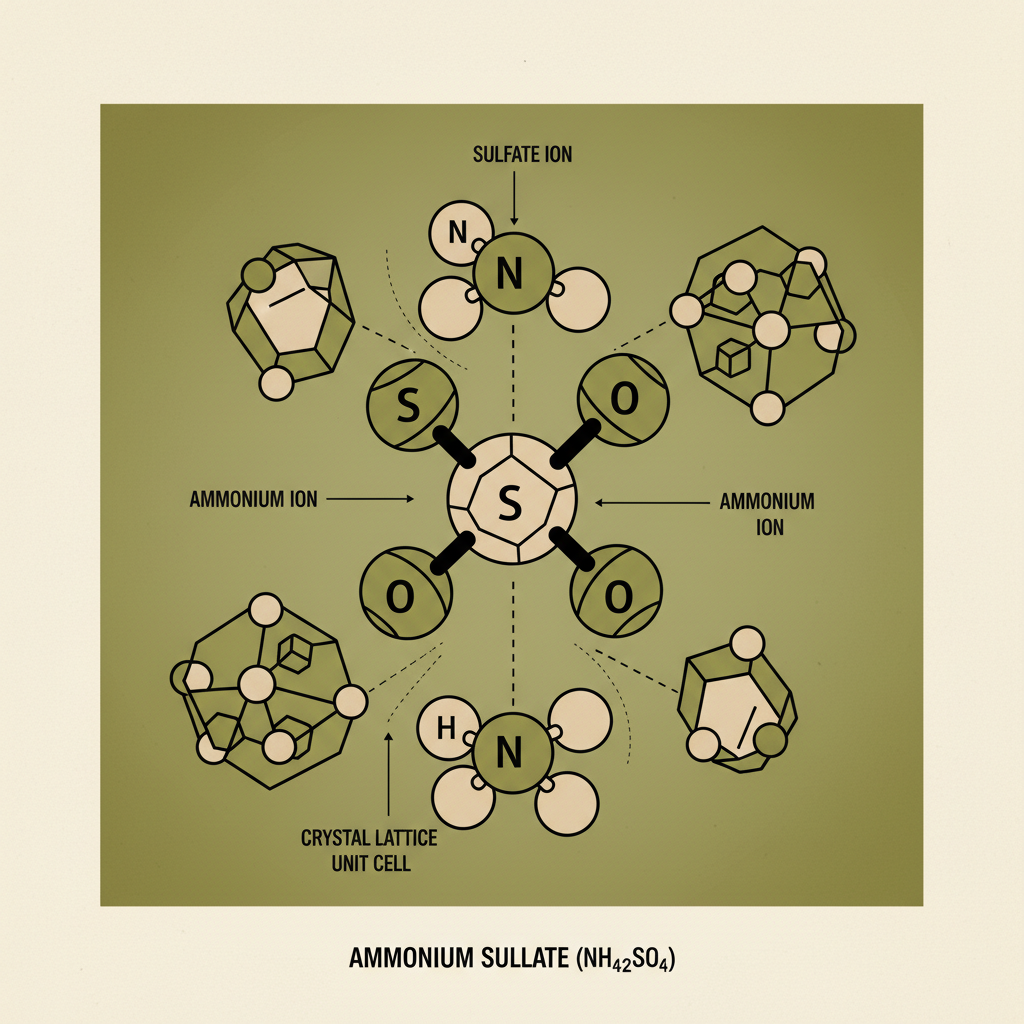
Honestly, ammonium sulfate is everywhere, and it’s always been around. But the way they’re using it is changing. Used to be, it was all about basic fertilizer, right? Straightforward. Now, it's going into everything – water treatment, flame retardants, even some specialty chemicals. Strangely, a lot of the demand is coming from unexpected places, like the electronics industry. They use it in etching processes, apparently.
I encountered a guy at a chemical factory in Jiangsu province last time, he was complaining that the quality control on the raw material coming from Southeast Asia was dropping. You get what you pay for, I guess. He said the impurities were messing with their whole process. Anyway, demand is up, prices are fluctuating… the usual chaos.
Design Pitfalls and Common Mistakes in ammonium sulfate
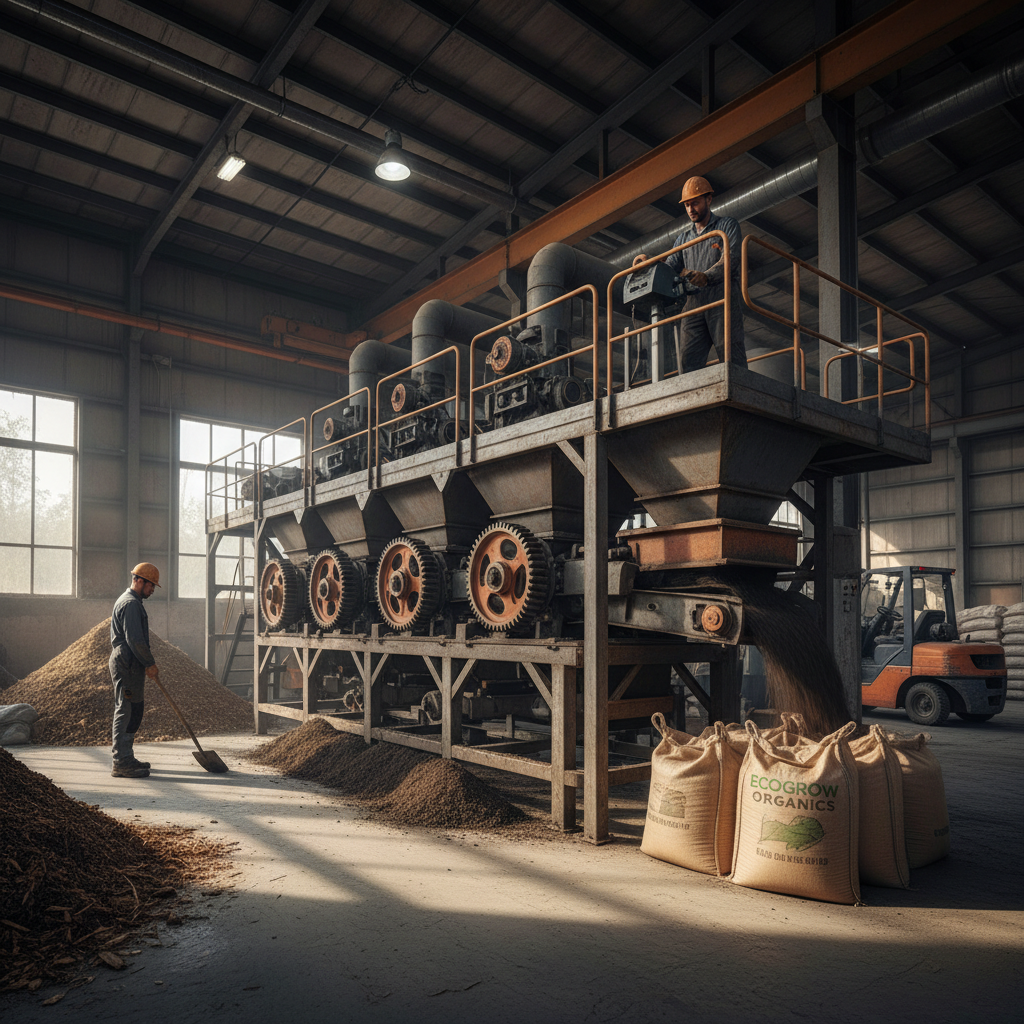
People underestimate how corrosive ammonium sulfate can be. Especially in humid environments. I've seen storage facilities where the bags just… disintegrated. And then you've got the whole issue of caking. If it gets damp, it turns into a solid block. Makes it impossible to handle. The design of storage systems needs to account for this – proper ventilation, raised floors, and, crucially, proper bag material.
Another mistake? Not considering the dust. Ammonium sulfate dust is irritating stuff, especially to the lungs. Ventilation is critical, and you need workers wearing the right PPE. I saw a crew in Guangdong working without masks… it wasn’t pretty.
And this might sound obvious, but people forget about compatibility. Mixing ammonium sulfate with certain metals can cause corrosion. You have to carefully select materials for tanks, pipes, and fittings.
Material Composition and Handling of ammonium sulfate
The stuff itself… it’s a white, crystalline powder. Smells a bit like… well, fertilizer, I guess. Doesn't have a strong odor, thankfully. It feels slightly gritty, a little slippery when it gets damp. You definitely don't want to get it on your skin for too long, it can cause irritation. The granular form is easier to handle, less dust.
I remember one time, a shipment came in looking slightly off-color. Turns out it had been contaminated with iron sulfate. The whole batch had to be rejected. That was a nightmare. You have to be meticulous about checking the analysis certificates. Knowing the exact composition, the purity level… it’s critical.
Handling it, you want to avoid creating dust. Use enclosed transfer systems if possible. And for storage, keep it in a cool, dry place, away from direct sunlight. Simple stuff, really, but people often overlook it.
Real-World Testing and Performance of ammonium sulfate
Lab tests are fine, but they don’t tell the whole story. You need to see how it performs in real-world conditions. We did a test at a wastewater treatment plant a while back, comparing different ammonium sulfate grades. We monitored the pH levels, the settling rates, the overall effectiveness. That gave us a much better understanding of which product actually worked.
Then there’s the field test, you just apply it to the application and let it work. I worked on a project in a large agricultural farm in Hebei province. They used ammonium sulfate to improve crop yield, we monitored and recorded the growth metrics and yield after application.
Ammonium Sulfate Performance Comparison
User Application and Practical Insights of ammonium sulfate
What people say they're going to do with it and what they actually do are often two different things. A lot of farmers, for instance, will over-apply ammonium sulfate, thinking more is better. It's not. It can damage the soil and reduce yields. You have to educate them, show them the optimal dosage.
I found that a lot of chemical plants don't bother with proper safety training for handling, they just tell the workers to be careful. Which is... not a strategy.
Advantages and Disadvantages of ammonium sulfate
The big advantage, obviously, is it's cheap. Relatively speaking. It's a cost-effective source of nitrogen. And it’s readily available. But it has downsides. It acidifies the soil, which can be a problem long-term. And it doesn't contain any phosphorus or potassium, so you need to supplement with other fertilizers. It’s a trade-off.
Another disadvantage is that it's not as easily absorbed by plants as some other nitrogen sources. You lose some efficiency that way. But for many applications, the cost savings outweigh those drawbacks.
Customization and Future Trends of ammonium sulfate
Customization is limited, to be honest. It's ammonium sulfate. You can get different particle sizes, different grades of purity. I had a small boss in Shenzhen last month who makes smart home devices. He insisted on changing the interface to , saying it was 'more modern'. Turns out the supply chain couldn't handle it, and he had to switch back to the older connector. He wasted a ton of money.
Anyway, I think we’ll see more research into slow-release ammonium sulfate formulations. That would address some of the issues with soil acidification and nutrient loss. And there's a lot of interest in using ammonium sulfate as a feedstock for producing other chemicals.
The big trend, though, is sustainability. Everyone’s looking for ways to reduce the environmental impact of fertilizer production. That means finding more efficient production methods and reducing emissions.
Overview of Ammonium Sulfate Application Scenarios
| Application Area |
Key Benefits |
Potential Drawbacks |
Optimization Strategies |
| Agriculture (Rice Farming) |
Cost-effective nitrogen source |
Soil acidification, limited nutrient profile |
Combine with potassium and phosphorus fertilizers |
| Wastewater Treatment |
Effective for nutrient removal |
Corrosion risk, potential for dust |
Use corrosion-resistant materials, implement dust control measures |
| Industrial Chemicals Production |
Versatile raw material |
Purity requirements, supply chain disruptions |
Establish reliable sourcing, implement quality control |
| Flame Retardants |
Cost-effective fire retardant |
Potential for corrosion, limited effectiveness |
Combine with other flame retardants for improved performance |
| Water Treatment (pH Control) |
Effective pH adjustment |
Can lead to excessive acidity |
Careful monitoring and dosage control |
| Textile Industry (Dyeing) |
Improves dye uptake |
Potential for water pollution |
Implement wastewater treatment processes |
FAQS
Long-term use can lead to soil acidification, reducing nutrient availability and potentially harming plant growth. It also lacks phosphorus and potassium, so supplementing with other fertilizers is crucial. Monitoring soil pH and nutrient levels regularly is essential, alongside adopting practices like liming to counter acidification. You'll also want to consider crop rotation to help balance soil health.
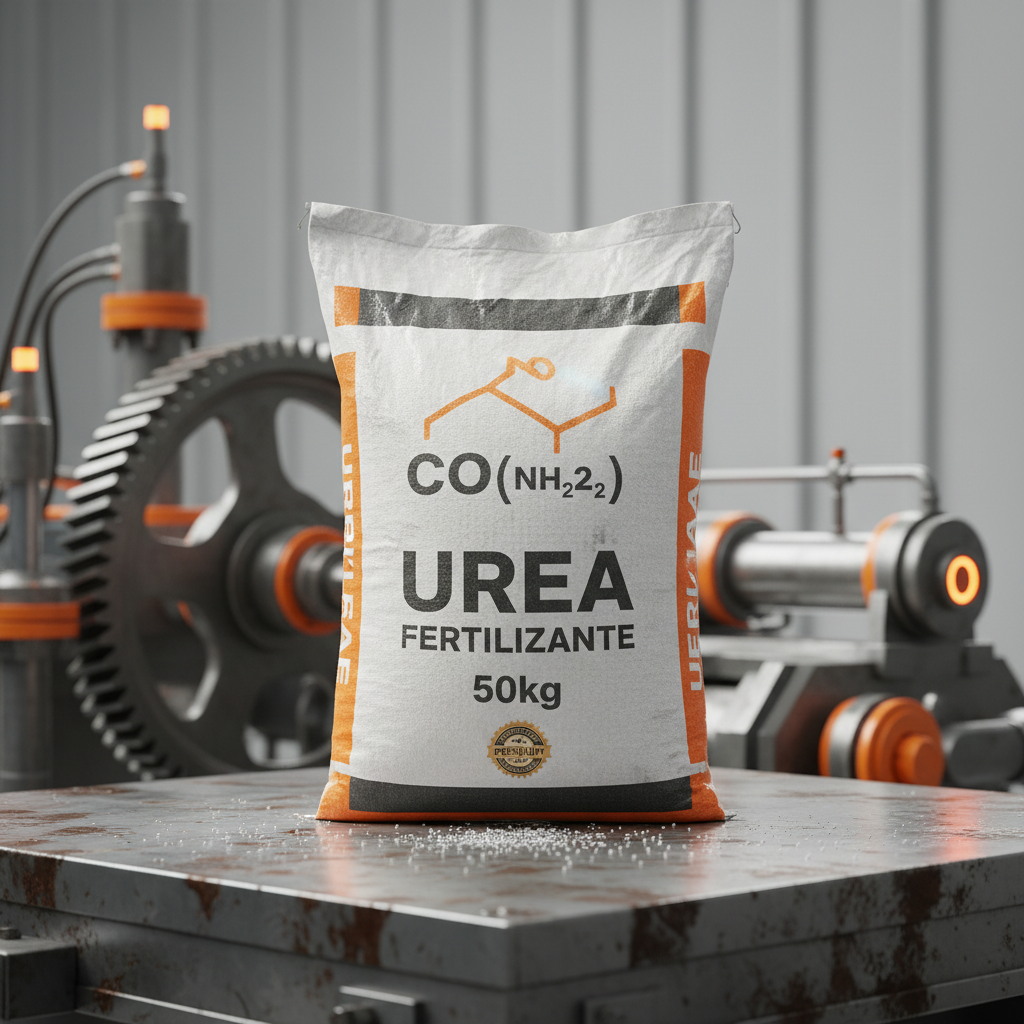
Ammonium sulfate is generally cheaper upfront, but urea has a higher nitrogen content, meaning you need less per application. However, urea is prone to nitrogen loss through volatilization, which can be an environmental concern. Ammonium sulfate provides a more stable nitrogen source. From an environmental standpoint, both have impacts – sulfate can contribute to water acidification, while urea emissions contribute to greenhouse gases. It depends on your specific priorities and application methods.
Dust inhalation is a major concern – always use respirators and ensure proper ventilation. Skin contact can cause irritation, so wear gloves and protective clothing. Ammonium sulfate can corrode certain metals, so select appropriate materials for storage and handling equipment. Always refer to the Safety Data Sheet (SDS) for detailed safety information. It’s basic stuff, but people still skip it.
Yes, but it requires careful management. Ammonium sulfate provides nitrogen and sulfur, essential nutrients for hydroponics. However, it lowers the pH of the nutrient solution, so you’ll need to monitor and adjust the pH regularly using other buffering agents. It’s not as straightforward as using dedicated hydroponic nutrient mixes, but it can be a viable option, especially if cost is a major concern.
Caking occurs when ammonium sulfate absorbs moisture. Common causes include high humidity, improper storage, and poor bag material. Prevention involves storing the material in a cool, dry, well-ventilated area, using moisture-proof packaging, and avoiding stacking bags too high. Adding anti-caking agents can also help, but you need to choose a compatible additive.
Smaller particle sizes dissolve more quickly, which is beneficial for applications like foliar spraying or hydroponics. Larger granules are better for dry blending with other fertilizers or for slow-release applications. The ideal particle size depends on the specific application. Dustiness is also a factor – finer particles create more dust, which can be a safety and handling issue.
Conclusion
So, that’s ammonium sulfate in a nutshell. It’s a versatile, cost-effective chemical with a lot of applications, but it’s not without its drawbacks. Understanding the material’s properties, handling requirements, and potential environmental impacts is critical for successful implementation. It’s a workhorse, honestly, but you need to treat it with respect.
Ultimately, whether this thing works or not, the worker will know the moment he tightens the screw. All the fancy testing and certifications in the world don’t matter if it doesn’t perform in the real world. And that's what I've learned after all these years on the sites.