To be honest, lately everyone's talking about miniaturization, integration, and "smart" everything. But out on the sites, you quickly realize a lot of that doesn't translate. Fancy algorithms are great, but if the housing cracks when you drop it, all that processing power is wasted. I’ve been seeing more and more emphasis on robustness, not just bells and whistles. It's a cycle, really. Everyone wants the next big thing, then they remember things need to work in the real world.
Have you noticed how engineers love to over-engineer things? Seriously, I encountered this at a factory in Dongguan last time, they had a bracket designed with tolerances so tight, it was almost impossible to manufacture consistently. And for what? A 0.1mm improvement in performance? Anyway, I think simple is usually better, especially when you're dealing with large-scale production. Complexity just adds points of failure.
We're talking about monopotassium phosphate, of course. It’s a deceptively simple chemical, but getting it right…that’s where things get interesting.
The Current Landscape of Monopotassium Phosphate
The demand for high-purity monopotassium phosphate is really climbing, driven primarily by the soluble fertilizer market, but also seeing boosts in food processing and even specialized industrial applications. Strangely, I've noticed a lot of smaller producers cutting corners on quality control. It’s easy to shave a few dollars off the price by using lower-grade raw materials, but that translates to inconsistent product performance, and ultimately, unhappy customers.
You see a lot of talk about sustainable agriculture, right? Well, efficient nutrient delivery, which monopotassium phosphate allows, is a big part of that. It means you need less fertilizer overall, reducing runoff and environmental impact. But it's not just about being "green". Farmers need to maximize yields, and this stuff helps them do that.
Defining Monopotassium Phosphate: Beyond the Formula
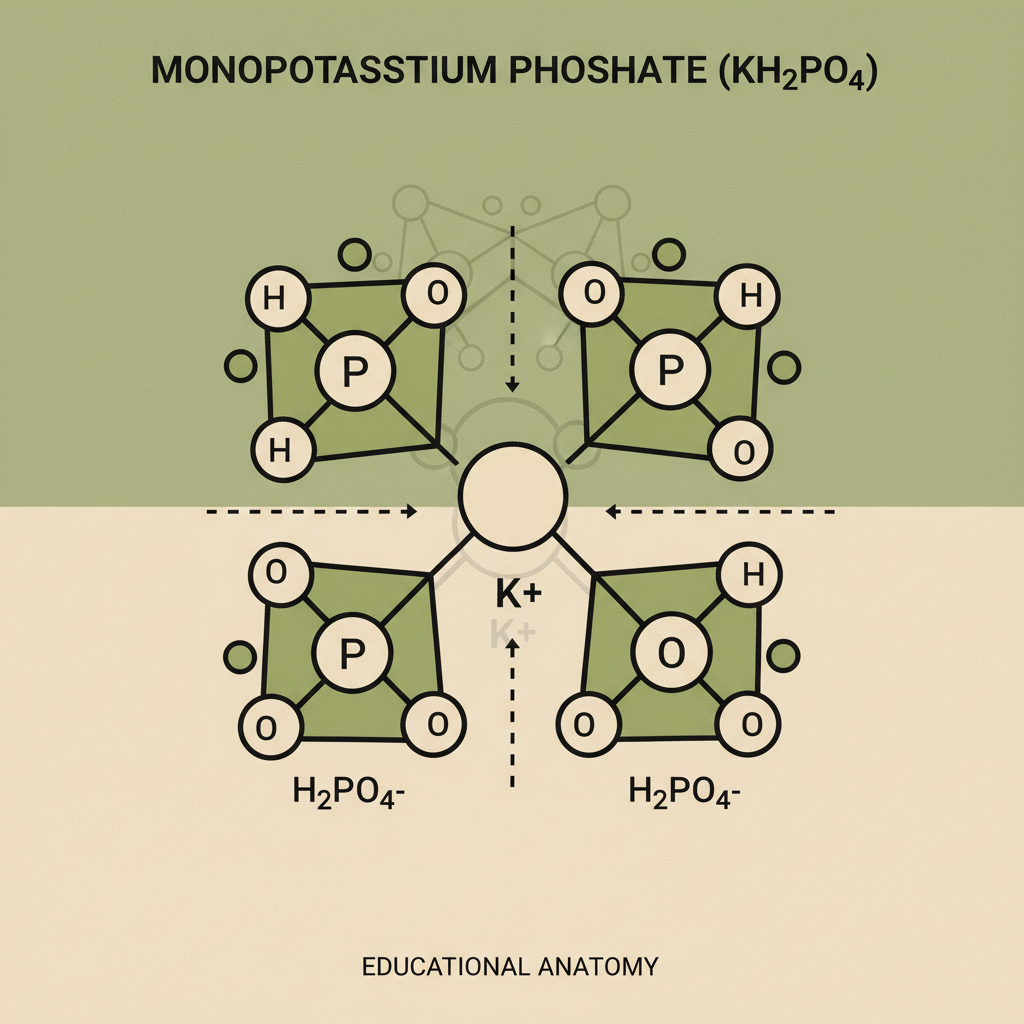
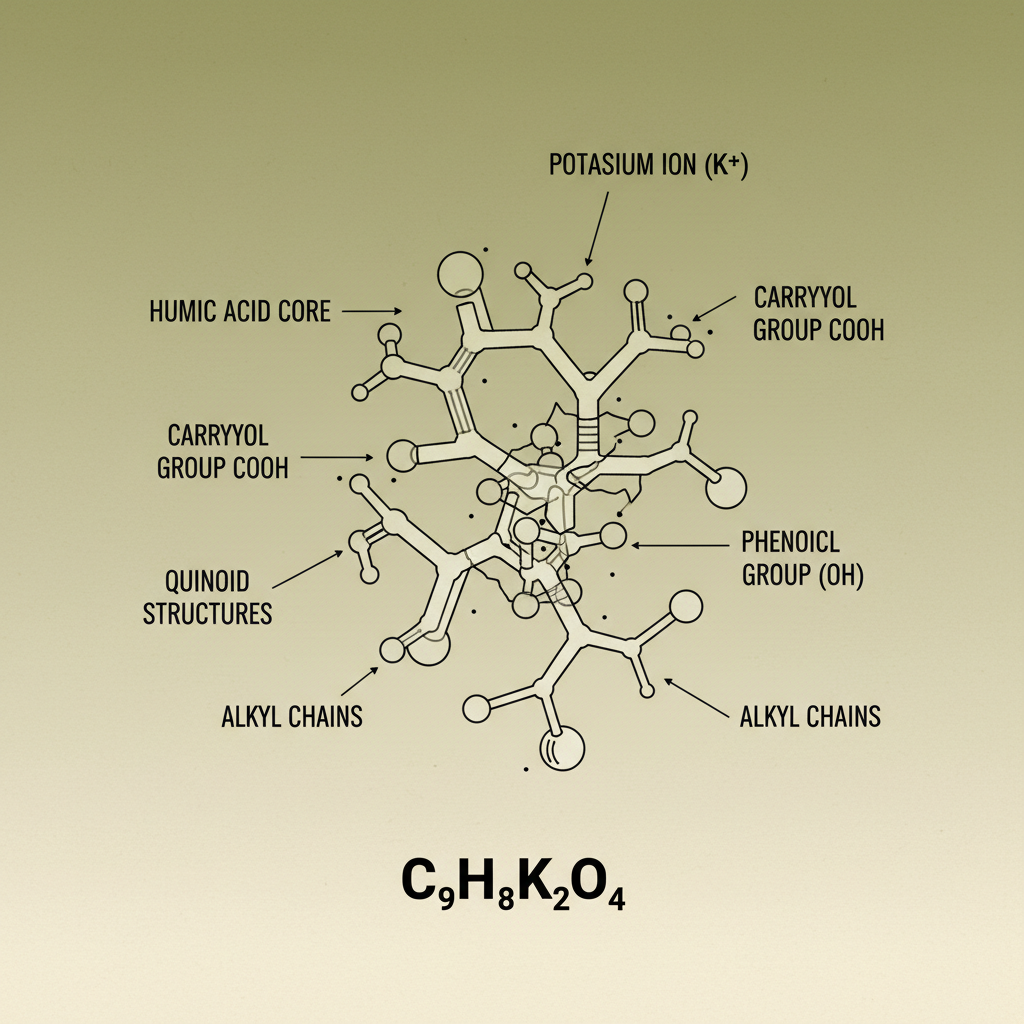
Okay, so what is monopotassium phosphate? It’s KH₂PO₄, of course, but that doesn’t tell you much about what it actually does. It's a water-soluble salt, providing both potassium and phosphorus – two essential nutrients for plant growth. It’s not just about fertilizing, though. It’s used as a buffering agent in food processing, a component in fire extinguishers, even in some pharmaceutical applications. It’s surprisingly versatile.
The connection to modern industry? Well, with global food security being a major concern, anything that improves crop yields is critical. And for more specialized applications, the high purity levels available now allow for precise control in industrial processes. It’s a foundational chemical with far-reaching impact.
Honestly, it's the kind of thing that doesn't grab headlines, but it's absolutely essential. Like the bolts holding the bridge together, nobody notices it until it fails.
Key Aspects of Effective Monopotassium Phosphate Implementation
Purity is paramount. Lower-grade material contains impurities that can clog irrigation systems or react negatively with other chemicals. I’ve seen cases where even a small amount of heavy metal contamination ruined an entire batch of nutrient solution.
Solubility is another big one. It needs to dissolve quickly and completely in water, otherwise, you're just wasting fertilizer. This ties back to particle size and the manufacturing process. You can tell a good batch just by how easily it dissolves in a bucket of water - should be crystal clear.
Storage stability matters, too. It needs to be able to withstand temperature fluctuations and humidity without caking or degrading. We had a client in Thailand, really hot and humid climate, and they were struggling with caking issues until we recommended a specific packaging material.
Consistent particle size is vital for uniform distribution. If the particles are too large or uneven, you get patchy fertilizer application. And don’t even get me started on dust – that stuff is a nightmare for workers and equipment.
Handling safety is often overlooked. While not particularly hazardous, it can be irritating to the skin and eyes. Proper PPE – gloves, goggles – are always recommended. It’s the small things that prevent big problems.
Practical Applications Across Industries
Agriculture, obviously. But it's not just large-scale farming. Greenhouses, hydroponics, even home gardeners are using it. It’s particularly effective for flowering plants, boosting bloom size and color.
Food processing uses it as a buffering agent and stabilizer in various products like baked goods and dairy. It helps maintain pH levels and prevent discoloration.
Fire extinguishers – weirdly enough – utilize it as a flame retardant. And specialized industrial applications include metal surface treatment and even some electronics manufacturing. It's a surprisingly versatile material.
Monopotassium Phosphate Application Breakdown
The Long-Term Value Proposition of Monopotassium Phosphate
Lower long-term costs. Yes, the initial investment might be slightly higher than some cheaper alternatives, but the increased efficiency and reduced waste pay off in the long run. Especially for large-scale operations.
Improved sustainability. By maximizing nutrient uptake, you minimize runoff and reduce the environmental impact of fertilizer use. That's a big selling point these days.
Emerging Trends and Innovations in Monopotassium Phosphate
We're seeing more research into controlled-release formulations, where the monopotassium phosphate is encapsulated in a polymer matrix, releasing nutrients slowly over time. This further reduces waste and improves efficiency.
There’s also a push for “bio-based” monopotassium phosphate, produced from renewable resources instead of traditional mining. It's still early days, but it could be a game-changer in terms of sustainability.
And strangely enough, there’s interest in using it in 3D printing, as a binder for certain materials. I don’t fully understand that one yet, honestly.
Challenges and Solutions in Monopotassium Phosphate Usage
Caking during storage is still a persistent problem, especially in humid climates. Proper packaging and storage conditions are essential. We recommend using sealed bags with desiccant packs.
Contamination is another concern. It's important to source from reputable suppliers who have strict quality control procedures. And regular testing is crucial.
Misapplication. Too much or too little can both be detrimental. Proper training and education for end-users are essential.
Summary of Monopotassium Phosphate Usage Challenges & Solutions
| Challenge |
Impact Area |
Severity (1-10) |
Proposed Solution |
| Caking during storage |
Product Quality |
7 |
Sealed packaging with desiccant |
| Raw Material Contamination |
Product Effectiveness |
9 |
Strict supplier vetting & testing |
| Uneven Particle Size |
Application Uniformity |
6 |
Improved manufacturing process controls |
| Dust Formation |
Worker Safety |
5 |
Dust suppression techniques |
| Incorrect Dosage |
Crop Yield/Quality |
8 |
User training & clear instructions |
| Solubility Issues |
Application Efficiency |
7 |
Optimize particle size & purity |
FAQS
Generally, if stored properly in a cool, dry place, monopotassium phosphate has a very long shelf life – easily several years. However, humidity is its enemy. Prolonged exposure to moisture can lead to caking and reduced solubility. It’s a good practice to check for any signs of clumping before use. We recommend keeping it sealed in its original packaging, or transferring it to an airtight container. The manufacturer’s SDS will have the most specific information, of course.
That’s a tricky one. Monopotassium phosphate is synthetically produced, so it’s not technically considered an organic fertilizer. However, it provides essential nutrients, and the plant doesn't differentiate between a synthetically produced nutrient and one from a natural source. Many organic gardeners will use it as a supplement when a specific nutrient deficiency needs to be addressed. The debate continues, honestly. It depends on your personal definition of “organic”.
The main difference is the nutrient composition. Monoammonium phosphate provides nitrogen and phosphorus, while monopotassium phosphate provides potassium and phosphorus. MAP is often used for initial plant growth to boost nitrogen levels, while MKP is better suited for flowering and fruiting stages when potassium demand is higher. They are often used in combination to provide a balanced nutrient supply. It really depends on what the plant needs at what stage.
Overdosing can lead to nutrient burn, causing leaf tips to turn brown and crispy. It can also create a salt buildup in the soil, hindering water absorption. If you suspect an overdose, flush the soil thoroughly with water to leach out excess salts. It’s always better to err on the side of caution and follow the recommended dosage guidelines. A little goes a long way.
Absolutely! In fact, it’s a very common and effective nutrient source for hydroponics. Its high solubility makes it ideal for dissolving in water and delivering nutrients directly to the plant roots. Just be sure to monitor the pH of the nutrient solution and adjust as needed. It’s crucial to maintain a stable pH for optimal nutrient uptake.
Compared to some other fertilizers, MKP can be considered relatively environmentally friendly when used responsibly. Its high solubility reduces runoff, and it provides essential nutrients that promote plant growth. However, excessive use can still contribute to nutrient pollution. The key is to use it efficiently and follow best management practices. Things like soil testing and targeted application can minimize environmental impact.
Conclusion
So, to wrap things up, monopotassium phosphate isn’t a glamorous chemical, but it’s a cornerstone of modern agriculture and a surprisingly versatile ingredient in various industries. It’s about purity, solubility, and ensuring consistent performance. Understanding its strengths and limitations is key to maximizing its benefits and avoiding potential pitfalls.
Ultimately, whether this thing works or not, the worker will know the moment he tightens the screw. We can talk about specifications and analytics all day, but at the end of the day, it's about whether it gets the job done, reliably and efficiently. And that's what we strive for.