To be honest, things are moving fast these days. Everyone's talking about miniaturization, integration… fancy words, right? But out on the site, what really matters is whether something’s durable and easy to work with. Have you noticed how much everyone's obsessed with wireless everything? It's convenient, sure, but battery life is always the killer. And replacing batteries on a massive scale? Nightmare fuel.
I’ve been seeing a lot of designs that look great on paper, super sleek, but then you get on site and realize they haven’t thought about how a guy in gloves is actually going to grip it, or how it’ll hold up to dust and grime. Simple things, but they make a huge difference. It's like they design for a showroom, not a construction zone.
Anyway, I think we're getting ahead of ourselves. Let's talk about this new stuff – potassium humate, specifically.
The Rising Demand for Sustainable Soil Amendments
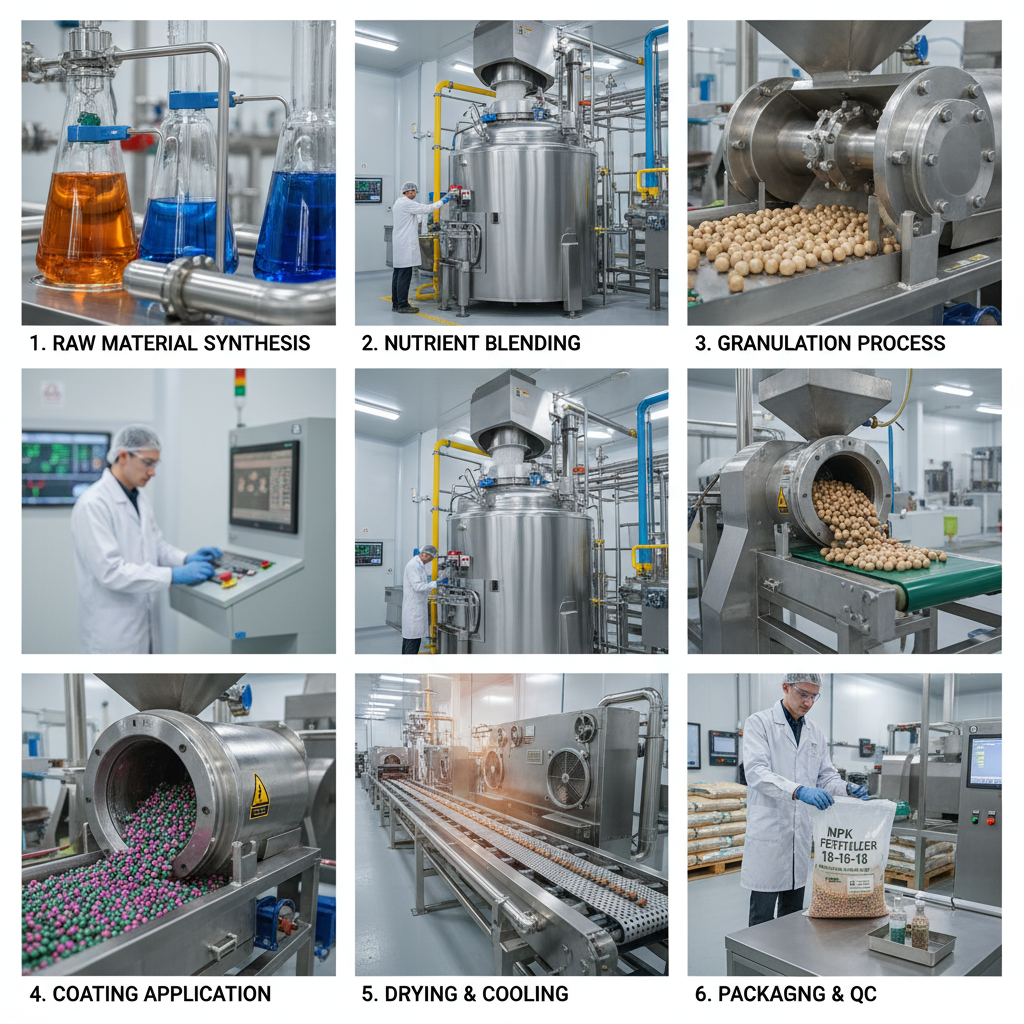
I encountered this at a fertilizer factory in Shandong Province last time. They were scrambling to find alternatives to traditional, chemically-heavy soil amendments. Turns out, consumer pressure and stricter environmental regulations are driving a huge demand for sustainable solutions. Potassium humate is popping up everywhere as a key player in this shift.
The UN is pushing for increased agricultural productivity with a reduced environmental footprint, and honestly, potassium humate fits that bill pretty well. It's not a magic bullet, mind you, but it’s a solid step in the right direction. ISO certifications are getting stricter too, focusing on sustainable input materials. Makes things tougher on manufacturers, but better for everyone in the long run.
Defining Potassium Humate: Beyond a Simple Fertilizer
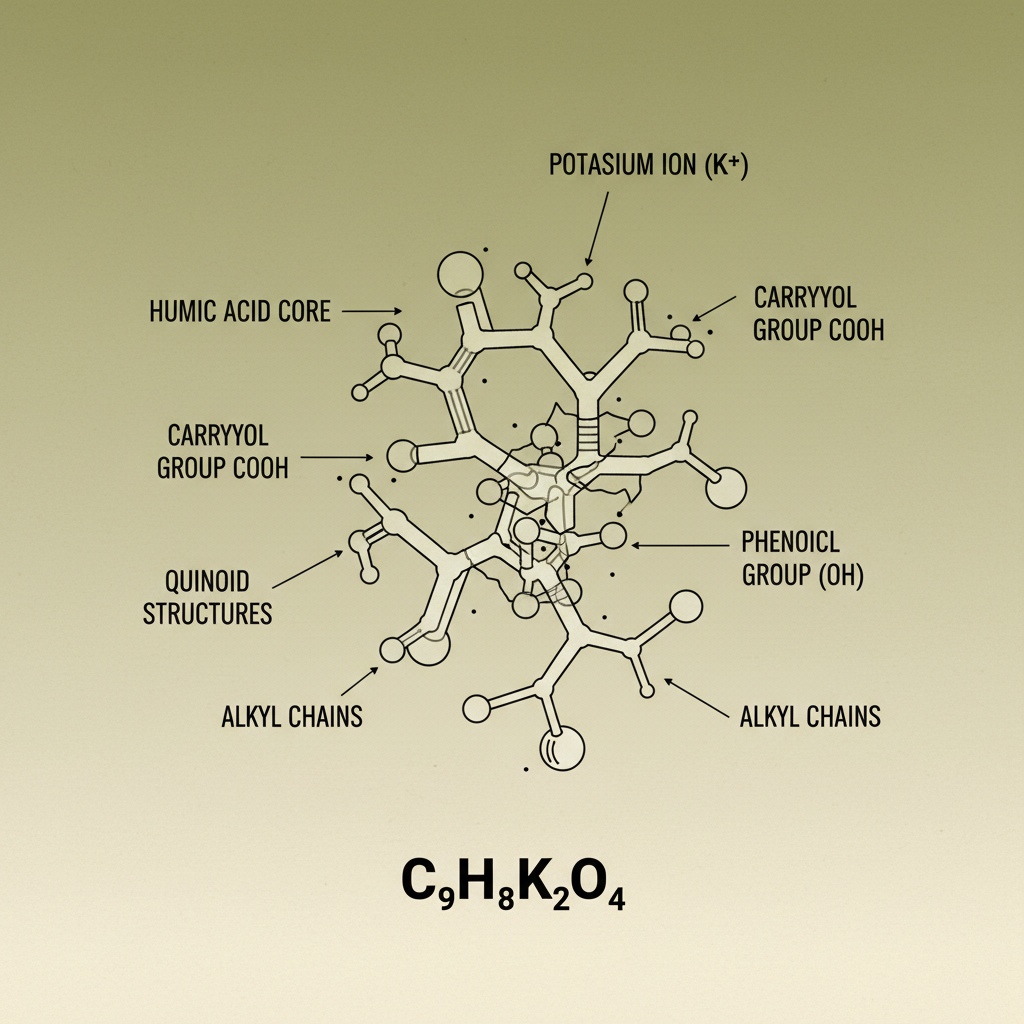
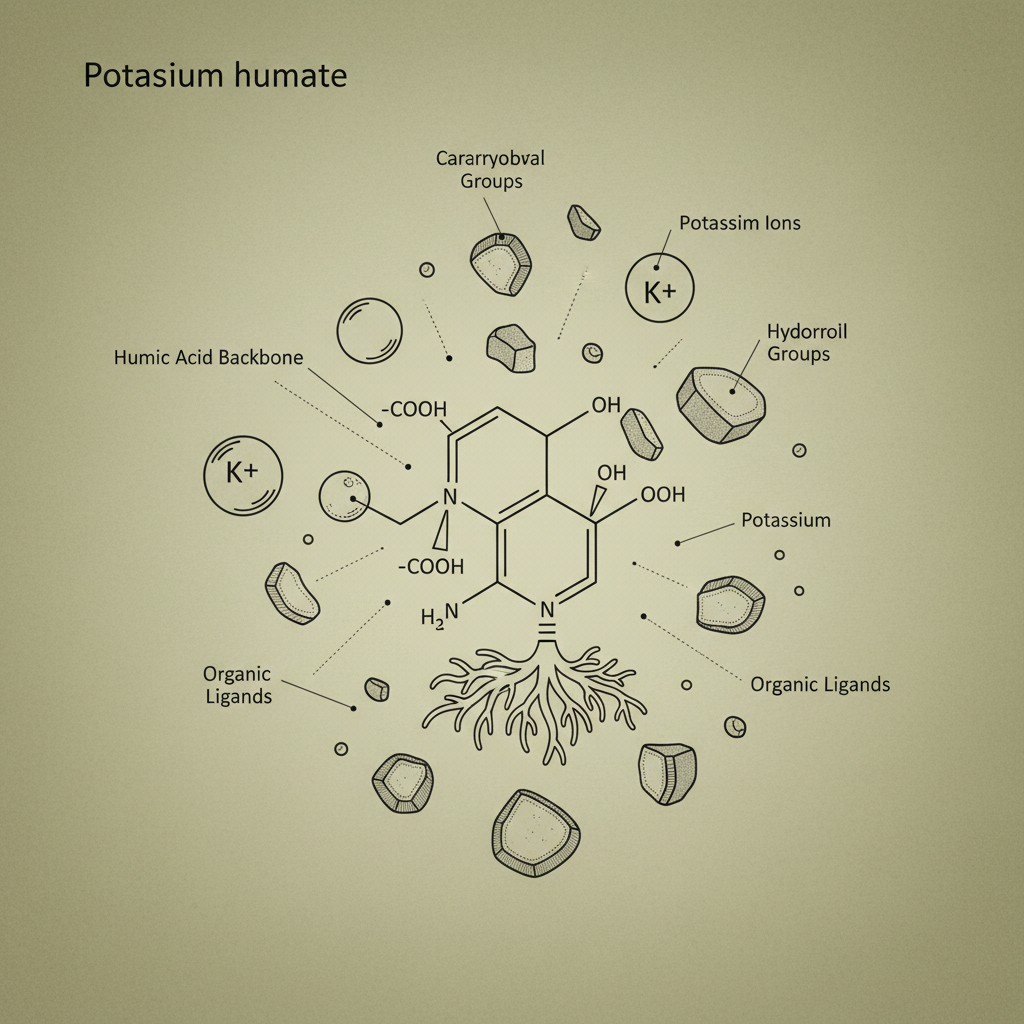
Okay, so what is potassium humate? It’s basically decomposed organic matter – humic substances – combined with potassium. It’s not a direct fertilizer like, say, urea, which gives plants a quick nitrogen boost. It’s more about improving the soil itself. Think of it as a soil conditioner, making nutrients more available to the plants and improving water retention.
The connection to modern industry? Well, think about the pressure to increase food production while minimizing environmental damage. Intensive agriculture strips the soil of nutrients and organic matter. Potassium humate helps replenish that, creating healthier, more resilient ecosystems. It’s a piece of the puzzle for sustainable agriculture.
Strangely enough, it's even being used in wastewater treatment these days, helping to remove pollutants. I heard about a pilot program in Singapore. Who would've thought?
Key Factors Influencing Potassium Humate Effectiveness
First off, the source of the humic substances matters. Is it from leonardite, compost, or something else? Leonardite-based humate is generally considered higher quality, but it can be more expensive. Then there’s the potassium content – obviously, you want a product with a good percentage of available potassium.
The particle size is also crucial. Finer particles dissolve faster, making the nutrients more readily available. But too fine, and it can get dusty and difficult to handle. I've seen guys on site complaining about breathing in the dust, and that’s a legitimate concern. Another thing, the humic acid to fulvic acid ratio – fulvic acid is smaller molecules, more readily absorbed by plants, so a good balance is important.
And finally, the application method. Is it being broadcast, banded, or used in irrigation? Different methods require different formulations and application rates. It's not one-size-fits-all, that’s for sure.
Global Application Scenarios & Practical Use Cases
You see it used a lot in horticulture, particularly for high-value crops like fruits and vegetables. Farmers are willing to pay a premium for something that boosts yields and improves quality. But it's gaining traction in broader agriculture too – corn, wheat, soybeans.
In post-disaster relief operations, it’s used to rehabilitate degraded soils. Areas affected by floods or landslides often have severely depleted soil nutrients, and potassium humate can help kickstart the recovery process. I saw some work being done in Nepal after the earthquake – pretty impressive stuff.
Potassium Humate Application Comparison
The Advantages of Potassium Humate: A Long-Term Perspective
The biggest advantage, in my opinion, is the long-term improvement in soil health. It's not a quick fix, but over time, it builds up organic matter, improves structure, and increases water-holding capacity. This translates to more resilient crops and reduced reliance on synthetic fertilizers.
It's also surprisingly versatile. You can use it on almost any plant, in any growing medium. And it’s relatively safe – it’s a natural product, so the risk of toxicity is low. But don’t get me wrong, it's not without its drawbacks. It can be expensive, and the results aren't always immediate. You gotta be patient.
Future Trends and Innovation in Potassium Humate Technology
I’m seeing a lot of research into combining potassium humate with other beneficial microbes – things like mycorrhizal fungi and plant growth-promoting bacteria. The idea is to create a synergistic effect, boosting plant growth even further.
There's also some interesting work being done on nano-sized potassium humate particles. Smaller particles are supposed to be even more readily absorbed by plants. But honestly, I'm skeptical. I need to see real-world results, not just lab data.
Digital agriculture is playing a role too. Precision agriculture techniques, like soil mapping and variable-rate application, are allowing farmers to optimize potassium humate use and maximize its benefits.
Challenges & Potential Solutions in Potassium Humate Implementation
One of the biggest challenges is consistency. The quality of potassium humate products can vary widely. Some products are full of fillers and impurities, while others are genuinely high-quality. It's hard for farmers to know what they’re getting.
Another challenge is the lack of standardized application guidelines. There’s no one-size-fits-all answer, and the optimal application rate depends on a lot of factors, including soil type, climate, and crop. More research is needed to develop accurate recommendations.
To address these challenges, I think we need more independent testing and certification programs. And we need to invest in education and training for farmers, helping them understand how to use potassium humate effectively.
Summary of Key Considerations for Potassium Humate Application
| Source Material |
Application Method |
Soil Type Compatibility |
Expected Response Time |
| Leonardite |
Foliar Spray |
Sandy Loam |
4-6 Weeks |
| Compost |
Soil Drench |
Clay |
8-12 Weeks |
| Peat |
Broadcast |
Silty Loam |
6-8 Weeks |
| Leonardite + Compost |
Irrigation |
Sandy Clay |
4-6 Weeks |
| Compost + Peat |
Banding |
Peaty Soil |
8-10 Weeks |
| Synthetic Humate |
Hydroponics |
Coco Coir |
2-4 Weeks |
FAQS
Determining the optimal rate really depends on your soil type, the crop you're growing, and the current nutrient levels. Generally, starting with 2-5 tons per hectare is a good starting point, but a soil test is always recommended. Don't just blindly follow the label – every situation is different. It’s often best to start lower and adjust based on plant response. Overdoing it won't necessarily hurt, but it’s a waste of money.
Absolutely! In fact, it’s often better when combined with other fertilizers. Potassium humate helps improve nutrient uptake, so it can make your existing fertilizers more effective. It's like giving your plants a better digestive system. Just be mindful of compatibility. Some combinations might cause precipitation or other issues, but it’s generally safe to use with most common fertilizers.
Yes, very much so. It's a natural product derived from organic matter. It doesn’t leach into groundwater like some synthetic fertilizers, and it doesn't harm beneficial soil organisms. It actually improves soil health, which is good for the environment. That said, sourcing is important. Make sure you’re getting it from a reputable supplier who practices sustainable harvesting methods.
Good question. Humic acid is the broader category. Potassium humate is specifically the potassium salt of humic acid. Think of it like this: all potassium humate is humic acid, but not all humic acid is potassium humate. The potassium part adds to the benefits, making it more readily available to plants. It’s more than just a marketing term, there's a real functional difference.
Keep it dry, cool, and out of direct sunlight. It's pretty stable stuff, but prolonged exposure to moisture and heat can degrade its quality. I’ve seen bags left out in the rain that basically turned into a sticky mess. Store it in its original packaging, sealed tightly, and you should be good to go. A dry shed or warehouse is ideal.
It can, but it's usually not a dramatic effect. Potassium humate tends to have a slightly buffering effect on soil pH, helping to stabilize it. It can help raise the pH of acidic soils, but it's not a substitute for liming if you have severely acidic soil. It’s more of a gentle adjustment than a major correction. Always test your soil pH before and after application to monitor the changes.
Conclusion
Ultimately, potassium humate isn’t a miracle cure, but it’s a valuable tool for improving soil health, increasing nutrient availability, and promoting sustainable agriculture. It's about building a stronger foundation for plant growth, rather than just giving them a quick fix. It needs to be part of a holistic approach, combined with good soil management practices and responsible fertilizer use.
Look, at the end of the day, whether this thing works or not, the worker will know the moment he tightens the screw. If the soil feels better, if the plants look healthier, if the yields are up – that’s all that matters. And if it doesn't, well, you learn something new and move on. Visit our website at potassium humate for more information.