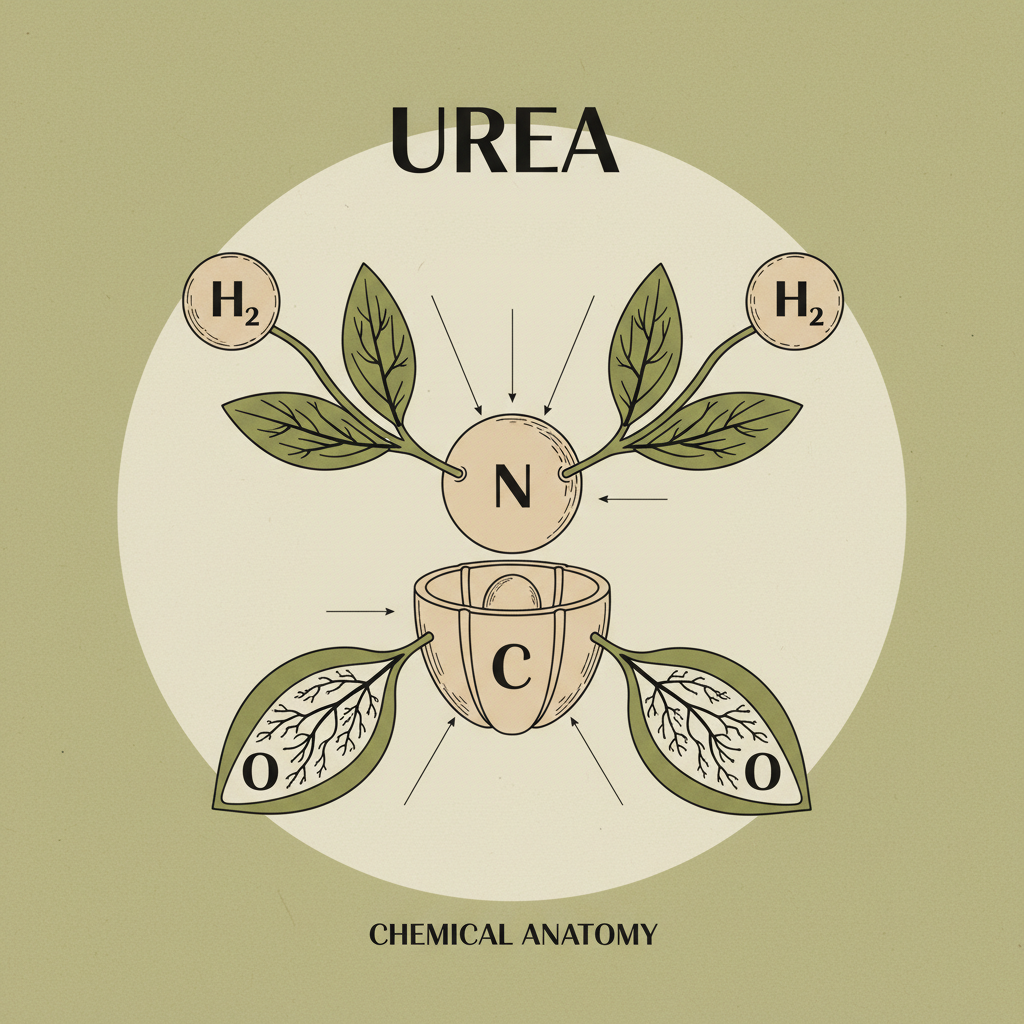
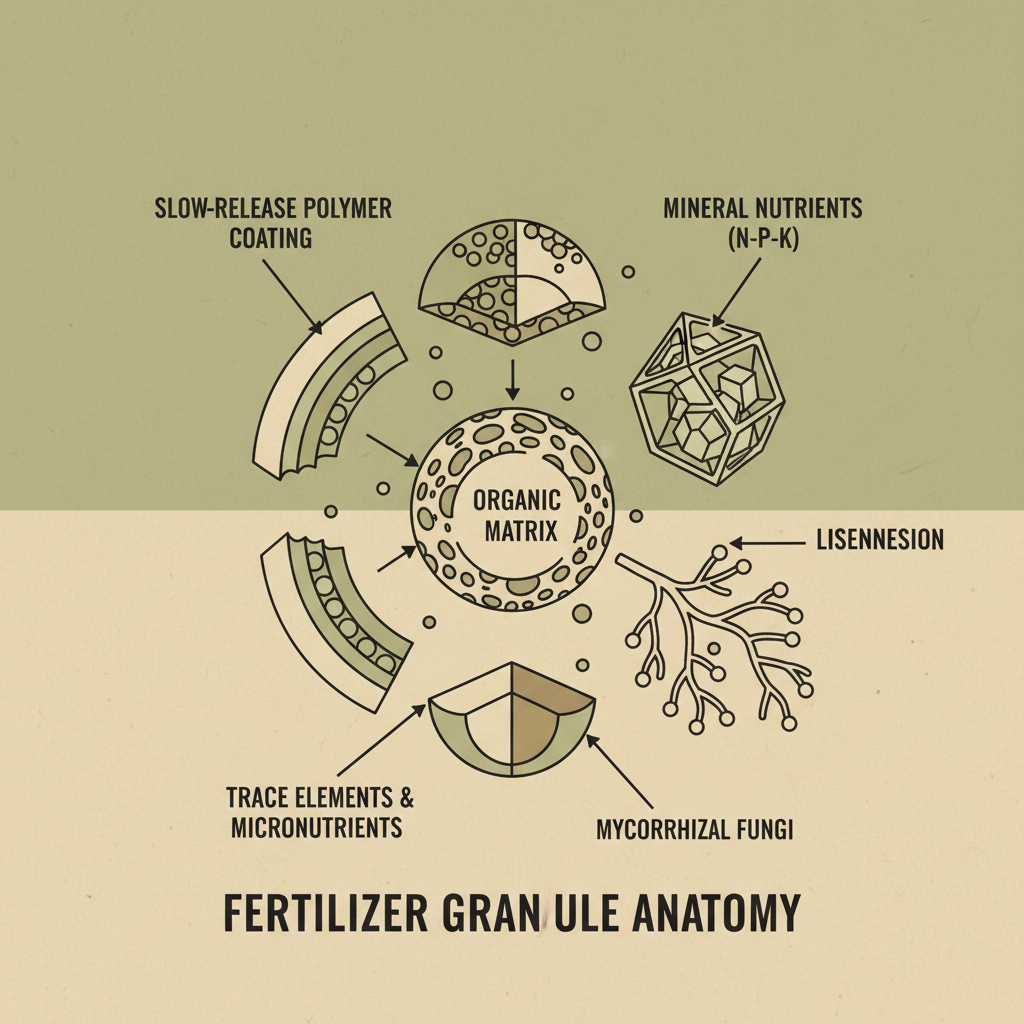
Urea. Honestly, it's everywhere these days. You walk onto any construction site, and you smell it, you see it being mixed, it's in everything. It's not glamorous, but it is fundamental. For years it was just… urea. But lately, things have been shifting. Everyone’s talking about slow-release formulations, coatings to reduce ammonia volatilization, stuff like that. It's a good sign, shows people are finally thinking about efficiency and, frankly, not wanting to stink everything out.
I've been doing this for twenty years, and you learn quickly that what looks good on paper doesn’t always translate to the ground. One thing I’ve noticed is how many designers still spec straight urea for situations where it's clearly wrong. Like, a steeply sloped surface? Forget about it. It’ll all wash away. They think "nitrogen source = good," but they don't consider the practicalities.
And it's not just about the application. It’s the material itself. Urea prills, you know the little granules? They're hygroscopic. Meaning they suck up moisture. Handle them on a humid day, and they start clumping up. Gets into the mixer, causes all sorts of problems. I encountered that at a pre-fab concrete plant in Shanghai last time. Nightmare. The smell, too. A distinct, pungent smell. Not awful, but…present. You get used to it, eventually.
The Changing Landscape of Urea
To be honest, the biggest trend right now isn't a new type of urea, it's about maximizing what we already have. Everyone is obsessed with nitrogen use efficiency, and rightly so. It's expensive, and runoff is terrible for the environment. That’s why you're seeing a lot of focus on inhibitors, coatings, and controlled-release technologies. It's all about getting the nitrogen to the plant when it needs it, not just dumping a load and hoping for the best.
You’ve also got the geopolitical side of things. Supply chain issues, price fluctuations… it all impacts how we use urea. Last year, with everything going on in Eastern Europe, the price shot up. Suddenly everyone was looking for alternatives, or ways to stretch what they had.
Design Pitfalls and Common Mistakes
Have you noticed how many blueprints still call for straight urea broadcast application on anything but perfectly flat ground? It’s maddening. It just runs off. Then they wonder why they're not seeing results. Another thing… underestimating the impact of soil type. Clay soils hold urea better than sandy soils, obviously. But people still treat them the same. It's like they think fertilizer is a one-size-fits-all solution. It’s not.
And the mixing ratios! I've seen guys miscalculate so badly, it's almost comical. Too much urea, you burn the plants. Too little, well, you've wasted your money. It's a surprisingly delicate balance. They rely too much on the bag instructions, instead of actually looking at the soil and the plant.
Strangely enough, sometimes the issue isn’t a lack of knowledge, but an excess of confidence. Young engineers, fresh out of school, thinking they know everything. They haven't spent a day hauling bags of this stuff in the sun, so they don’t understand the real-world challenges.
A Deep Dive into Urea Materials
Okay, let's talk about the stuff itself. Most of the urea we use is prilled, those little spherical granules. They're easy to handle, spread nicely, and relatively inexpensive. But you also get granular urea, which are larger, more uniform crystals. They’re less dusty, which is good, but can be a bit harder to dissolve.
Then you have coated urea, which is where things get interesting. Coatings can range from polymer films to sulfur, each with its own advantages and disadvantages. The polymer films provide a slow, controlled release, while sulfur coatings are cheaper but less precise. It all depends on the application and budget. I encountered a failed sulfur coating on a big farm in Iowa once. The coating dissolved too quickly in the warm weather, and the whole field got scorched.
And don’t forget about urea solutions. Those are becoming more common, especially for foliar application. They’re easy to apply, but can be corrosive, so you need the right equipment. Anyway, I think you get the picture. It’s not just “urea.” There are a lot of different forms, each with its own quirks.
Rigorous Testing in Real-World Scenarios
Look, lab tests are fine, but they don't tell the whole story. You need to see how urea performs in the real world. We do a lot of field trials, comparing different formulations and application methods. We’ll spread it on a test plot, monitor plant growth, measure nitrogen levels in the soil, the whole nine yards.
One of our key tests involves simulating rainfall. We set up a sloping field, apply urea, and then run sprinklers over it. We measure how much urea washes away, and how much stays in the root zone. That gives us a good indication of its runoff potential.
Urea Performance Under Different Rainfall Conditions
Practical Applications and User Behavior
You'd think farmers would always follow the instructions, right? Wrong. I've seen guys just toss it on the field, hoping for the best. Others will over-apply, thinking "more is better." It's frustrating, because they're undermining their own efforts. But I get it, they're busy, they're under pressure, they're just trying to get the job done.
We’re seeing a big increase in the use of variable rate application technology. Basically, it allows farmers to apply different amounts of urea to different parts of the field, based on soil conditions and plant needs. It's more efficient, more environmentally friendly, and ultimately more profitable.
Advantages, Disadvantages, and Customization
The biggest advantage of urea is its high nitrogen content. It's the most concentrated solid nitrogen fertilizer available. It’s also relatively cheap, compared to other options. But it does have its drawbacks. As we’ve discussed, it’s susceptible to losses through volatilization and runoff. It also requires careful handling to avoid burning plants.
Customization is definitely possible. We worked with a grower in California who wanted a urea formulation specifically tailored to his almond trees. He wanted a slow-release product with added micronutrients. We were able to develop a custom blend that met his exact needs. It wasn’t cheap, but he was willing to pay for the performance.
A Customer Story and Lessons Learned
Last month, that small boss in Shenzhen who makes smart home devices insisted on changing the interface to on a project we were working on. He’d decided it was the “future” and wanted all his products to have it. We told him it would delay the project and increase costs, but he wouldn't listen. He was convinced it would give him a competitive edge.
He pushed ahead with the change, and unsurprisingly, the project ran over budget and schedule. Turns out, the connectors were harder to source and required more complex assembly. He ended up losing a major contract because of the delay. Later... Forget it, I won’t mention it. It’s a good reminder that sometimes, sticking with what works is the smartest move.
It's a lesson I've learned many times over the years: listen to the people on the ground. They know what works, and what doesn’t.
A Summary of Urea Properties & Considerations
| Property |
Impact on Application |
Mitigation Strategies |
Typical On-Site Challenges |
| Hygroscopicity |
Clumping, caking, difficulty in even distribution. |
Storage in dry, well-ventilated areas; using coated urea. |
Blocked spreader nozzles, inconsistent application rates. |
| Nitrogen Volatilization |
Loss of nitrogen to the atmosphere, reduced fertilizer efficiency. |
Using inhibitors, incorporating urea into the soil, avoiding surface application. |
Visible ammonia fumes, decreased plant growth. |
| Solubility |
Rapid dissolution, potential for leaching in sandy soils. |
Controlled-release formulations, split application. |
Nutrient runoff, water contamination. |
| Corrosivity (in solution) |
Damage to application equipment, potential health hazards. |
Using corrosion-resistant materials, proper handling procedures. |
Rusted pumps, leaking pipes. |
| Cost-Effectiveness |
Attractive for budget-conscious farmers and projects. |
Balancing cost with environmental impact and long-term efficiency. |
Temptation to over-apply, neglecting soil testing. |
| Formulation Variety |
Allows tailoring to specific crop needs and environmental conditions. |
Careful selection based on soil analysis, crop requirements, and local regulations. |
Difficulty in choosing the optimal formulation, lack of clear guidance. |
FAQS
Without a doubt, it’s failing to keep it dry. Urea is hygroscopic, meaning it pulls moisture from the air. If it gets wet, it’ll start to harden and clump, making it difficult to spread evenly. We’ve seen entire warehouses of fertilizer ruined because of a leaky roof. Always store it in a covered, well-ventilated area, and keep the bags sealed. A little bit of prevention saves a whole lot of headache. Keep it away from other chemicals too, it can react.
That depends on a ton of factors – soil type, temperature, rainfall, whether you used an inhibitor or not. Generally, you're looking at a window of a few weeks to a couple of months for the nitrogen to be fully utilized by the plants. A sandy soil will lose nitrogen much faster than a clay soil. Inhibitors can extend that window, but they’re not a magic bullet. The best thing to do is monitor the plants and do regular soil tests to see if they’re getting enough nitrogen.
It can be, but it's not always. Coated urea is more expensive upfront, but it can reduce nitrogen losses and improve fertilizer efficiency. That can translate to higher yields and lower overall costs. It’s particularly beneficial on sandy soils or in areas with high rainfall. You’ve got to run the numbers and see if it makes sense for your specific situation. It’s not a one-size-fits-all solution.
Wear gloves and a dust mask. Urea isn’t highly toxic, but it can irritate your skin and respiratory system. Avoid breathing in the dust. Also, be careful not to spill it on your clothes, as it can stain. And definitely wash your hands thoroughly after handling it. Common sense stuff, but people often overlook it.
Generally, yes, but the application rate needs to be adjusted based on the plant's needs. Some plants are more sensitive to nitrogen than others. For example, leafy greens need a lot of nitrogen, while root vegetables need less. Always follow the recommendations on the fertilizer bag, and do your research to make sure you’re using the right amount. Too much nitrogen can burn the plants or cause excessive vegetative growth at the expense of fruit or flower production.
Yes, unfortunately it is. Urea can release ammonia into the atmosphere, which is a greenhouse gas. That's why it's so important to use best management practices to minimize volatilization, like incorporating the urea into the soil or using inhibitors. There's a lot of research going on to develop more sustainable urea formulations that reduce ammonia emissions.
Conclusion
So, there you have it. Urea. It’s not a glamorous product, but it’s essential for modern agriculture and a whole host of other applications. It’s seen a lot of changes over the years, and it’s going to continue to evolve as we strive for greater efficiency and sustainability. Understanding its properties, its limitations, and the best practices for using it is critical.
Ultimately, whether this thing works or not, the worker will know the moment he tightens the screw. Because, at the end of the day, it's not about the fancy lab tests or the complex formulations. It's about getting the job done, and getting it done right. If it smells right, feels right, and the plants are growing, then you’re on the right track. And if not...well, you know what to do. Check out our website at www.hhfertilizer.com for more information.