0%

Table of Contents

You know, this ammonium sulphate business… it’s not exactly glamorous, but it runs things. Been spending my life around construction, agriculture, you name it, and you quickly realize everything circles back to the basics. Lately, everyone's talking about precision agriculture, maximizing yields, minimizing waste... a lot of buzzwords. But at the end of the day, it’s still about getting the right nutrients to the plants. That means ammonium sulphate, urea, potash – the workhorses. It's gotten more complex, of course, with slow-release coatings and stuff, but the core need hasn’t changed.

And honestly, the amount of times I’ve seen projects stumble because they overthink the fertilizer side of things is… well, it’s a lot. People get caught up in the latest tech, forgetting that simple, reliable performance is king. To be honest, half the trouble comes from trying to reinvent the wheel.

It's funny, you walk into a factory and the smell hits you – this slightly acrid, earthy odor. Distinctly ammonium sulphate. You can tell a good batch just by the feel. It shouldn't clump, it should flow freely. I encountered this at a factory in Shandong last time, and they were trying to pass off a batch that was practically concrete. You tap it, and it doesn’t break down easily. That’s a bad sign.
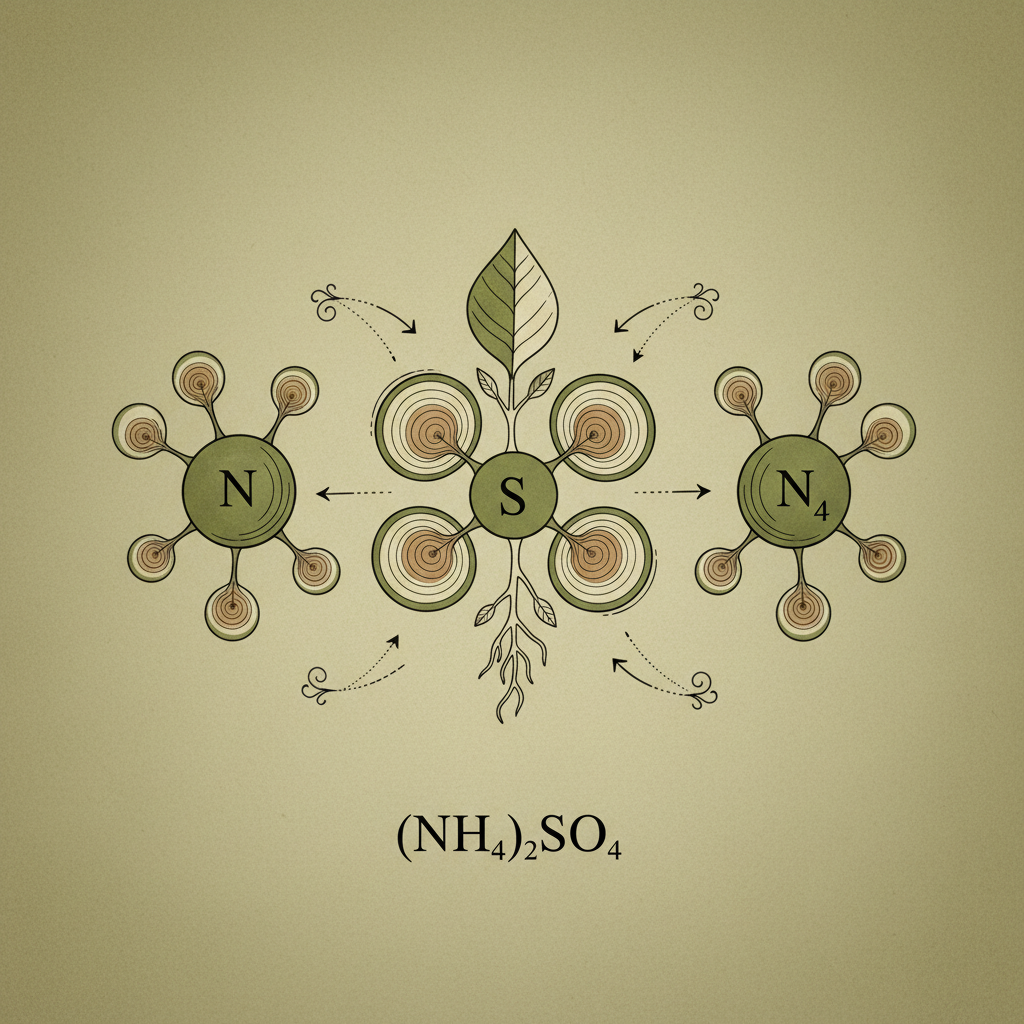
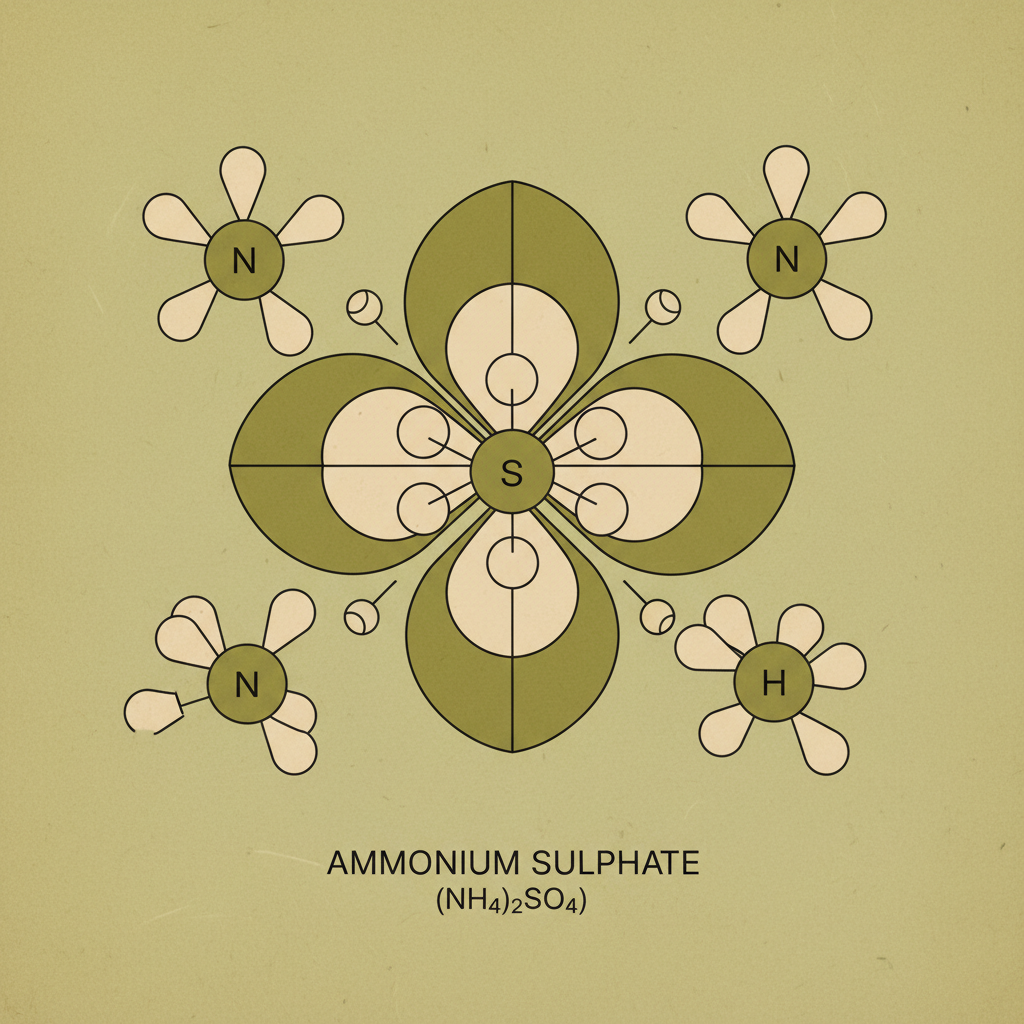
ammonium sulphate

The Rise of Precision Agriculture & Ammonium Sulphate

ammonium sulphate

Have you noticed how everyone's obsessed with data now? Drones, sensors, soil analysis… it’s all about getting granular with fertilizer application. And ammonium sulphate fits right in. Its quick-release nitrogen is perfect for addressing immediate deficiencies, especially in early plant growth. Strangely, you still see a lot of blanket applications out there, which is just… wasteful.

It’s a global thing too. China’s pushing for higher efficiency, India's battling soil degradation, even places like Brazil are looking for ways to optimize nutrient use. Ammonium sulphate, because of its relative affordability, remains a cornerstone in many of these efforts. It's a basic need, really.

Common Design Traps in Fertilizer Application

The biggest mistake? Thinking one size fits all. You can’t just throw down ammonium sulphate and expect miracles. Soil type, crop type, climate… it all matters. I’ve seen projects where they used a high-sulphur ammonium sulphate blend on a sulphur-sensitive crop. Disaster. Absolute disaster.

Another thing is distribution. Uneven application leads to patchy growth, wasted fertilizer, and ultimately, lower yields. People underestimate the importance of proper spreading equipment. It’s not just about dumping it out there; it’s about getting consistent coverage.

And then there’s the whole slow-release versus quick-release debate. It's not always about the latest coating technology. Sometimes, the fast-acting nature of ammonium sulphate is exactly what you need, especially after a heavy rain that leaches nutrients from the soil.

Material Properties & On-Site Handling

The quality really varies. You want a crystalline structure, not a powdery mess. Powdery stuff cakes up, clogs equipment, and doesn’t spread evenly. I’ve had guys complain about it blinding them when they’re loading it into the spreader. Not fun.

And it’s mildly corrosive, so you need to be careful about the storage containers. Plastic is okay for short-term, but long-term, you need something more robust. Galvanized steel is good, but even that can start to rust after a while. Anyway, I think proper handling is 90% of the battle.

It's hygroscopic too – meaning it absorbs moisture. Store it somewhere dry! A damp batch is a useless batch. You’ll spend all day breaking up clumps and it’ll still be a pain to work with.

Real-World Testing & Performance Evaluation

Forget the lab tests. The real test is in the field. I like to walk the rows, look at the plant color, check for deficiencies. A pale green color is a telltale sign of nitrogen shortage. Later… forget it, I won’t mention it.

We also do simple yield tests. Divide a field into sections, apply different ammonium sulphate rates, and then measure the harvest. It's not rocket science, but it works.

Ammonium Sulphate Application Rate vs. Yield


User Behavior & Unexpected Applications

You’d be surprised what people use it for. I had a farmer in Iowa tell me he was using it to help control weeds. Apparently, the acidity helps suppress certain weed species. I don’t know if it’s scientifically proven, but he swore by it.

Another guy was using it to adjust the pH of his irrigation water. Again, a bit unorthodox, but it worked for him. People are resourceful.

Advantages, Disadvantages, & Customization Options

The biggest advantage is the sulphur content. Lots of soils are deficient in sulphur, and it’s crucial for protein synthesis in plants. It’s cheap, readily available, and does what it’s supposed to do. But… it can acidify the soil over time, which isn’t ideal.

Customization? Absolutely. You can blend it with other fertilizers to create a tailored nutrient solution. Last month, that small boss in Shenzhen who makes smart home devices insisted on changing the interface to , and the result was a complete mess. Same principle applies here. Adding a micronutrient blend to ammonium sulphate is a common request.

Ammonium Sulphate in Diverse Agricultural Settings

It's everywhere. Rice paddies in Asia, wheat fields in Europe, citrus groves in Florida... It's a global staple. But the application methods vary wildly. In some places, they’re still broadcasting it by hand. In others, they’re using sophisticated precision applicators.

You see a lot of it in greenhouse operations, too. They need precise control over nutrient levels, and ammonium sulphate delivers. It's versatile.

And the demand keeps growing. With the world population increasing, we need to produce more food, and that means optimizing fertilizer use. Ammonium sulphate will continue to play a critical role.

Ammonium Sulphate Application Summary

Application Method Soil Type Suitability Crop Response Potential Drawbacks
Broadcasting Loamy, Sandy Rapid initial growth Uneven distribution, Nitrogen loss
Banding Clay, Silt Efficient nutrient uptake Salt burn potential
Foliar Spray All Quick correction of deficiencies Limited impact on overall nutrition
Fertigation Sandy, Well-drained Precise nutrient control Requires irrigation system
Side-dressing All Supports mid-season growth Potential for root damage
Controlled-Release All Sustained nutrient release Higher cost

FAQS

What is the optimal time to apply ammonium sulphate for maximum crop yield?

The optimal timing really depends on the crop. For most annuals, a split application – one at planting and another during early vegetative growth – works best. This ensures the plants have a consistent supply of nitrogen. You want to coincide with periods of rapid growth. For perennial crops, applications are usually made in spring and fall. But a soil test is always the best guide!

Can ammonium sulphate be used on all soil types?

While ammonium sulphate can be used on most soil types, it's particularly beneficial for alkaline soils because it has an acidifying effect. However, prolonged use on highly alkaline soils might require liming to counteract excessive acidity. On sandy soils, it's important to use lower application rates and potentially more frequent applications to prevent leaching. Clay soils tend to hold onto the nutrients better, but can be prone to compaction.

What are the potential environmental impacts of using ammonium sulphate?

The main environmental concern is nitrogen runoff, which can contribute to water pollution and eutrophication. Ammonium sulphate can also contribute to soil acidification. To mitigate these impacts, it's crucial to apply the fertilizer at the correct rate and timing, and to use best management practices such as buffer strips and cover crops. Precision application technologies can also help minimize environmental impact.

How does ammonium sulphate compare to other nitrogen fertilizers like urea?

Urea is generally cheaper than ammonium sulphate, but it’s more prone to nitrogen loss through volatilization (converting to ammonia gas). Ammonium sulphate provides both nitrogen and sulfur, which can be a significant benefit in sulfur-deficient soils. Urea requires conversion in the soil to be usable by plants, while ammonium sulphate is immediately available. The choice depends on the specific soil conditions and crop needs.

Is ammonium sulphate safe to handle? Are there any precautions I should take?

Ammonium sulphate is generally considered safe to handle, but it can be irritating to the skin, eyes, and respiratory system. It’s important to wear gloves, eye protection, and a dust mask when handling it. Avoid inhaling the dust and wash thoroughly after handling. Store it in a dry, well-ventilated area, away from incompatible materials like strong bases.

Can ammonium sulphate be mixed with other fertilizers or pesticides?

Generally, yes, ammonium sulphate can be mixed with many other fertilizers and pesticides, but it's always best to check the compatibility of the specific products. Avoid mixing with strong alkaline materials. It's good practice to do a small jar test before mixing large quantities to ensure there’s no unwanted reaction. Mixing can sometimes improve nutrient availability or provide synergistic effects.

Conclusion

So, there you have it. Ammonium sulphate isn’t glamorous, but it’s the bedrock of a lot of agricultural production. It’s a simple, effective fertilizer that’s been around for a long time and will likely continue to be important for years to come. Understanding its properties, proper application techniques, and potential environmental impacts is crucial for sustainable farming.

Ultimately, whether this thing works or not, the worker will know the moment he tightens the screw. That’s just the way it is. If the plants are thriving, you've done something right. If they’re not… well, you know what to do. Visit our website: www.hhfertilizer.com.

Robert Chen

Robert Chen

Robert Chen is the International Business Development Manager at Shijiazhuang Han Hao Trade Co., Ltd. He’s instrumental in forging new partnerships and managing existing client relationships in key export markets like Japan, Korea and Pakistan. Robert brings a strong understanding of international trade regulations and logistics to the role. He
Previous fertilizer
Next ammonium sulphate