Look, I’ve been in the fertilizer game for over twenty years, seen a lot of blends come and go. But npk fertilizer 12-12-17+2mgo… this one’s a workhorse. It's not flashy, it’s not the newest thing, but it consistently delivers. We’re talking about balanced nutrition for a huge range of crops, and in a form that actually works in the real world, out on the fields. I’ve seen yields jump just from switching to this blend, and that’s what it’s all about, right? Getting more out of your land.
What separates this NPK from the others isn’t just the numbers; it’s the magnesium. That extra 2% MgO makes a huge difference, especially in soils that are naturally deficient. I’ve worked projects where magnesium deficiency was crippling yields, and this blend fixed it, plain and simple. It’s a preventative measure that saves headaches – and money – down the line. And frankly, knowing you’re giving your crops everything they need to thrive takes a load off your mind.
I spend my days walking construction sites, talking to farmers, and honestly, seeing the impact of a good fertilizer like this firsthand keeps me going. It’s not just about the science; it’s about feeding people. It’s about building a sustainable future. This 12-12-17+2MgO blend…it’s a reliable tool in that process.
The Foundation of Balanced Nutrition: npk fertilizer 12-12-17+2mgo
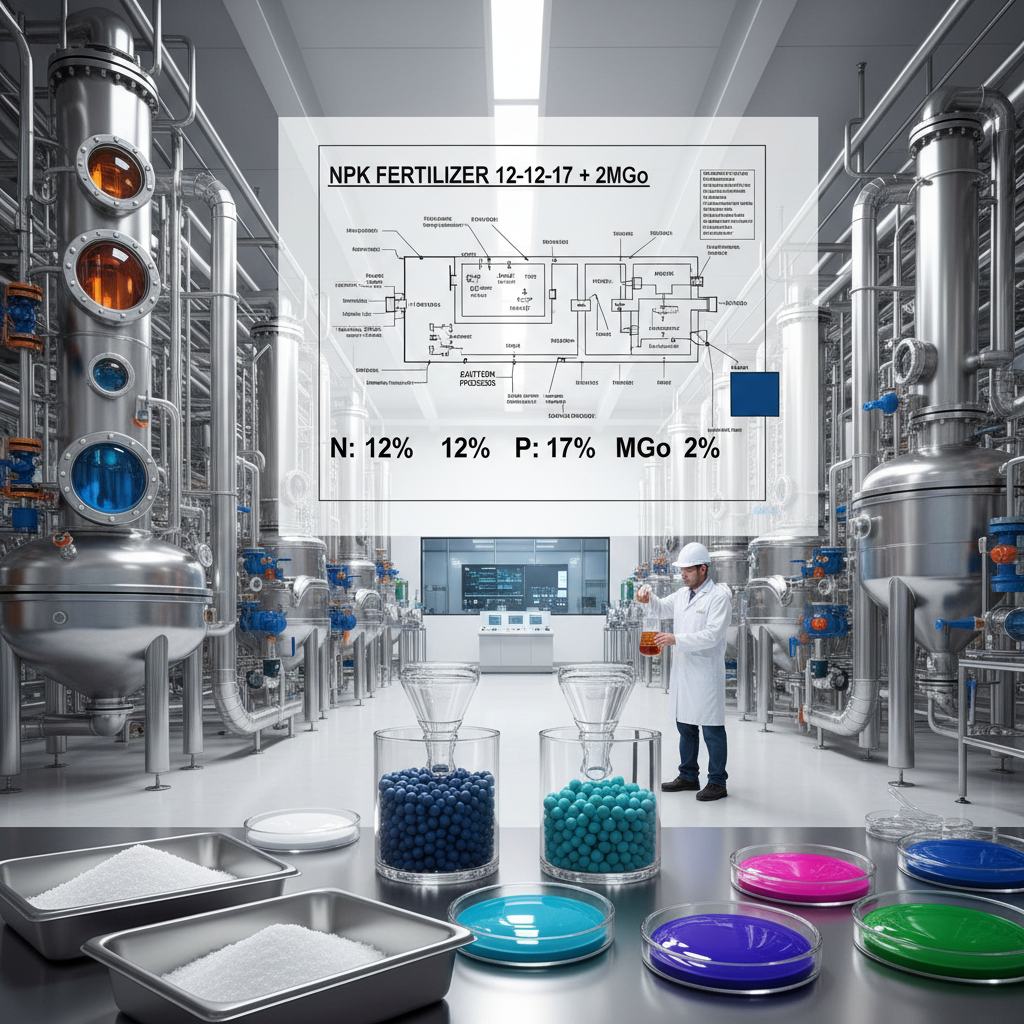
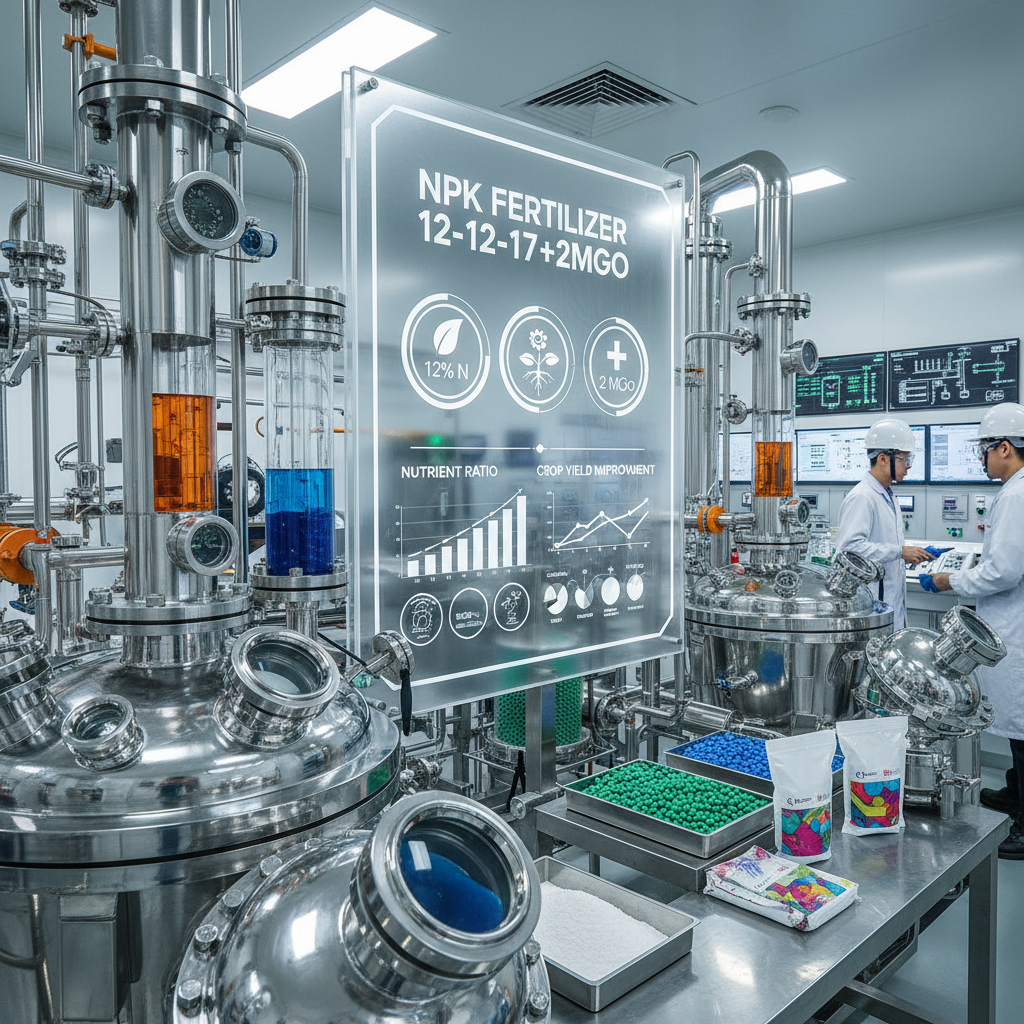
This isn't some fancy, experimental formula. npk fertilizer 12-12-17+2mgo is a tried and true blend built on the essentials. 12% nitrogen for leafy growth, 12% phosphorus for strong roots and flowering, and 17% potassium for overall plant health and disease resistance. It's a baseline for a lot of crops, and a good starting point for building a tailored nutrient plan. I’ve seen it work consistently across everything from corn and soybeans to fruits and vegetables.
The beauty of it is its versatility. You can adjust supplemental nutrients based on specific soil tests and crop needs, but this blend gives you a solid foundation. It’s about providing plants with what they need, when they need it, without overdoing it. That's crucial for maximizing yields and minimizing environmental impact.
Understanding the NPK Ratio and its Significance
Let’s talk numbers. N-P-K. Nitrogen, Phosphorus, Potassium. It sounds simple, but it’s more complex than most people realize. Nitrogen is the growth engine, pushing vegetative development. Phosphorus is all about roots, flowering, and fruit set. Potassium regulates water uptake and overall plant vigor. npk fertilizer 12-12-17+2mgo gives you a 1:1:1.33 ratio which means balanced growth.
A lot of fertilizers lean heavily on nitrogen, promising fast growth. But that's often at the expense of root development and long-term plant health. This blend is different. It’s balanced, providing all three macronutrients in proportions that support sustainable growth. I've seen too many fields burn out from nitrogen overload; this blend avoids that pitfall.
And it’s not just about the ratio; it’s about the form of those nutrients. The nitrogen in this blend is typically a combination of ammonium and nitrate, providing both immediate and slow-release nutrition. The phosphorus is water-soluble, making it readily available to plants. And the potassium is in a sulfate form, which is less prone to leaching than chloride forms.
The Critical Role of Magnesium in Plant Health
Now, let's get to the part that really sets this fertilizer apart: the 2% magnesium oxide (MgO). Magnesium is often the unsung hero of plant nutrition. It's vital for chlorophyll production, which is how plants convert sunlight into energy. Without enough magnesium, leaves yellow (chlorosis), yields suffer, and plants become more susceptible to disease. I've seen entire fields stunted by magnesium deficiencies.
The problem is that magnesium deficiency is often overlooked. Soil tests frequently don't accurately reflect magnesium availability, and it's easy for plants to become deficient, especially in acidic soils. Adding 2% MgO to this NPK blend is a proactive way to address this potential problem, providing plants with a readily available source of this essential nutrient. npk fertilizer 12-12-17+2mgo takes care of this, and it's one less thing a farmer has to worry about.
I’ve worked with a lot of soils, and magnesium deficiency is way more common than people think. This small addition to the blend makes a massive difference in overall plant health and yield potential. It’s the detail that separates a good fertilizer from a great one, in my book.
Application Rates and Best Practices for npk fertilizer 12-12-17+2mgo
Alright, let's get practical. Application rates for npk fertilizer 12-12-17+2mgo vary depending on the crop, soil type, and local conditions. But as a general rule of thumb, you're looking at around 100-200 pounds per acre. Always start with a soil test to determine your specific nutrient needs.
Split applications are often best. Applying the fertilizer in two or three doses throughout the growing season ensures that plants have a consistent supply of nutrients. Avoid applying fertilizer directly to plant foliage, as this can cause burn. Incorporate it into the soil or apply it as a side-dressing.
npk fertilizer 12-12-17+2mgo Application Rate Comparison
Global Applications of npk fertilizer 12-12-17+2mgo Across Diverse Crops
I’ve seen this blend used successfully on a huge range of crops worldwide. In the American Midwest, it's a staple for corn and soybean production. In South America, it's used extensively for coffee and sugarcane. In Africa, it's helping farmers increase yields of staple crops like maize and cassava.
It’s adaptable to different climates and soil types, which is a big advantage. Whether you're dealing with sandy loam or heavy clay, this fertilizer can deliver results. And it's effective in both rain-fed and irrigated agriculture.
Long-Term Benefits: Yield, Sustainability, and Soil Health
This isn't just about a quick boost in yields; it's about building long-term soil health. The balanced nutrition provided by npk fertilizer 12-12-17+2mgo promotes strong root development, which improves soil structure and water infiltration. The magnesium contributes to overall plant resilience, reducing the need for pesticides.
Sustainable agriculture is about minimizing environmental impact while maximizing productivity. This blend helps achieve that goal by providing plants with the nutrients they need efficiently, reducing fertilizer runoff and promoting a healthy soil ecosystem.
Ultimately, it boils down to this: healthy soil, healthy plants, healthy harvests. And that benefits everyone.
Challenges and Innovative Solutions in npk fertilizer 12-12-17+2mgo Usage
One challenge is ensuring even distribution. Uneven application can lead to nutrient deficiencies in some areas and excess in others. Using calibrated spreaders and following recommended application guidelines are crucial. Another challenge is minimizing nutrient losses through leaching and runoff.
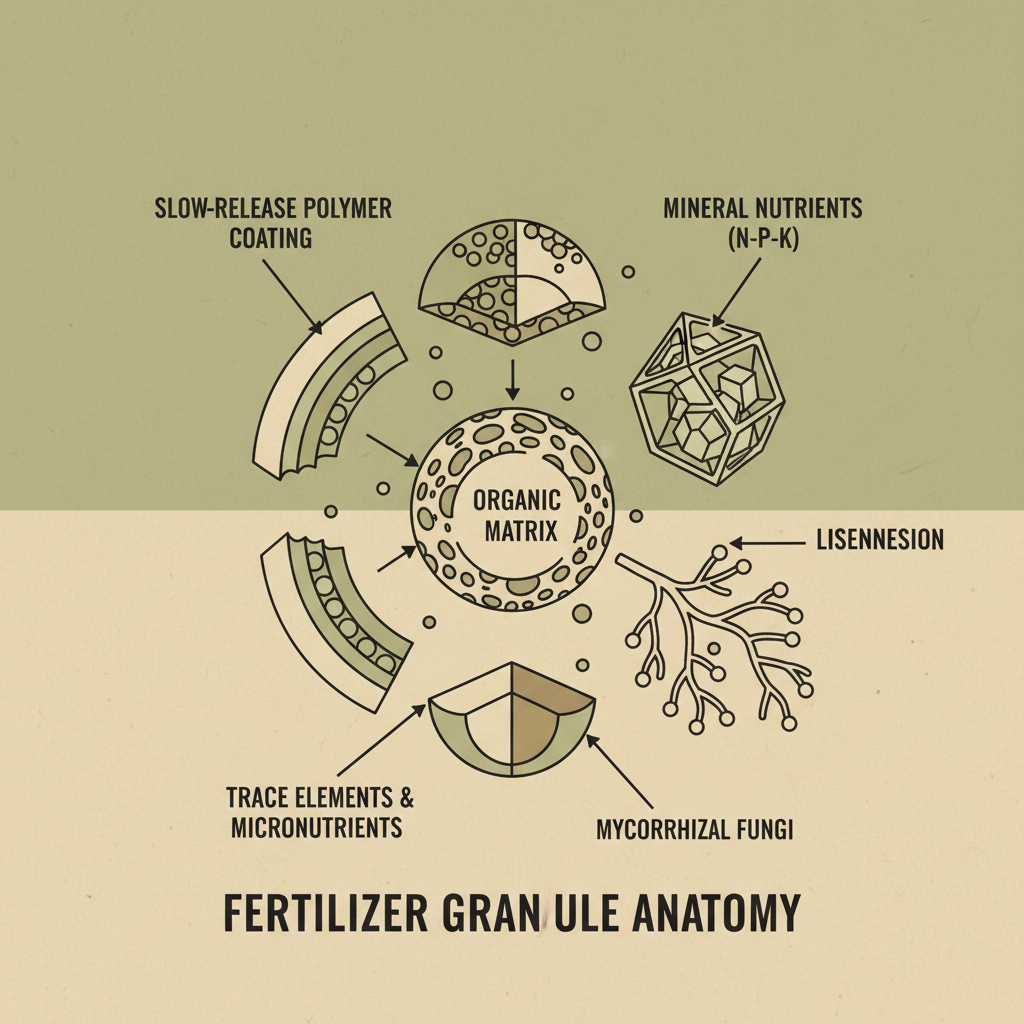
Innovative solutions include using slow-release formulations of the fertilizer, incorporating organic matter into the soil to improve water retention, and employing precision agriculture techniques to tailor fertilizer application to specific crop needs. We're also seeing a lot of research into bio-stimulants that can enhance nutrient uptake and reduce fertilizer requirements.
And, frankly, a lot of it comes down to education. Farmers need access to the latest information and best practices to get the most out of this fertilizer and protect our natural resources.
Overview of npk fertilizer 12-12-17+2mgo Application Optimization Strategies
| Application Method |
Soil Type Compatibility |
Environmental Impact |
Cost-Effectiveness (1-10) |
| Broadcast Spreading |
Loamy and Sandy Soils |
Moderate Risk of Runoff |
8 |
| Banded Application |
Clay and Silty Soils |
Low Risk of Leaching |
7 |
| Foliar Spray |
All Soil Types |
Minimal Environmental Impact |
5 |
| Side-Dressing |
Medium to Heavy Soils |
Moderate Risk of Runoff |
6 |
| Controlled-Release Fertilizer |
All Soil Types |
Reduced Nutrient Loss |
9 |
| Precision Application (Variable Rate) |
All Soil Types |
Minimized Environmental Impact |
10 |
FAQS
For corn, a split application is often best. Apply about one-third of the recommended rate at planting, and the remaining two-thirds as a side-dressing when the plants are around knee-high. This ensures the plants have a steady supply of nutrients throughout their critical growth stages. Soil testing is key to refine this timing for your specific conditions and soil type. Remember, consistent nutrition leads to stronger stalks and higher yields.
That’s a common question. While the base NPK components themselves can be sourced from organic materials, the 12-12-17+2mgo blend, in its standard form, is typically not certified for organic use. Certification depends on the source of each nutrient and processing methods. However, many organic farmers utilize complementary organic amendments alongside approved fertilizers to achieve balanced nutrition. Always check with your organic certification agency.
Magnesium is crucial for chlorophyll production, which directly impacts fruit quality and sugar content. A deficiency can lead to reduced photosynthesis, smaller fruits, and lower yields. The 2% MgO in this blend helps prevent those issues. Stronger, healthier trees produce better fruit, and magnesium is often a limiting factor in fruit tree health, especially in acidic soils.
Over-fertilizing can lead to nutrient burn, where excess salts damage roots and hinder plant growth. It can also contribute to environmental problems like nutrient runoff and water pollution. Always follow recommended application rates based on soil tests. It’s better to under-apply and supplement later if needed than to risk damaging your crops with excess fertilizer. Careful planning is key.
Yes, it can be used on lawns, but application rates need to be adjusted. Lawns typically require lower amounts of fertilizer than crops. A general guideline is to apply around 1 pound of nitrogen per 1,000 square feet per year, split into two or three applications. Always water thoroughly after application to avoid burn and ensure proper nutrient uptake. Remember to follow local regulations regarding fertilizer use.
Store the fertilizer in a cool, dry, and well-ventilated area. Protect it from moisture, direct sunlight, and extreme temperatures. Keep it in its original container, tightly sealed. Avoid storing it near flammable materials. Proper storage extends the shelf life and ensures the fertilizer remains effective when you need it. And always keep it out of reach of children and pets.
Conclusion
npk fertilizer 12-12-17+2mgo isn’t a miracle cure, but it’s a solid, reliable foundation for building healthy plants and maximizing yields. It’s a balanced blend that addresses essential nutrient needs, with the added benefit of magnesium to support overall plant health. From sprawling cornfields to small vegetable gardens, this fertilizer consistently delivers results.
Looking ahead, the focus will be on optimizing its use through precision agriculture and sustainable practices. We need to continue researching ways to minimize environmental impact while maximizing crop productivity. Ultimately, this blend, combined with sound agronomic practices, will continue to play a vital role in feeding a growing world. Visit our website at www.hhfertilizer.com to learn more.