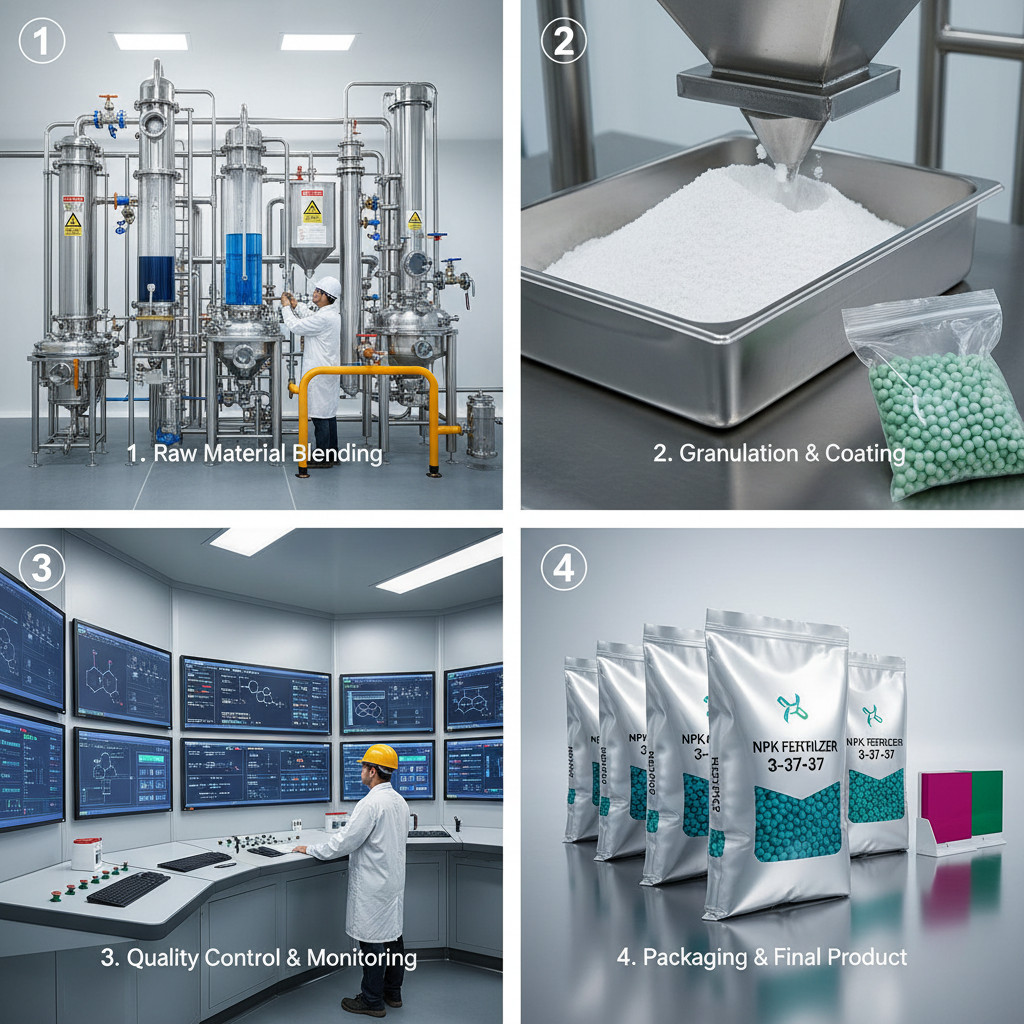
npk fertilizer 3 37 37 is a highly specialized fertilizer formulation gaining prominence in modern agriculture due to its tailored nutrient delivery. This precise blend of nitrogen (N), phosphorus (P), and potassium (K) – 3%, 37%, and 37% respectively – addresses specific plant needs, particularly during the fruiting and flowering stages. Understanding its composition and application is crucial for optimizing crop yields and quality in diverse agricultural settings.
The global demand for efficient fertilizers is steadily increasing, driven by a growing population and the need for sustainable food production. npk fertilizer 3 37 37 stands out as a solution for growers looking to maximize phosphorus and potassium uptake, contributing to enhanced root development, improved flower formation, and increased fruit set. Its specific nutrient ratios make it particularly valuable in regions with phosphorus-deficient soils.
The importance of npk fertilizer 3 37 37 lies in its ability to target critical plant processes. While nitrogen provides vegetative growth, phosphorus is essential for energy transfer and root development, and potassium regulates water balance and disease resistance. The unique 3-37-37 ratio focuses heavily on supporting these latter two functions, making it a specialized tool for specific crop requirements and growth phases.
Introduction: Global or Industry Context
The agricultural landscape is increasingly focused on maximizing resource efficiency and minimizing environmental impact. npk fertilizer 3 37 37 plays a role in this shift, offering a targeted nutrient solution compared to broad-spectrum fertilizers. According to the Food and Agriculture Organization of the United Nations (FAO), global fertilizer consumption is projected to continue rising to meet the demands of a growing population, highlighting the importance of optimizing fertilizer use for sustainable agriculture.
The specific formulation of npk fertilizer 3 37 37 addresses the critical need for enhanced phosphorus and potassium availability in many agricultural regions. Data from the World Bank indicates that phosphorus deficiencies significantly limit crop production in several parts of Africa and Asia. By providing a concentrated source of these essential nutrients, this fertilizer helps bridge these yield gaps and improve food security.
A significant challenge in modern agriculture is reducing nutrient runoff and minimizing environmental pollution. Traditional, high-nitrogen fertilizers can contribute to water contamination and greenhouse gas emissions. While npk fertilizer 3 37 37 still contains nitrogen, its lower concentration, coupled with the focus on phosphorus and potassium, can encourage more efficient nutrient uptake by plants, leading to a reduced environmental footprint when applied correctly.
Definition & Meaning
npk fertilizer 3 37 37 is a compound fertilizer containing 3% nitrogen (N), 37% phosphorus pentoxide (P₂O₅), and 37% potassium oxide (K₂O). These percentages represent the weight of each nutrient in the fertilizer. It's commonly available in granular form and is designed to be applied directly to the soil or through fertigation systems. The ratio highlights a specialized focus on providing high levels of phosphorus and potassium.
Its connection to modern agriculture lies in the recognition that different crops and growth stages require varying nutrient ratios. npk fertilizer 3 37 37 caters to plants that are heavily reliant on phosphorus and potassium, like flowering plants, fruiting vegetables, and root crops. It supports critical physiological processes such as root development, flower initiation, and fruit maturation.
From a humanitarian perspective, providing targeted fertilizer solutions like npk fertilizer 3 37 37 can improve the quality and quantity of food produced in areas facing nutritional deficiencies. Enhancing crop yields through optimized nutrient management is a vital step towards achieving global food security and reducing malnutrition.
Key Factors or Core Components
Nutrient Concentration: The high percentage of phosphorus and potassium (37% each) is the defining characteristic of npk fertilizer 3 37 37. This concentration ensures a substantial supply of these essential nutrients, reducing the amount of fertilizer needed to achieve desired results. This targeted approach is particularly beneficial for crops with high phosphorus and potassium requirements.
Solubility & Availability: The form of phosphorus and potassium used in the fertilizer formulation influences their solubility and availability to plants. High-quality npk fertilizer 3 37 37 uses readily available forms of these nutrients, ensuring quick uptake and maximizing their effectiveness. This is critical in conditions where soil pH or other factors limit nutrient availability.
Granule Size & Uniformity: The physical characteristics of the fertilizer granules impact its handling and application. Uniformly sized granules ensure consistent distribution across the field, preventing nutrient imbalances. Proper granule size also facilitates even dissolution in the soil, allowing for efficient nutrient uptake.
Compatibility & Blendability: npk fertilizer 3 37 37 can often be blended with other fertilizer components to create custom nutrient solutions tailored to specific crop needs. However, compatibility with other fertilizers and micronutrients must be considered to avoid chemical reactions that could reduce nutrient availability.
Global Applications & Use Cases
npk fertilizer 3 37 37 is extensively used in horticultural crops like tomatoes, peppers, and strawberries, where high phosphorus and potassium levels are essential for fruit development and quality. Its application is particularly common in regions with intensive vegetable farming, such as the Mediterranean basin and parts of Asia.
In the fruit orchard industry, npk fertilizer 3 37 37 is employed to promote flowering, fruit set, and overall fruit quality in crops like citrus, apples, and peaches. Regions with specialized fruit production, like California and Florida in the United States, and various areas in South America, heavily rely on this fertilizer type.
The fertilizer also finds application in plantation crops like bananas and pineapples, where potassium plays a crucial role in maintaining plant health and maximizing yield. In post-disaster relief operations following floods or earthquakes, restoring soil fertility with a targeted fertilizer like npk fertilizer 3 37 37 can be crucial for rapid agricultural recovery and food security.
npk fertilizer 3 37 37 Application Rates by Crop Type
Advantages & Long-Term Value
The primary advantage of npk fertilizer 3 37 37 is its cost-effectiveness when addressing specific nutrient deficiencies. By focusing on phosphorus and potassium, growers can avoid over-application of nitrogen, reducing fertilizer costs and minimizing environmental risks. This precision approach translates to higher returns on investment.
From a sustainability perspective, optimized nutrient management through fertilizers like npk fertilizer 3 37 37 contributes to healthier soil ecosystems. Enhanced root development, facilitated by phosphorus, improves soil structure and increases water retention. Reduced nutrient runoff minimizes water pollution, promoting environmental stewardship.
Future Trends & Innovations
Future innovations in npk fertilizer 3 37 37 will likely focus on enhancing nutrient use efficiency through controlled-release technologies. Coating fertilizer granules with polymers can regulate the release of nutrients, minimizing losses and maximizing uptake by plants. This aligns with the growing demand for sustainable agricultural practices.
Digital farming technologies, such as precision agriculture and remote sensing, will play an increasingly important role in optimizing fertilizer application. Using data-driven insights, growers can tailor npk fertilizer 3 37 37 application rates to specific areas within a field, maximizing yields while minimizing environmental impact.
Challenges & Solutions
A common challenge with npk fertilizer 3 37 37 is the potential for phosphorus fixation in certain soil types. Phosphorus can react with soil minerals, rendering it unavailable to plants. To overcome this, incorporating organic matter into the soil can improve phosphorus availability.
Another challenge is ensuring proper application rates to avoid nutrient imbalances. Soil testing and plant tissue analysis are crucial for determining the optimal amount of npk fertilizer 3 37 37 needed for specific crops and growing conditions. Working with agricultural experts can help growers develop customized fertilizer programs.
The cost of raw materials used in fertilizer production can fluctuate, impacting the price of npk fertilizer 3 37 37. Developing alternative, more sustainable sources of phosphorus and potassium, such as recovering these nutrients from waste streams, is a long-term solution to mitigate this challenge.
Frequently Asked Questions About npk fertilizer 3 37 37
| Application Method |
Soil Compatibility |
Environmental Impact |
Cost Considerations |
| What are the best ways to apply npk fertilizer 3 37 37 for optimal results? |
npk fertilizer 3 37 37 can be broadcasted, banded, or applied through fertigation. Banding near the root zone maximizes nutrient uptake. Fertigation allows for precise nutrient delivery with irrigation water. |
Is npk fertilizer 3 37 37 environmentally friendly? |
While all fertilizers have potential environmental impacts, npk fertilizer 3 37 37’s targeted formulation minimizes nitrogen runoff compared to high-nitrogen fertilizers when used responsibly. |
| What soil types is npk fertilizer 3 37 37 most effective on? |
It excels in phosphorus-deficient soils and soils with low potassium levels. Soil testing is recommended to determine specific needs. |
How does the cost of npk fertilizer 3 37 37 compare to other fertilizers? |
The cost can vary, but its concentrated nutrients often make it cost-effective for crops requiring high phosphorus and potassium. |
| Can I mix npk fertilizer 3 37 37 with other fertilizers? |
Mixing is possible, but ensure compatibility to avoid chemical reactions. Consult with an agricultural specialist. |
What are the signs of phosphorus or potassium deficiency in plants? |
Phosphorus deficiency shows as stunted growth and purplish leaves. Potassium deficiency causes leaf scorch and weak stems. |
| What is the shelf life of npk fertilizer 3 37 37? |
When stored properly in a cool, dry place, npk fertilizer 3 37 37 generally has a shelf life of several years. |
How often should I apply npk fertilizer 3 37 37? |
Application frequency depends on the crop, soil type, and growth stage. Soil testing and plant analysis will help determine the ideal schedule. |
| Is npk fertilizer 3 37 37 suitable for organic farming? |
Typically, npk fertilizer 3 37 37 is not certified for organic farming as it is synthetically produced. |
What safety precautions should I take when handling npk fertilizer 3 37 37? |
Wear gloves and eye protection. Avoid inhaling dust. Store securely away from children and pets. |
| Can npk fertilizer 3 37 37 be used for hydroponics? |
Yes, but careful monitoring of nutrient levels is essential to prevent imbalances in the hydroponic solution. |
What’s the difference between npk fertilizer 3 37 37 and other npk formulations? |
The key difference lies in the ratio of N, P, and K. 3-37-37 prioritizes phosphorus and potassium, making it ideal for flowering and fruiting plants. |
Conclusion
npk fertilizer 3 37 37 represents a targeted approach to plant nutrition, providing a concentrated source of phosphorus and potassium crucial for optimal growth, flowering, and fruiting. Its efficacy, particularly in phosphorus-deficient soils, makes it a valuable tool for modern agriculture, contributing to increased crop yields and improved food security. Understanding its specific application and benefits allows growers to maximize its potential.
Looking ahead, the integration of digital farming technologies and sustainable fertilizer production methods will further enhance the value of npk fertilizer 3 37 37. By embracing precision agriculture and exploring alternative nutrient sources, we can ensure the responsible and efficient use of this fertilizer, promoting both agricultural productivity and environmental sustainability. Visit our website at npk fertilizer 3 37 37 to learn more.