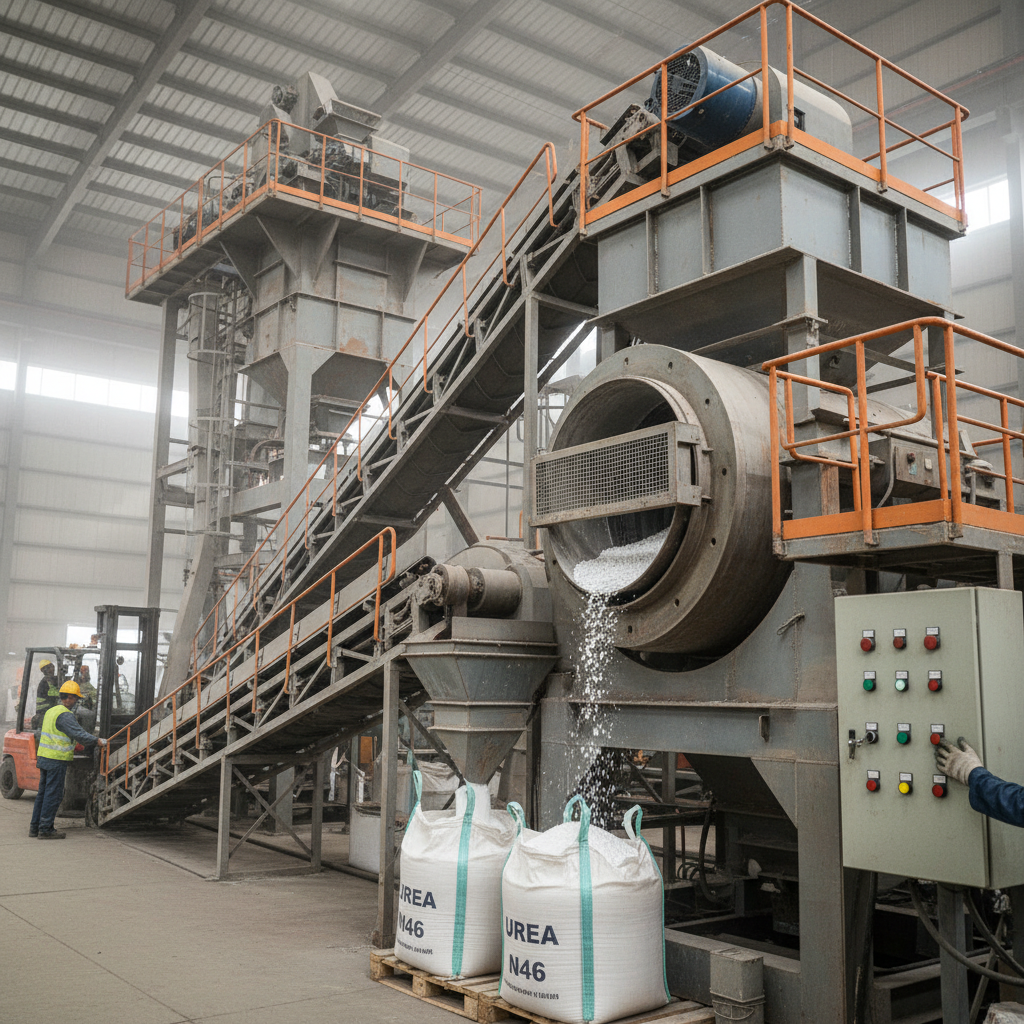
Ammonium sulphate 50 kg is a globally significant nitrogen fertilizer, crucial for supporting agricultural productivity and food security. Its widespread use stems from its affordability, high nitrogen content, and ease of application, making it a staple for farmers across diverse climates and crop types. Understanding its properties and applications is paramount for optimizing crop yields and ensuring sustainable agricultural practices worldwide.
The demand for ammonium sulphate 50 kg is consistently high, particularly in regions striving to enhance their agricultural output to meet growing populations. Factors like soil type, crop requirements, and climate conditions influence its application rates, demanding tailored agricultural strategies. This fertilizer plays a vital role in boosting yields for crops like rice, wheat, and corn, essential for global food supply chains.
Beyond agriculture, ammonium sulphate 50 kg finds application in industrial processes and even water treatment, further broadening its global relevance. As the world population continues to grow, the need for efficient and cost-effective fertilizers like ammonium sulphate 50 kg will only intensify, making its responsible production and use increasingly critical.
The Importance of Ammonium Sulphate 50 kg in Global Agriculture
Ammonium sulphate 50 kg serves as a cornerstone in modern agricultural practices, directly contributing to increased crop yields worldwide. Its availability and relatively low cost compared to other nitrogen sources make it particularly vital in developing nations where access to advanced fertilization technologies may be limited. This ensures more accessible and affordable food production.
The global impact of ammonium sulphate 50 kg extends beyond yield increases. Its application improves soil health, contributing to long-term agricultural sustainability. However, responsible usage is critical to mitigate potential environmental impacts, such as water pollution, necessitating careful management practices and adherence to recommended application rates.
Understanding Ammonium Sulphate 50 kg: Definition and Chemical Properties
Ammonium sulphate 50 kg is an inorganic salt with the chemical formula (NH₄)₂SO₄. The “50 kg” designation refers to the standard packaging size frequently utilized for transportation and storage. It's a white crystalline solid highly soluble in water, making it readily available for plant uptake. The compound provides both nitrogen and sulfur, two essential macronutrients for plant growth.
Its connection to modern industry lies in its production as a byproduct of caprolactam manufacture (used in nylon production) and various other chemical processes. This often makes it a cost-effective fertilizer option. Recognizing its role in these interconnected processes underlines the importance of responsible chemical manufacturing and resource management.
The significance for humanitarian needs stems from its ability to rapidly address nitrogen deficiencies in soils, enhancing food production in regions facing food insecurity. Its stability during storage and transport makes it a reliable choice for emergency food aid programs and agricultural rehabilitation initiatives.
Key Factors Influencing Ammonium Sulphate 50 kg Effectiveness
Several factors determine how effectively ammonium sulphate 50 kg benefits crop growth. Soil pH is paramount; ammonium sulphate 50 kg can contribute to soil acidification, so monitoring pH levels and using liming agents when necessary are crucial for optimizing nutrient availability. Correct application rates, tailored to specific crop requirements and soil analysis, are equally essential.
The method of application significantly impacts nitrogen utilization efficiency. Broadcasting, banding, or side-dressing each present different advantages depending on the crop and soil conditions. Understanding these nuances can minimize nitrogen loss through volatilization or leaching. Weather conditions, specifically rainfall and temperature, also play a crucial role in determining the effectiveness of ammonium sulphate 50 kg.
Finally, soil texture and organic matter content influence nitrogen retention. Soils with higher clay and organic matter content generally exhibit better nitrogen holding capacity, reducing losses. Integrating ammonium sulphate 50 kg with organic matter amendments can further enhance its effectiveness and promote soil health.
Global Applications and Use Cases of Ammonium Sulphate 50 kg
Ammonium sulphate 50 kg is applied extensively in major agricultural regions worldwide, including Asia (particularly China and India), Europe, and North and South America. It’s a primary fertilizer for rice cultivation in Southeast Asia, wheat production in Europe, and corn and soybean farming in the Americas.
In post-disaster relief operations, ammonium sulphate 50 kg can be quickly deployed to restore soil fertility in affected areas, enabling farmers to resume agricultural production. Remote industrial zones often rely on ammonium sulphate 50 kg to support internal landscaping and horticultural efforts. Specific regions facing sulfur deficiencies, like Australia, also heavily utilize ammonium sulphate 50 kg to address nutrient imbalances.
Furthermore, its industrial applications extend beyond caprolactam byproduct status. It's used in water purification processes as a coagulant, in the leather industry for tanning, and in fire retardant compositions, showcasing its versatility beyond the agricultural sector.
Ammonium Sulphate 50 kg Application Rates by Crop Type
Advantages and Long-Term Value of Ammonium Sulphate 50 kg
The cost-effectiveness of ammonium sulphate 50 kg is a significant advantage, particularly for farmers with limited budgets. Its high nitrogen content translates to efficient plant nutrition, leading to increased yields. Sustainability is enhanced through its use as a byproduct, reducing waste from other industrial processes.
Socially, ammonium sulphate 50 kg contributes to food security and supports rural livelihoods by enabling increased agricultural productivity. Reliability in supply, coupled with ease of handling and application, builds farmer trust and encourages consistent fertilizer usage. This overall improves farming practices and yields.
Future Trends and Innovations in Ammonium Sulphate 50 kg Application
Research is focused on developing controlled-release formulations of ammonium sulphate 50 kg to minimize nitrogen losses and maximize nutrient use efficiency. Precision agriculture techniques, leveraging sensor technology and data analytics, will enable tailored application rates based on specific crop needs and soil conditions.
The integration of digital platforms for fertilizer management will streamline ordering, application, and monitoring processes. Sustainability efforts are driving the exploration of alternative production methods and the potential for capturing and reusing ammonia, reducing the environmental footprint of ammonium sulphate 50 kg production.
Challenges and Solutions in Ammonium Sulphate 50 kg Utilization
One key challenge is the potential for soil acidification with prolonged ammonium sulphate 50 kg use. Solutions include regular soil testing and the application of liming agents to maintain optimal pH levels. Nitrogen leaching and volatilization are also concerns, addressable through controlled-release formulations and improved application techniques.
Another hurdle is the variability in product quality depending on the manufacturing source. Implementing stringent quality control standards and promoting transparency in the supply chain are essential. Finally, educating farmers about proper application rates and best management practices is crucial to maximizing benefits and minimizing environmental risks.
Developing fertilizer blends that combine ammonium sulphate 50 kg with other nutrients can provide a more balanced plant nutrition solution, addressing multiple nutrient deficiencies simultaneously.
Summary of Ammonium Sulphate 50 kg Application Challenges and Potential Solutions
| Challenge |
Impact on Ammonium Sulphate 50 kg Effectiveness |
Potential Solution |
Implementation Cost (1-10) |
| Soil Acidification |
Reduced nutrient availability, impaired microbial activity |
Regular liming, pH monitoring |
3 |
| Nitrogen Leaching |
Water pollution, reduced fertilizer efficiency |
Controlled-release formulations, optimized application timing |
6 |
| Nitrogen Volatilization |
Loss of nitrogen to the atmosphere, reduced crop uptake |
Incorporation into soil, urease inhibitors |
4 |
| Product Quality Variability |
Inconsistent nutrient content, reduced reliability |
Strict quality control standards, transparent sourcing |
7 |
| Lack of Farmer Education |
Improper application rates, suboptimal results |
Extension services, training programs |
2 |
| Environmental Concerns |
Potential for water and air pollution |
Sustainable production practices, responsible use |
5 |
FAQS
To ensure the longevity and effectiveness of ammonium sulphate 50 kg, it should be stored in a cool, dry, and well-ventilated area. Avoid exposure to direct sunlight, moisture, and extreme temperatures. Proper storage prevents caking and maintains the fertilizer’s chemical composition. Storing it in sealed bags or containers is also recommended to minimize absorption of atmospheric moisture. Follow local regulations regarding fertilizer storage.
Ammonium sulphate 50 kg's impact varies with soil type. Sandy soils benefit from its readily available nitrogen, but are prone to leaching. Clay soils retain nitrogen better but may require careful pH monitoring due to potential acidification. Loam soils offer a good balance. In alkaline soils, ammonium sulphate 50 kg can help lower pH, increasing nutrient availability. Soil testing is crucial for determining appropriate application rates for specific soil types.
Rice, wheat, tea, and sugarcane are highly responsive to ammonium sulphate 50 kg. These crops have high nitrogen demands and also benefit from the sulfur content. Vegetables like cabbage, broccoli, and onions also show good responses. The sulfur component aids in protein synthesis and chlorophyll formation. However, crop-specific needs vary, so soil analysis and expert advice are recommended.
While ammonium sulphate 50 kg is a valuable fertilizer, it's crucial to use it responsibly. Excessive application can lead to nitrogen runoff, polluting waterways. Potential soil acidification should be monitored. Adhering to recommended application rates, employing controlled-release formulations, and implementing buffer zones near water bodies minimize environmental impacts. Prioritize soil health through organic matter integration.
Generally, ammonium sulphate 50 kg is one of the more affordable nitrogen fertilizers, especially when considering its sulfur content. Prices fluctuate based on global market conditions and production costs. Urea and ammonium nitrate may be competitive, but ammonium sulphate 50 kg often offers a cost advantage in regions with sulfur-deficient soils. Regularly comparing prices from different suppliers is advisable.
Ammonium sulphate 50 kg has a relatively long shelf life if stored properly. Under ideal conditions (cool, dry, sealed), it can remain effective for several years. However, exposure to moisture can cause caking and reduce its solubility. Regularly inspect bags for damage and ensure proper storage to extend its shelf life. First-in, first-out inventory management is recommended.
Conclusion
Ammonium sulphate 50 kg remains a vital component of global agriculture, offering a cost-effective and reliable source of essential plant nutrients. Its versatility, widespread availability, and significant contribution to food security underscore its continued importance. Addressing challenges related to environmental impact and optimizing application techniques are crucial for ensuring its sustainable use.
Looking ahead, continued innovation in formulation, application methods, and integration with precision agriculture technologies will enhance the benefits of ammonium sulphate 50 kg. Prioritizing responsible production and utilization will solidify its role in supporting a growing global population while preserving environmental health. For more information and to explore our range of ammonium sulphate 50 kg products, visit our website: www.hhfertilizer.com.