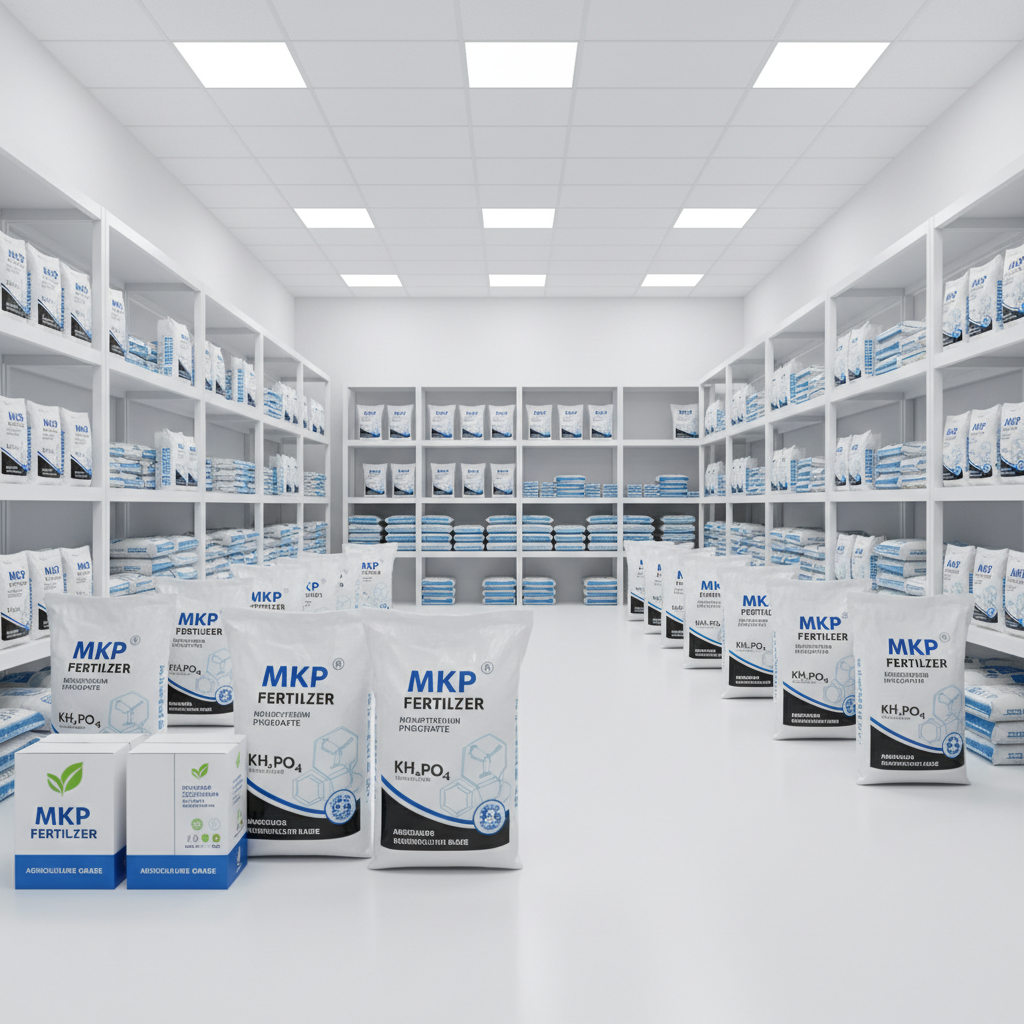
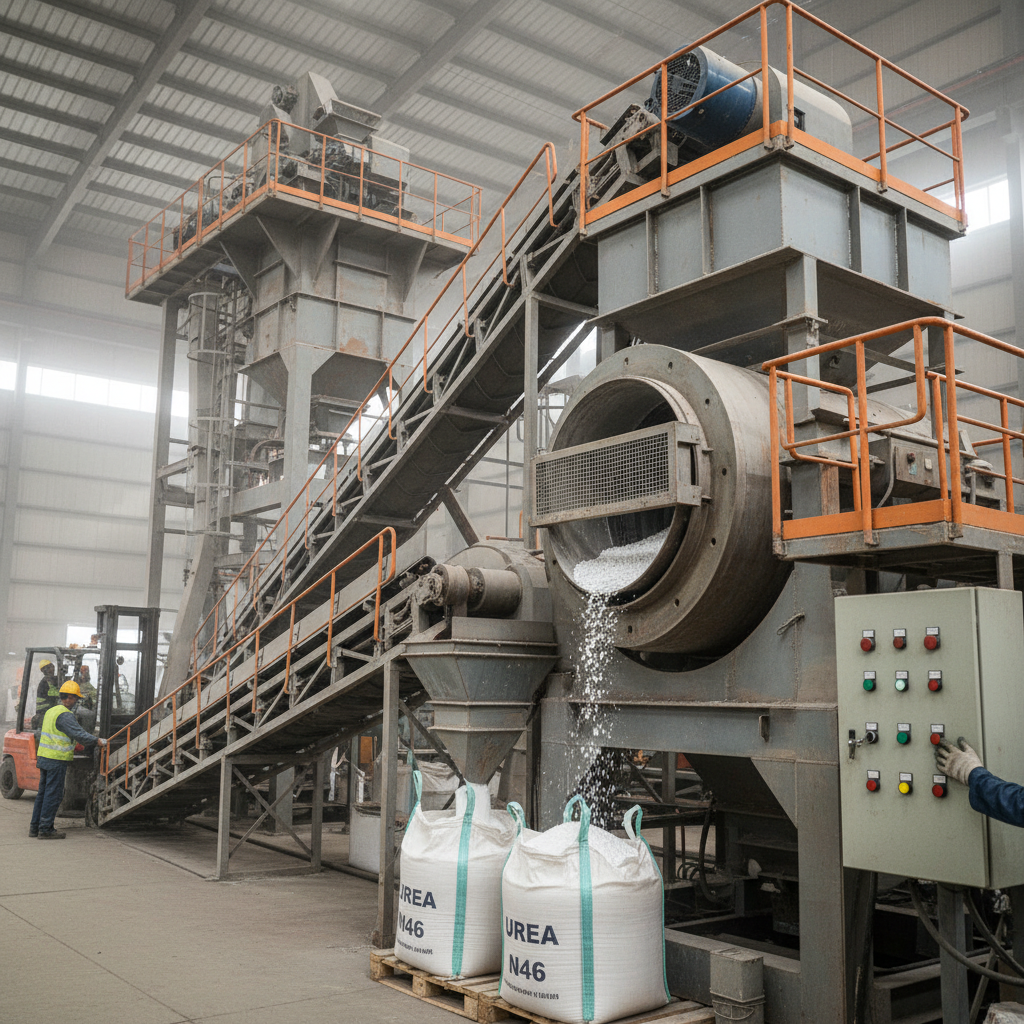
mkp fertilizer, also known as mono potassium phosphate, is a highly soluble fertilizer widely utilized in modern agriculture and horticulture. Its importance stems from providing both phosphorus and potassium – two essential macronutrients for plant growth and development. Understanding its applications and benefits is crucial for optimizing crop yields and ensuring food security globally.
The global demand for mkp fertilizer is driven by the increasing need to intensify agricultural production to feed a growing population. According to the Food and Agriculture Organization (FAO) of the United Nations, global food production must increase by 70% by 2050 to meet the demands of a projected 9.7 billion people. mkp fertilizer plays a significant role in achieving this goal by improving plant health and productivity.
Addressing challenges like nutrient deficiencies in soil and optimizing fertilizer use efficiency are paramount in sustainable agriculture. mkp fertilizer offers a targeted solution, enabling farmers to deliver precise nutrient amounts directly to plants, reducing waste and environmental impact. This makes it a vital component in modern farming practices worldwide.
Introduction to mkp fertilizer
mkp fertilizer stands out due to its complete solubility in water, making it ideal for fertigation – the application of fertilizer through irrigation systems. This characteristic ensures that nutrients are readily available to plants, maximizing uptake and minimizing losses through leaching.
The fertilizer is particularly valuable in addressing phosphorus and potassium deficiencies, which are common in many agricultural soils. Its balanced nutrient ratio supports overall plant health, promoting strong root development, enhanced flowering and fruiting, and improved stress tolerance. It is an indispensable tool for maximizing agricultural output.
Defining mkp Fertilizer
mkp fertilizer is a compound fertilizer containing mono potassium phosphate (KH2PO4). It's characterized by its high purity and lack of chloride, making it suitable for sensitive crops. Unlike some fertilizers, it doesn't contribute to sodium buildup in the soil, which can be detrimental to plant growth.
Its formulation provides a readily available source of phosphorus, crucial for energy transfer within plants and root development, and potassium, essential for water regulation, enzyme activation, and overall plant vigor. This dual-nutrient delivery system simplifies fertilizer management for growers.
In the context of modern agriculture and humanitarian needs, mkp fertilizer addresses the fundamental requirement of nutrient provision for plant life, supporting both commercial crop production and food security initiatives in regions facing nutritional challenges. mkp fertilizer is a key ingredient in modern farming.
Key Components of mkp Fertilizer
The primary component of mkp fertilizer is, as the name suggests, mono potassium phosphate. This compound delivers both phosphorus (P) and potassium (K) in a single, highly soluble form. The concentration of P2O5 (available phosphate) typically ranges from 52% to 60%, while the K2O (potassium oxide) content is around 34% to 40%.
Another crucial factor is the fertilizer's pH. mkp fertilizer typically has an acidic pH (around 4.5 to 5.5 in solution), which can help to improve the availability of micronutrients in the soil. This is particularly beneficial in alkaline soils where micronutrient deficiencies are common.
The production process of mkp fertilizer involves reacting phosphoric acid with potassium hydroxide or potassium chloride. The resulting solution is then concentrated and crystallized to form the final product. Quality control measures ensure the purity and consistency of the fertilizer, guaranteeing reliable nutrient delivery.
Global Applications of mkp Fertilizer
mkp fertilizer is used extensively in a wide range of agricultural settings worldwide. In North and South America, it is commonly applied to fruit and vegetable crops to enhance yields and improve fruit quality. European growers utilize it for greenhouse production, capitalizing on its high solubility for fertigation.
In Asia, particularly in countries like China and India, mkp fertilizer is crucial for rice, wheat, and other staple crop production. Its application helps to overcome nutrient deficiencies in intensively farmed soils. Demand continues to increase as populations grow and food security becomes more critical.
mkp Fertilizer Application Methods and Effectiveness
Advantages and Long-Term Value
The key advantage of mkp fertilizer is its high solubility, which allows for efficient nutrient uptake by plants, minimizing waste and maximizing yield. This directly translates into cost savings for farmers by reducing the amount of fertilizer needed to achieve desired results.
From a sustainability perspective, mkp fertilizer's efficient nutrient use reduces the risk of environmental pollution caused by fertilizer runoff. By providing targeted nutrition, it contributes to healthier plant ecosystems and promotes responsible agricultural practices. It also ensures the longevity of soil fertility.
Future Trends in mkp Fertilizer Use
The future of mkp fertilizer lies in precision agriculture and integrated nutrient management systems. Combining mkp fertilizer application with sensor technology and data analytics will enable farmers to tailor nutrient delivery to the specific needs of their crops, optimizing resource use and maximizing yields.
Research and development are focusing on enhancing the efficiency of mkp fertilizer through controlled-release formulations and nano-fertilizer technologies. These innovations aim to further reduce nutrient losses and improve plant uptake, contributing to more sustainable agricultural practices.
Challenges and Solutions in mkp Fertilizer Application
One challenge associated with mkp fertilizer is the potential for nutrient imbalances if not applied correctly. Excessive potassium can interfere with the uptake of other essential nutrients, such as magnesium and calcium. Proper soil testing and balanced fertilization programs are essential to mitigate this risk.
Another challenge is the cost of mkp fertilizer, which can be higher than some other fertilizer sources. Utilizing efficient application techniques like fertigation and adopting integrated nutrient management strategies can help to offset these costs by maximizing nutrient use efficiency.
Further advancements in fertilizer technology and formulation can address these challenges, leading to more sustainable and efficient agricultural practices. Implementing educational programs for farmers on best management practices for mkp fertilizer application is also crucial for long-term success.
Summary of mkp Fertilizer Application Challenges and Solutions
| Challenge |
Impact on mkp Fertilizer Use |
Proposed Solution |
Expected Outcome |
| Nutrient Imbalance |
Reduced crop yields, impaired plant health |
Soil testing, balanced fertilization programs |
Optimized nutrient uptake, improved crop performance |
| High Fertilizer Cost |
Reduced profitability for farmers |
Efficient application techniques (fertigation), integrated nutrient management |
Lower fertilizer input costs, increased profits |
| Environmental Pollution |
Water contamination, soil degradation |
Controlled-release formulations, precision agriculture |
Reduced nutrient runoff, minimized environmental impact |
| Lack of Farmer Knowledge |
Inefficient fertilizer use, suboptimal yields |
Educational programs, extension services |
Improved fertilizer management practices, increased yields |
| Soil pH Issues |
Reduced nutrient availability |
Soil amendments, pH-adjusting fertilizers |
Enhanced nutrient availability, improved plant growth |
| Logistical Challenges |
Delayed fertilizer delivery, increased costs |
Improved supply chain management, local production |
Timely fertilizer delivery, reduced transportation costs |
FAQS
The optimal application rate for mkp fertilizer in tomato production varies depending on soil type, growth stage, and desired yield. However, a general recommendation is to apply 100-200 kg of P2O5 and 150-300 kg of K2O per hectare. Split applications throughout the growing season, especially during flowering and fruiting, are most effective. Soil testing is crucial to determine specific nutrient needs and adjust the application rate accordingly.
Yes, mkp fertilizer is highly suitable for foliar application due to its excellent solubility. Foliar feeding with mkp fertilizer can provide a quick boost of phosphorus and potassium, particularly during periods of nutrient stress or rapid growth. A typical foliar application rate is 1-2% solution (10-20g per liter of water), applied at weekly intervals.
mkp fertilizer is generally compatible with most water-soluble fertilizers. However, it’s recommended to conduct a jar test before mixing large volumes to ensure compatibility and prevent precipitation. Avoid mixing mkp fertilizer with fertilizers containing calcium or magnesium, as this can lead to the formation of insoluble compounds.
mkp fertilizer is an excellent choice for hydroponic systems due to its complete solubility and lack of chloride. It provides readily available phosphorus and potassium, essential for healthy plant growth in soilless media. Its high purity minimizes the risk of nutrient imbalances and ensures optimal nutrient uptake by plant roots.
mkp fertilizer solutions typically have an acidic pH (around 4.5-5.5), which can enhance the solubility and availability of micronutrients like iron, zinc, and manganese. However, it's important to monitor the pH of the nutrient solution and adjust as needed to maintain optimal nutrient uptake. A pH range of 5.5-6.5 is generally ideal for most hydroponic crops.
mkp fertilizer should be stored in a cool, dry, and well-ventilated area, away from direct sunlight and moisture. Keep the container tightly closed to prevent caking and maintain the fertilizer's solubility. Avoid storing mkp fertilizer near incompatible materials, such as strong oxidizing agents.
Conclusion
In conclusion, mkp fertilizer stands as a critical component of modern agriculture, providing a readily available and highly soluble source of essential phosphorus and potassium. Its versatility across various application methods, from fertigation to foliar sprays, and its suitability for diverse crops make it an indispensable tool for growers worldwide. Understanding its benefits and proper application techniques is vital for maximizing crop yields and promoting sustainable agricultural practices.
Looking ahead, continued innovation in fertilizer technology, coupled with a greater emphasis on precision agriculture and integrated nutrient management, will further unlock the potential of mkp fertilizer. Investing in research and development, along with educating farmers on best management practices, will be crucial for ensuring its long-term sustainability and contribution to global food security. Visit our website at www.hhfertilizer.com to learn more about our mkp fertilizer products and services.