Humic acid flakes represent a significant advancement in soil health and plant nutrition, offering a concentrated source of beneficial organic compounds. Globally, the demand for sustainable agricultural practices is escalating, driven by concerns over food security, environmental degradation, and the limitations of synthetic fertilizers. humic acid flakes provide a natural solution to improve soil structure, enhance nutrient uptake, and boost crop yields, addressing these critical challenges head-on. This makes them a key component in modern, eco-conscious farming techniques worldwide.
The agricultural sector faces increasing pressure to produce more food with fewer resources. Traditional farming methods often deplete soil organic matter, leading to reduced fertility and increased reliance on chemical inputs. This negatively impacts both the environment and the long-term sustainability of food production. humic acid flakes offer a viable alternative, restoring soil health and reducing the need for synthetic fertilizers, pesticides, and herbicides.
Understanding the benefits of humic acid flakes is therefore crucial for farmers, agronomists, and policymakers alike. Their application extends beyond agriculture, finding utility in environmental remediation, animal health, and even industrial processes. This versatility, combined with their environmental benefits, positions them as a vital resource in the pursuit of a more sustainable and resilient future.
Defining Humic Acid Flakes & Their Significance
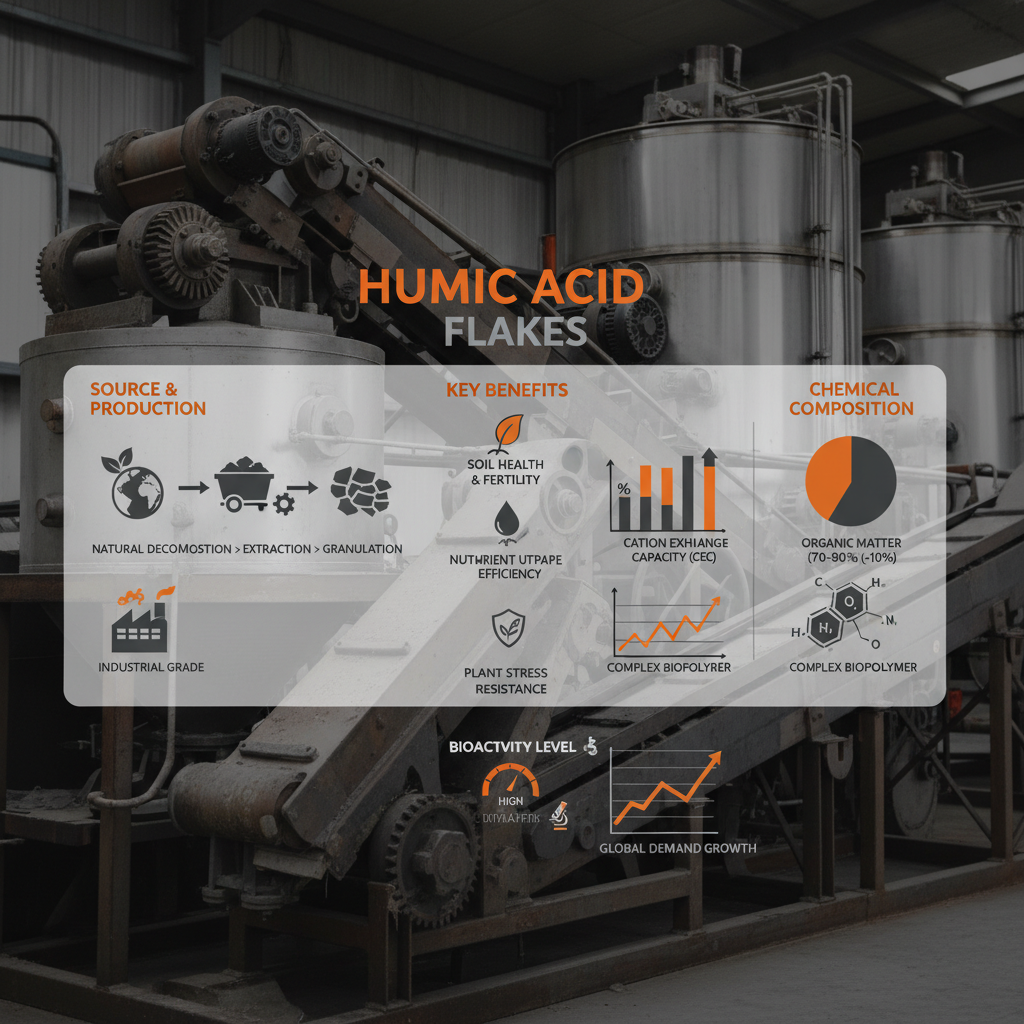
Humic acid flakes are a highly concentrated form of humic substances extracted from leonardite, a naturally oxidized form of lignite. These flakes are composed of complex organic molecules that improve soil structure, enhance nutrient availability, and stimulate plant growth. Their flake form offers ease of handling, storage, and application compared to liquid humic acid solutions.
Their significance lies in their ability to address a wide range of agricultural and environmental challenges. Unlike synthetic fertilizers, humic acid flakes don’t just provide nutrients; they improve the soil’s inherent capacity to retain and deliver those nutrients to plants, promoting long-term soil health and reducing reliance on external inputs. They represent a key component of regenerative agriculture practices.
Global Relevance and Agricultural Impact
The global agricultural landscape is undergoing a significant transformation, with a growing emphasis on sustainable and organic farming methods. The United Nations' Sustainable Development Goals, particularly those related to food security and environmental protection, are driving demand for eco-friendly agricultural inputs. humic acid flakes directly contribute to achieving these goals by improving soil health and reducing the environmental impact of agriculture.
According to the World Bank, soil degradation affects over 20% of the world’s agricultural land, impacting crop yields and threatening food security. The application of humic acid flakes helps to reverse this trend by restoring soil organic matter, improving water retention, and enhancing nutrient cycling. This is particularly crucial in regions facing drought and desertification.
The increased adoption of precision agriculture and soil health monitoring technologies further amplifies the relevance of humic acid flakes. By understanding the specific needs of their soils, farmers can optimize the application of these flakes, maximizing their benefits and minimizing waste, leading to a more efficient and sustainable agricultural system.
The Composition and Formation of Humic Acid Flakes
Humic acid flakes are not a single compound, but rather a complex mixture of organic molecules formed through the decomposition of plant and animal matter over millennia. The primary components include humic acids, fulvic acids, and humin, each with unique properties and benefits. Leonardite, the source material, is characterized by its high humic acid content.
The formation process involves several stages of biochemical transformation, including humification, where organic materials are broken down by microorganisms and transformed into stable humic substances. The resulting material is then extracted and processed into flake form, concentrating the beneficial humic acids. The quality of the flakes is heavily reliant on the source of the Leonardite.
ISO standards regulate the classification and quality control of humic substances, ensuring that products meet specific criteria for humic acid content, heavy metal levels, and other important parameters. Choosing humic acid flakes that meet these standards is crucial for guaranteeing their efficacy and safety.
Key Factors Influencing Humic Acid Flake Effectiveness
Several factors determine the effectiveness of humic acid flakes in different applications. The source and quality of the leonardite used in production are paramount, impacting the concentration of humic acids and the presence of beneficial trace elements. Particle size and solubility also play a critical role in nutrient availability.
Soil type significantly influences the response to humic acid flakes. Sandy soils benefit greatly from their ability to improve water retention, while clay soils experience enhanced aeration and improved structure. The existing organic matter content of the soil also affects the rate of decomposition and the overall impact of the flakes.
Humic Acid Flake Effectiveness Based on Application Method
Applications Across Diverse Industries
While primarily used in agriculture, the applications of humic acid flakes extend to various other sectors. Environmental remediation benefits from their ability to chelate heavy metals, reducing their bioavailability and mitigating contamination in soil and water.
In animal husbandry, humic acid flakes can improve gut health, enhance nutrient absorption, and boost the immune system of livestock. Their use as a feed additive promotes faster growth rates and reduces the need for antibiotics. They are also finding use in aquaculture, promoting healthier fish populations.
Advantages and Long-Term Benefits
The advantages of using humic acid flakes are multifaceted. Economically, they can reduce fertilizer costs while simultaneously increasing crop yields. Environmentally, they promote soil health, reduce pollution, and conserve water. Socially, they contribute to food security and sustainable agriculture practices.
The long-term benefits are equally compelling. Healthy soils sequester carbon, mitigating climate change. Reduced reliance on synthetic inputs protects biodiversity and minimizes the environmental impact of agriculture. Improved crop quality and nutritional value enhance human health and well-being. humic acid flakes are an investment in a more sustainable and resilient future.
Beyond these tangible benefits, using humic acid flakes fosters a sense of stewardship for the land and promotes a responsible approach to resource management. This builds trust between producers and consumers, leading to a more sustainable and ethical food system.
Future Trends and Innovations in Humic Acid Technology
Research and development efforts are focused on enhancing the efficacy of humic acid flakes through nanotechnology and targeted delivery systems. Nano-encapsulation of humic acids can improve their solubility, bioavailability, and protection against degradation.
The integration of humic acid flakes with biochar and other soil amendments is also gaining traction, creating synergistic effects that further improve soil health and nutrient retention. Digital agriculture platforms are enabling precise application rates based on soil analysis and crop needs, maximizing the benefits of these flakes.
The growing demand for organic and sustainable agriculture will continue to drive innovation in humic acid technology, leading to the development of new and improved products and application methods. The push towards circular economy principles will also influence the sourcing and processing of humic acid flakes, ensuring environmentally responsible practices.
FAQS
The optimal application rate varies depending on soil type, crop, and existing organic matter content. Generally, rates range from 50-200 kg per hectare, applied as a soil drench, foliar spray, or seed treatment. Soil testing is recommended to determine the specific needs of your soil and ensure optimal results. Over-application is unlikely to cause harm, but may not provide significant additional benefits.
Yes, humic acid flakes can be effectively used in conjunction with synthetic fertilizers. They improve nutrient uptake efficiency, reducing the amount of fertilizer needed and minimizing nutrient runoff. This synergistic effect leads to enhanced plant growth and reduced environmental impact. In many cases, the fertilizer rate can be lowered by up to 25% when using humic acid flakes.
Yes, humic acid flakes are generally considered safe for the environment. They are derived from natural sources and are biodegradable. They do not contribute to soil or water pollution and can even help remediate contaminated soils by chelating heavy metals. However, it’s important to select products that meet ISO standards for purity and heavy metal content.
The benefits of humic acid flakes can last for several growing seasons. They improve soil structure and organic matter content, creating a more resilient and fertile soil environment. While the initial effects are often visible within weeks, the long-term benefits continue to accrue with repeated applications. Regular soil testing is recommended to monitor changes and adjust application rates as needed.
Both humic acid and fulvic acid are components of humic substances, but they differ in their molecular weight and solubility. Fulvic acid has a lower molecular weight and is more soluble, allowing it to be readily absorbed by plants. Humic acid has a higher molecular weight and works more to improve soil structure. humic acid flakes typically contain both humic and fulvic acids, providing a comprehensive range of benefits.
Humic acid flakes should be stored in a cool, dry place, away from direct sunlight and moisture. Proper storage prevents caking and maintains their solubility. It's recommended to keep them in a sealed container to protect them from contamination. When stored correctly, humic acid flakes have a shelf life of several years.
Conclusion
humic acid flakes offer a powerful and sustainable solution to enhance soil health, improve crop yields, and reduce the environmental impact of agriculture. Their versatility extends beyond farming, finding applications in environmental remediation and animal health. By restoring soil organic matter, improving nutrient availability, and boosting plant growth, these flakes contribute to a more resilient and productive agricultural system.
Looking ahead, continued research and innovation will unlock even greater potential for humic acid technology. Investing in sustainable practices, such as the use of humic acid flakes, is crucial for ensuring food security, protecting the environment, and building a more sustainable future. Visit our website at www.hhfertilizer.com to learn more and explore our range of products.