Ammonium sulphate powder, a versatile chemical compound, plays a critical role in global agriculture as a nitrogen-rich fertilizer. Its widespread use contributes significantly to increased crop yields, supporting food security worldwide. Beyond agriculture, its applications extend into various industrial processes, highlighting its importance in modern economies. Understanding its properties, production, and application is essential for sustainable agricultural practices and efficient industrial operations.
The demand for ammonium sulphate powder continues to rise with the growing global population and the increasing need for efficient food production. While effective, responsible application and environmental considerations are paramount. The industry faces challenges related to production costs, transportation logistics, and minimizing environmental impact, driving ongoing research and innovation for sustainable solutions.
This comprehensive guide delves into the multifaceted world of ammonium sulphate powder, exploring its characteristics, uses, advantages, and future trends. We will examine its importance across different sectors, discuss the challenges associated with its use, and provide insights into emerging technologies aimed at optimizing its benefits while minimizing its environmental footprint.
Global Relevance of Ammonium Sulphate Powder
Ammonium sulphate powder is a globally traded commodity, with production concentrated in countries like China, India, Russia, and the United States. According to the UN's Food and Agriculture Organization (FAO), nitrogenous fertilizers, including ammonium sulphate, are essential for maintaining global food production levels. The World Bank estimates that fertilizer use accounts for approximately 60% of crop yield increases worldwide. This highlights the critical role of ammonium sulphate in supporting agricultural productivity and addressing food security challenges.
A significant challenge lies in balancing the benefits of increased crop yields with the potential environmental consequences associated with fertilizer runoff. Excessive nitrogen levels in waterways can lead to eutrophication, impacting aquatic ecosystems. Therefore, sustainable fertilizer management practices and the development of more efficient application methods are crucial to mitigate these risks. The ISO 14001 standard provides a framework for environmental management systems within fertilizer production facilities, promoting responsible manufacturing processes.
Defining Ammonium Sulphate Powder
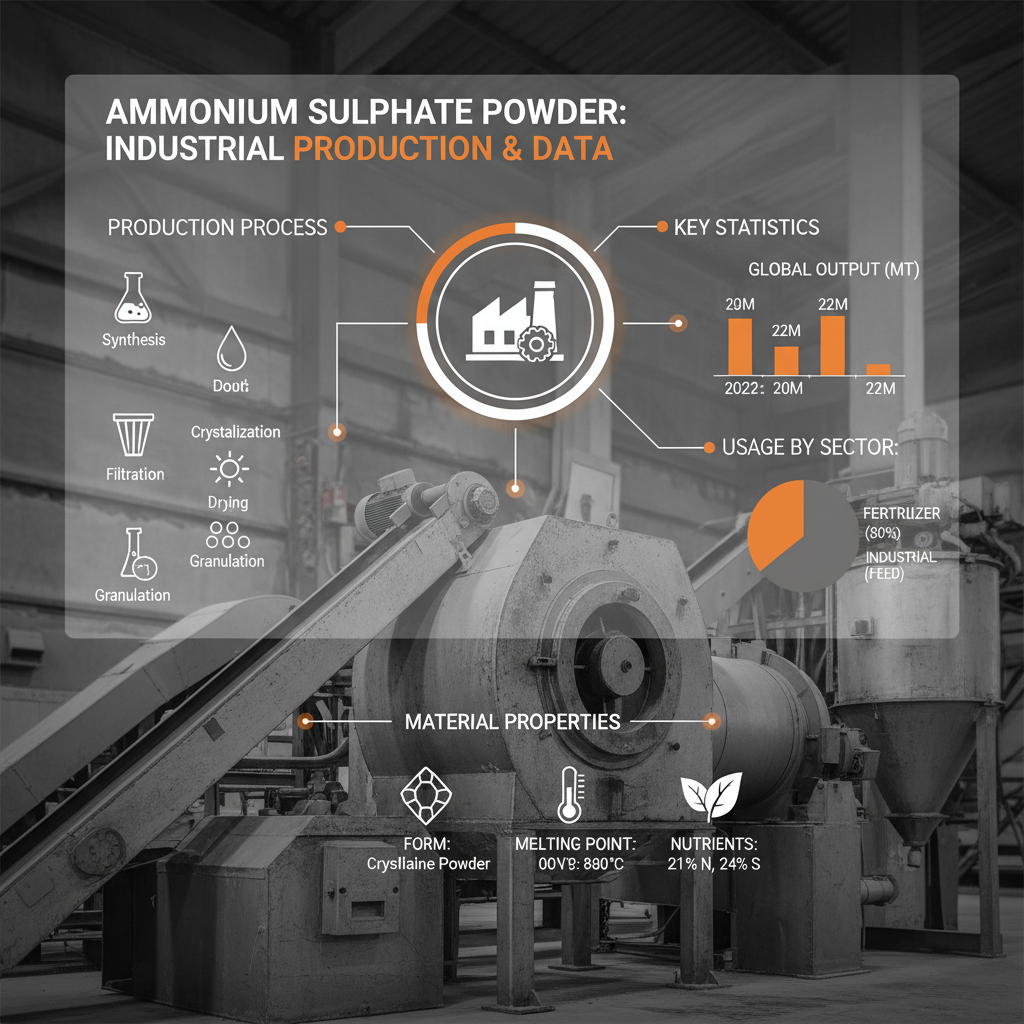
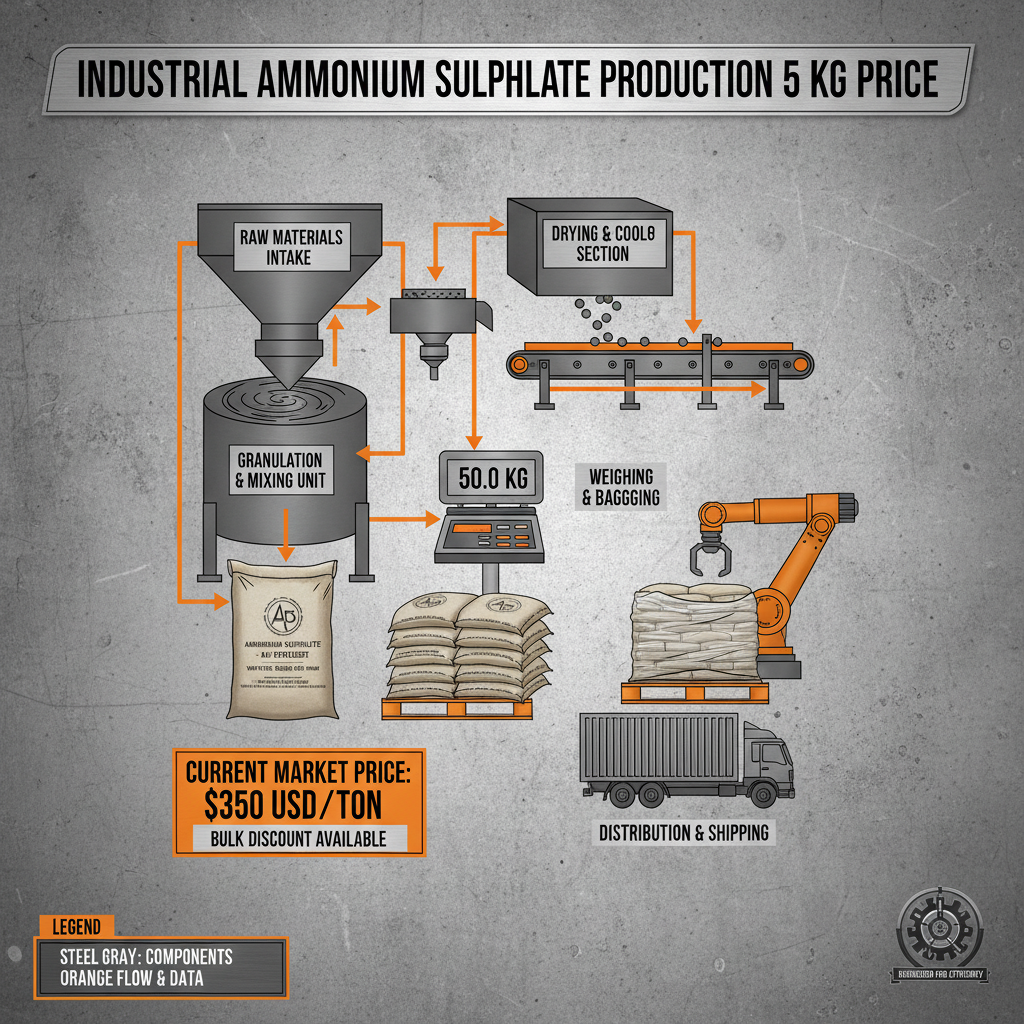
Ammonium sulphate powder is an inorganic salt with the chemical formula (NH₄)₂SO₄. It's a white crystalline solid highly soluble in water. It is produced as a byproduct of coke production and caprolactam production and is also made directly by reacting ammonia and sulfuric acid. Its primary function is as a source of nitrogen for plant nutrition, but it also provides sulfur, another essential nutrient for plant growth.
The connection to modern industry is substantial; ammonium sulphate powder isn't solely an agricultural input. It's used in water treatment, as a flame retardant, and in the textile industry. Its versatility contributes to a wide range of economic sectors. The growing demand reflects a broader need for efficient and cost-effective solutions in both agriculture and industrial applications.
In humanitarian contexts, ammonium sulphate can be a vital tool for quickly restoring soil fertility in areas affected by natural disasters or conflict, enabling rapid food production and supporting recovery efforts. Its relatively low cost and ease of transport make it a practical choice for emergency agricultural interventions.
Core Characteristics of Ammonium Sulphate Powder
Ammonium sulphate powder possesses several key characteristics that make it a valuable agricultural and industrial resource. One of the most important is its high nitrogen content (around 21%), providing plants with a readily available source of this essential nutrient. It also contains approximately 24% sulfur, further enhancing its value as a fertilizer.
Another crucial characteristic is its physical form – a fine powder that readily dissolves in water, allowing for easy application through various methods like broadcasting, banding, and fertigation. Its acidic nature can also be beneficial in neutralizing alkaline soils, improving nutrient availability. It's important to note that while effective, the acidic nature should be considered in soil management practices.
The granular form of ammonium sulphate, while less common, offers reduced dust and improved handling characteristics, making it suitable for specific application methods. The hygroscopic nature – its ability to absorb moisture from the air – requires careful storage to prevent caking and maintain product quality. Finally, its relatively low cost compared to other nitrogen fertilizers contributes to its widespread use, particularly in developing countries.
Key Factors Influencing Ammonium Sulphate Powder Application
The effectiveness of ammonium sulphate powder application is significantly influenced by several factors. Soil type plays a critical role; sandy soils, with their lower nutrient retention capacity, benefit from split applications to minimize nitrogen losses through leaching. Clay soils, on the other hand, retain nutrients more effectively, allowing for larger single applications.
Ammonium Sulphate Powder Application Methods - Efficiency Ratings
Global Applications and Use Cases
Beyond its core use as a fertilizer, ammonium sulphate powder finds diverse applications across various sectors. In agriculture, it’s commonly used for crops like rice, wheat, tea, and sugarcane, where sulfur deficiency is prevalent. In forestry, it can promote healthy tree growth, especially in sulfur-deficient soils.
Its industrial applications are extensive, including use as a component in fire extinguishing powders, as a wood preservative, and in the tanning of leather. In water treatment, it acts as a flocculant, aiding in the removal of impurities. In post-disaster relief operations, rapid-release fertilizer formulations containing ammonium sulphate powder are critical for restoring agricultural production in affected areas.
Regions with intensive agricultural practices, such as Southeast Asia and parts of South America, are major consumers of ammonium sulphate. Organizations like the World Food Programme often utilize ammonium sulphate-based fertilizers in food security initiatives, particularly in regions facing chronic food shortages.
Advantages and Long-Term Value
The advantages of utilizing ammonium sulphate powder are multifaceted. Cost-effectiveness is a significant benefit, making it accessible to a wider range of farmers, especially in developing countries. Its relatively high nitrogen and sulfur content contribute to increased crop yields and improved crop quality. Furthermore, its acidic nature can help correct alkaline soil conditions, improving nutrient availability and promoting plant growth.
From a long-term perspective, responsible use of ammonium sulphate powder can contribute to sustainable agricultural practices by improving soil health and reducing the need for excessive fertilizer application. The availability of granular forms reduces dust and improves handling safety, contributing to better worker conditions. Investing in efficient application technologies and promoting best management practices can further enhance its long-term value and minimize environmental impact.
Future Trends and Innovations
Several key trends are shaping the future of ammonium sulphate powder production and application. The development of enhanced efficiency fertilizers (EEFs) is a major area of innovation, aiming to reduce nitrogen losses and improve nutrient uptake. These fertilizers often incorporate nitrification inhibitors, slowing down the conversion of ammonium to nitrate, and minimizing leaching.
The integration of digital technologies, such as precision agriculture and remote sensing, is enabling more targeted and efficient fertilizer application. Data-driven insights into soil conditions and crop needs allow for optimized fertilizer rates and timing, reducing environmental impact and maximizing crop yields. Sustainable production methods, including utilizing renewable energy sources and minimizing waste generation, are also gaining traction. The increasing focus on circular economy principles is driving the exploration of recovering ammonium sulphate from industrial waste streams.
Analysis of Ammonium Sulphate Powder Production and Application Challenges
| Challenge Area |
Severity (1-10) |
Potential Impact |
Mitigation Strategies |
| Production Cost Fluctuations |
7 |
Reduced Farmer Profitability |
Diversify Supply Chains, Invest in Efficiency |
| Environmental Runoff |
9 |
Water Pollution, Eutrophication |
EEFs, Precision Application |
| Storage & Handling Issues |
6 |
Caking, Dust, Safety Concerns |
Improved Storage Facilities, Granular Forms |
| Transportation Logistics |
5 |
Increased Costs, Delays |
Optimize Transportation Routes, Local Production |
| Soil Acidity Concerns |
4 |
Nutrient Imbalances |
Soil Testing, Lime Application |
| Regulatory Compliance |
8 |
Legal Risks, Market Access |
Adherence to Standards, Documentation |
FAQS
Ammonium sulphate lowers soil pH, making it best suited for alkaline soils (pH above 7). An ideal range for optimal nutrient availability with ammonium sulphate is between 6.0 and 6.5. Regularly monitoring soil pH is crucial to prevent excessive acidification, which can hinder the uptake of other essential nutrients. Soil testing is recommended before and after application to ensure the pH remains within an acceptable range.
While both provide nitrogen, they differ in their chemical forms and effects on the soil. Urea requires conversion to ammonium by soil microbes, while ammonium sulphate provides nitrogen directly as ammonium. Ammonium sulphate is less prone to volatilization losses compared to urea, particularly in warm weather. Furthermore, ammonium sulphate provides sulfur, a nutrient urea does not. Choosing between them depends on soil pH, crop needs, and environmental conditions.
Ammonium sulphate is beneficial for a wide range of crops, especially those with high nitrogen and sulfur requirements like rice, wheat, tea, and canola. However, it's not always ideal for all crops. For instance, certain acid-sensitive crops may not thrive in soils treated with high doses of ammonium sulphate. Soil testing and considering the specific nutrient needs of each crop are essential for determining suitability.
The primary environmental concern is nitrogen runoff, leading to water pollution and eutrophication. Excessive application can also contribute to soil acidification. Mitigation strategies include using enhanced efficiency fertilizers, employing precision agriculture techniques, and implementing best management practices to minimize nutrient losses. Proper storage and handling also prevent spills and contamination.
Ammonium sulphate is hygroscopic, meaning it absorbs moisture from the air, leading to caking and reduced flowability. Store it in a cool, dry, and well-ventilated area, away from direct sunlight and rain. Use airtight containers or cover piles with waterproof tarpaulins. Proper storage prevents product degradation and ensures its effectiveness when applied.
Regulations surrounding ammonium sulphate use in organic farming vary. Generally, purely synthetic ammonium sulphate is not permitted in certified organic systems. However, some organic standards may allow ammonium sulphate derived from natural sources as a component of approved organic fertilizers. It's crucial to check with specific organic certification bodies for compliance.
Conclusion
Ammonium sulphate powder remains a cornerstone of global agriculture and a vital component in various industrial processes. Its cost-effectiveness, high nutrient content, and versatility ensure its continued importance in addressing food security challenges and supporting economic growth. However, responsible application, coupled with innovative technologies and sustainable practices, is essential to mitigate potential environmental impacts and maximize its long-term benefits.
Looking ahead, advancements in enhanced efficiency fertilizers, precision agriculture, and circular economy principles will further enhance the value of ammonium sulphate powder. Continued research and development focused on optimizing its production, application, and environmental compatibility will be crucial for ensuring its sustainable use for generations to come. For more information about our ammonium sulphate powder products and services, visit our website today.