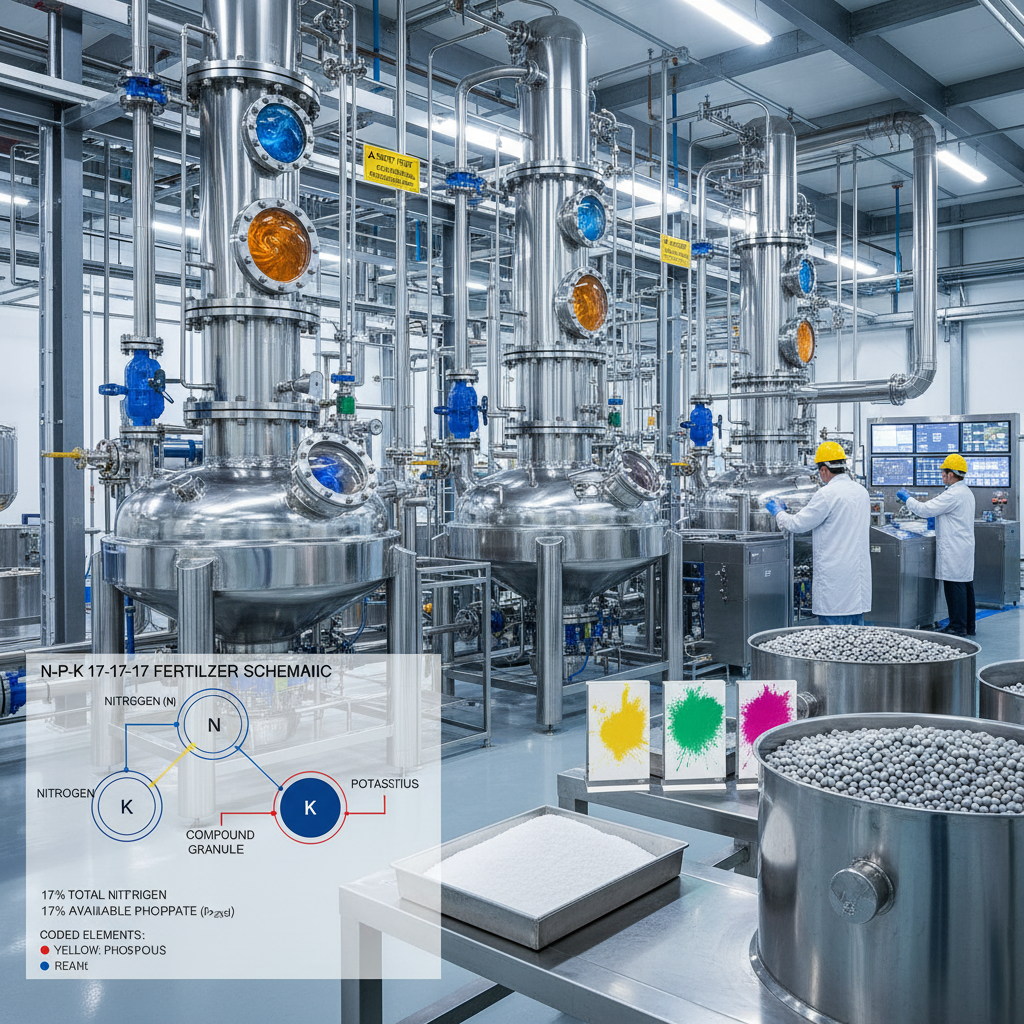
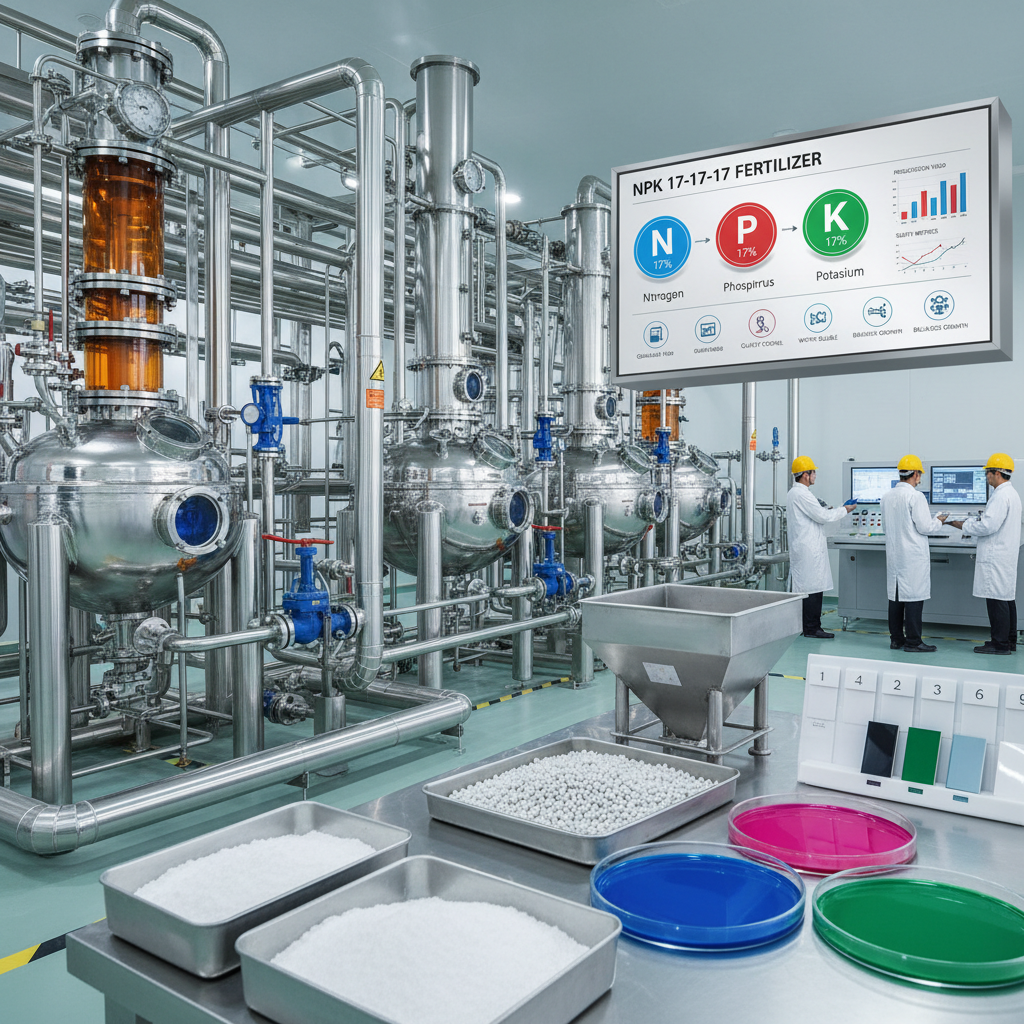
Nitrogen, phosphorus, and potassium (NPK) are the three primary nutrients essential for plant growth, and the 17-17-17 ratio represents a balanced fertilizer containing equal percentages of each. `npk 17-17-17 fertilizer` plays a critical role in global agriculture, supporting food production and ensuring crop yields meet the demands of a growing population. Understanding its composition, application, and benefits is vital for farmers, agronomists, and anyone involved in plant cultivation.
The demand for `npk 17-17-17 fertilizer` is driven by the need to replenish soil nutrients depleted through farming and to optimize plant development across a wide range of crops. Globally, fertilizer use has increased significantly over the past decades, alongside advances in agricultural technology, demonstrating its importance in modern food systems. Ensuring efficient and responsible use of this fertilizer is crucial for sustainability and minimizing environmental impact.
This versatile fertilizer is suitable for diverse agricultural practices, including broadacre farming, horticulture, and home gardening. Its balanced nutrient profile makes it a particularly valuable option for plants requiring a comprehensive nutrient supply, contributing to robust growth, increased flowering, and improved fruit quality. The availability and cost-effectiveness of `npk 17-17-17 fertilizer` further solidify its position as a foundational input in agricultural production worldwide.
The Importance of NPK 17-17-17 Fertilizer in Global Agriculture
`npk 17-17-17 fertilizer` is fundamental to modern agricultural practices. With a global population projected to reach nearly 10 billion by 2050 (UN estimates), the demand for food is constantly increasing. This necessitates maximizing crop yields through efficient nutrient management, and a balanced fertilizer like NPK 17-17-17 provides a convenient and effective solution. The World Bank highlights the critical role of fertilizer in increasing agricultural productivity and reducing food insecurity in developing nations.
However, the challenge lies in balancing increased agricultural output with environmental sustainability. Over-reliance on synthetic fertilizers can lead to soil degradation, water pollution, and greenhouse gas emissions. Therefore, understanding the optimal application rates, timing, and methods for `npk 17-17-17 fertilizer` is crucial to minimize negative impacts and ensure long-term agricultural viability.
Defining NPK 17-17-17 Fertilizer: A Comprehensive Overview
`npk 17-17-17 fertilizer` is a compound fertilizer containing 17% nitrogen (N), 17% phosphorus (P2O5), and 17% potassium (K2O) by weight. These three macronutrients are essential for plant growth and development, each playing distinct roles. Nitrogen promotes leafy growth and chlorophyll production, phosphorus supports root development and flowering, and potassium regulates water balance and overall plant health.
The '17-17-17' designation signifies a balanced formulation, making it suitable for a wide range of plants and soil types. Unlike fertilizers with higher concentrations of specific nutrients, this ratio provides a comprehensive nutrient supply, addressing multiple plant needs simultaneously. This balanced approach is especially beneficial during initial growth stages and for plants with generalized nutrient requirements.
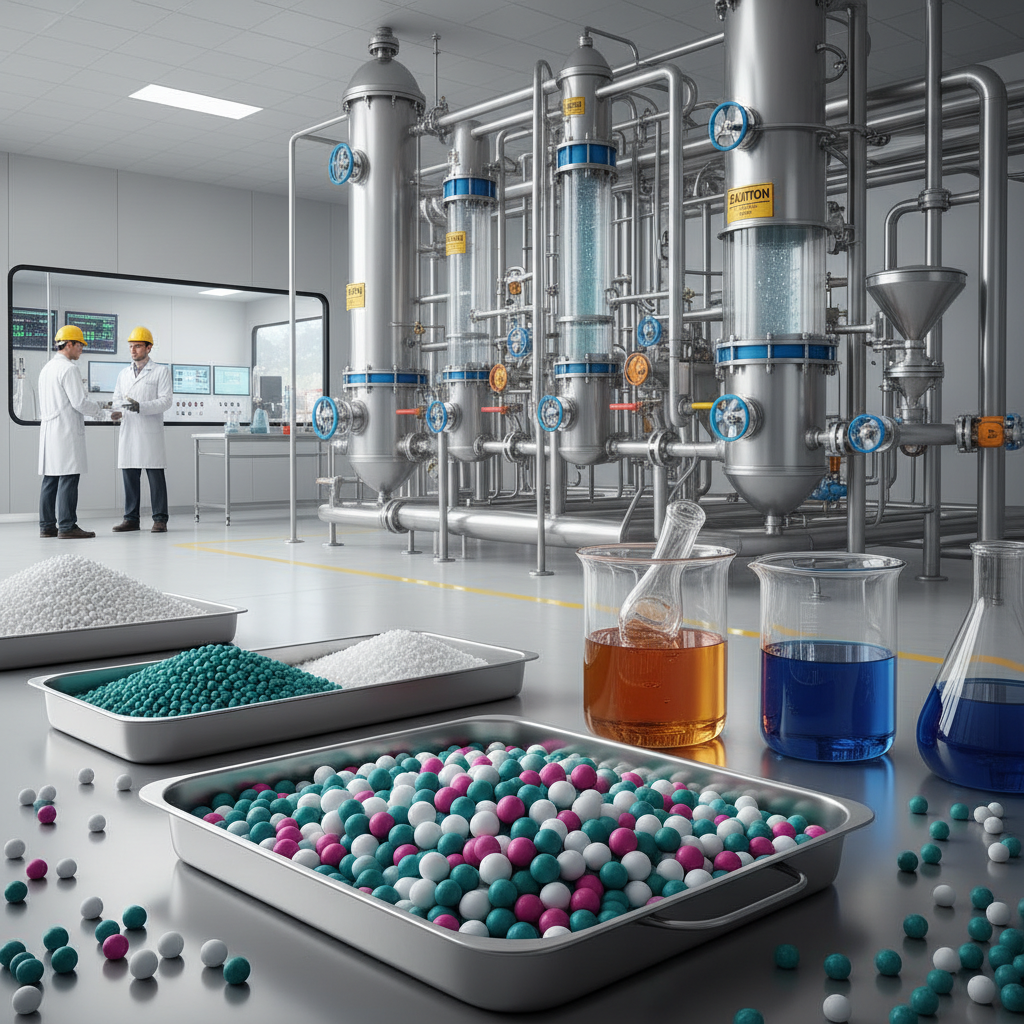
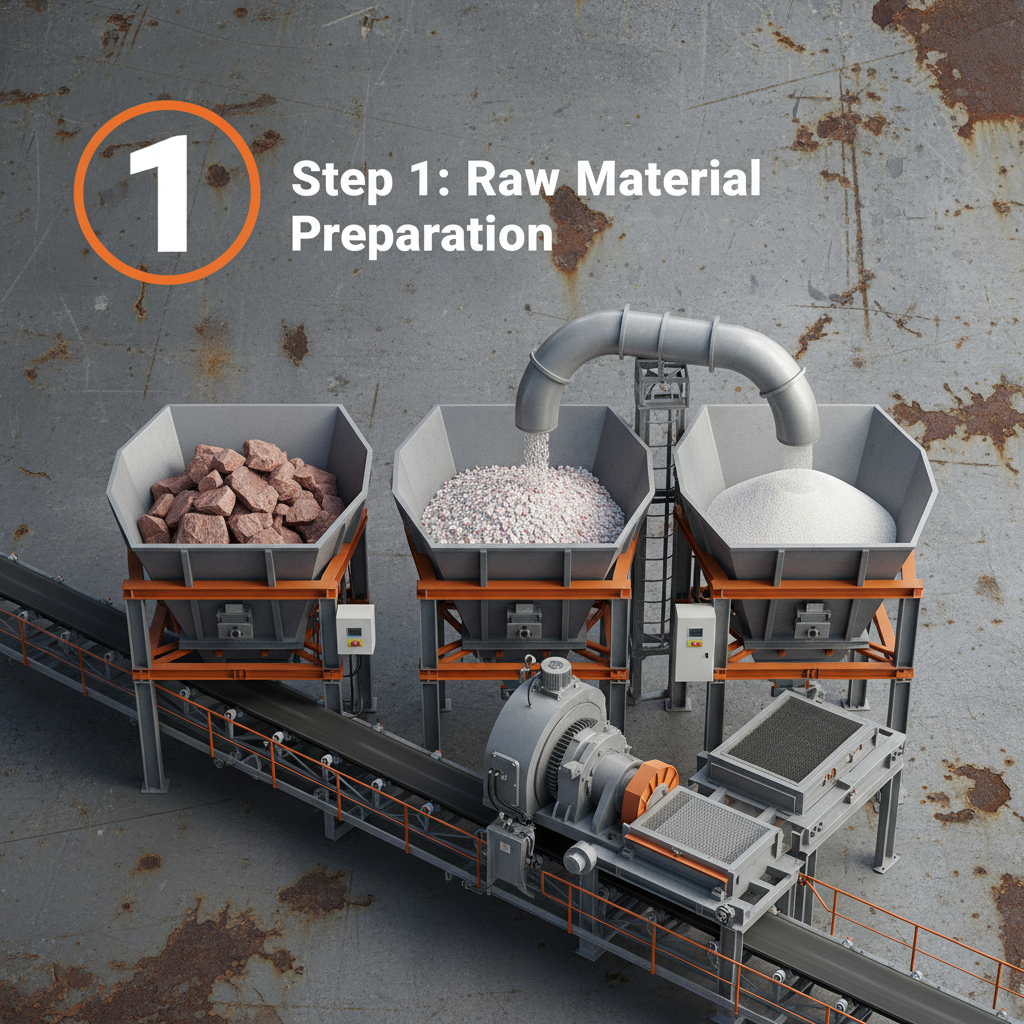
Modern fertilizer production relies on complex chemical processes to extract and combine these elements into a readily available form for plant uptake. The availability and affordability of `npk 17-17-17 fertilizer` make it an accessible option for both large-scale agricultural operations and smaller-scale gardening efforts, contributing significantly to global food security.
Key Components and Their Roles in Plant Nutrition
The efficacy of `npk 17-17-17 fertilizer` hinges on the individual contributions of nitrogen, phosphorus, and potassium. Nitrogen, in the form of ammonium or nitrate, is a critical component of amino acids, the building blocks of proteins, essential for vegetative growth. It is responsible for the lush green color of healthy leaves.
Phosphorus, primarily absorbed as phosphate, is vital for energy transfer within the plant, facilitating processes like photosynthesis and respiration. It plays a key role in root development, flowering, and fruiting. A sufficient phosphorus supply is crucial for establishing strong root systems and maximizing reproductive success.
Potassium, present as potassium ions, acts as a regulator of various physiological processes, including water balance, enzyme activation, and nutrient uptake. It enhances plant resistance to stress, disease, and extreme temperatures. Potassium is also crucial for the translocation of sugars, contributing to fruit quality and yield.
Global Applications and Use Cases of NPK 17-17-17 Fertilizer
`npk 17-17-17 fertilizer` finds widespread application across diverse agricultural landscapes globally. In regions like Asia, where rice is a staple crop, it’s used to promote vigorous growth and increase grain yield. Similarly, in South America, it supports the production of soybeans, corn, and sugarcane, key commodities for both domestic consumption and export.
Horticultural applications are also significant. In greenhouses and nurseries, `npk 17-17-17 fertilizer` is used for growing ornamental plants, vegetables, and fruits, ensuring vibrant colors, abundant blooms, and high-quality produce. It’s also a common choice for home gardeners, offering a convenient solution for maintaining healthy lawns, flowerbeds, and vegetable gardens.
In post-disaster relief operations, providing essential nutrients to restore agricultural land is critical. `npk 17-17-17 fertilizer`, due to its balanced composition and ease of application, is often included in emergency food security packages to help affected communities rebuild their livelihoods and restore food production.
Application Rates of NPK 17-17-17 Fertilizer by Crop Type
Advantages and Long-Term Value of Utilizing NPK 17-17-17 Fertilizer
The primary advantage of `npk 17-17-17 fertilizer` lies in its convenience and balanced nutrient profile. It simplifies fertilizer application, eliminating the need for mixing separate nutrient sources. This saves time and labor costs for farmers. The balanced ratio promotes holistic plant growth, reducing the risk of nutrient deficiencies and imbalances.
Long-term value is derived from increased crop yields and improved product quality. Healthy plants are more resilient to pests and diseases, reducing the need for pesticides. Furthermore, optimized nutrient uptake contributes to higher nutritional content in harvested crops, enhancing their market value and benefiting consumer health.
Future Trends and Innovations in NPK Fertilizer Technology
The future of NPK fertilizer technology is focused on enhancing efficiency and sustainability. Controlled-release formulations are gaining popularity, gradually releasing nutrients over time, minimizing losses through leaching and volatilization. These formulations also reduce the frequency of application, lowering labor costs and environmental impact.
Precision agriculture techniques, utilizing sensors and data analytics, are enabling farmers to apply `npk 17-17-17 fertilizer` at variable rates, tailored to specific soil conditions and crop needs. This optimizes nutrient use, reduces waste, and maximizes yields. Furthermore, research into bio-based fertilizers and enhanced efficiency fertilizers (EEFs) aims to reduce reliance on synthetic inputs and promote environmentally friendly agricultural practices.
Challenges and Solutions Related to NPK 17-17-17 Fertilizer Use
Despite its benefits, the use of `npk 17-17-17 fertilizer` faces challenges. Over-application can lead to environmental pollution, including eutrophication of water bodies. Soil acidification and imbalances in soil microbial communities are also potential concerns. Addressing these issues requires adopting best management practices and promoting responsible fertilizer use.
Solutions include conducting soil tests to determine nutrient deficiencies, utilizing precision agriculture techniques to optimize application rates, and implementing integrated nutrient management strategies that combine synthetic fertilizers with organic matter and biological nitrogen fixation. Educating farmers on the proper use of fertilizers and promoting sustainable agricultural practices are crucial for mitigating negative impacts and maximizing long-term benefits.
Investing in research and development of new fertilizer technologies, such as slow-release and enhanced efficiency fertilizers, will further enhance sustainability and minimize environmental risks associated with NPK fertilizer use.
Summary of Challenges and Solutions Related to NPK 17-17-17 Fertilizer Use
| Challenge |
Environmental Impact |
Economic Cost |
Potential Solution |
| Nutrient Leaching |
Water Pollution, Eutrophication |
Reduced Fertilizer Effectiveness |
Slow-Release Fertilizers |
| Soil Acidification |
Reduced Soil Fertility |
Increased Lime Application Costs |
Balanced Nutrient Management |
| Imbalanced Soil Microbiome |
Reduced Nutrient Cycling |
Decreased Soil Health |
Organic Matter Amendments |
| Over-Application |
Greenhouse Gas Emissions |
Wasted Resources |
Precision Agriculture |
| Inefficient Uptake |
Increased Runoff |
Lower Crop Yields |
Foliar Applications |
| Lack of Farmer Education |
Suboptimal Practices |
Reduced Profitability |
Extension Programs |
FAQS
Determining the optimal application rate depends on soil type, plant size, and growth stage. Generally, 2-3 grams of npk 17-17-17 fertilizer per plant is recommended every 4-6 weeks during the growing season. Conducting a soil test before application is crucial to avoid over-fertilization, which can harm the plants. Always follow package instructions and adjust based on plant response.
Yes, `npk 17-17-17 fertilizer` can be beneficial for lawns, but it's not always the ideal choice. Lawns often benefit from fertilizers with a higher nitrogen content to promote lush green growth. However, a balanced fertilizer like 17-17-17 can be used, especially if the soil is deficient in phosphorus or potassium. Apply at a rate of approximately 10-15 pounds per 1,000 square feet, following package directions.
Typically, `npk 17-17-17 fertilizer` is not considered safe for organic gardening as it’s a synthetically produced fertilizer. Organic gardening relies on natural sources of nutrients, such as compost, manure, and bone meal. While the nutrients are the same, the source and production methods differ significantly. For organic gardening, look for fertilizers certified by organizations like OMRI (Organic Materials Review Institute).
Over-fertilization with `npk 17-17-17 fertilizer` can cause several problems, including fertilizer burn (damaged roots and leaves), stunted growth, and nutrient imbalances. It can also lead to environmental issues like water pollution. If you suspect over-fertilization, immediately flush the soil with plenty of water to leach out excess nutrients. Monitor plant health closely and avoid further fertilization until the issue resolves.
To maintain the effectiveness of `npk 17-17-17 fertilizer`, store it in a cool, dry, and well-ventilated place. Keep it away from moisture, direct sunlight, and extreme temperatures. Original packaging is ideal, as it often provides some protection from the elements. Properly stored fertilizer can remain effective for several years.
Mixing `npk 17-17-17 fertilizer` with other fertilizers is generally not recommended unless you have a thorough understanding of plant nutrient requirements and potential interactions. Combining fertilizers without careful consideration can lead to nutrient imbalances and toxicity. If you’re unsure, it's best to apply fertilizers separately, following recommended application rates for each product.
Conclusion
`npk 17-17-17 fertilizer` remains a cornerstone of modern agriculture, providing a balanced and readily available source of essential nutrients for plant growth. Its versatility, cost-effectiveness, and widespread availability make it a valuable tool for farmers, gardeners, and anyone seeking to optimize plant health and productivity. Understanding its proper application, potential challenges, and emerging innovations is crucial for ensuring sustainable and responsible use.
Looking ahead, the future of NPK fertilizer lies in developing more efficient and environmentally friendly formulations, incorporating precision agriculture techniques, and promoting integrated nutrient management strategies. By embracing these advancements, we can continue to harness the benefits of `npk 17-17-17 fertilizer` while minimizing its environmental impact and securing a sustainable food supply for generations to come. Visit our website at npk 17-17-17 fertilizer to learn more about our products and services.