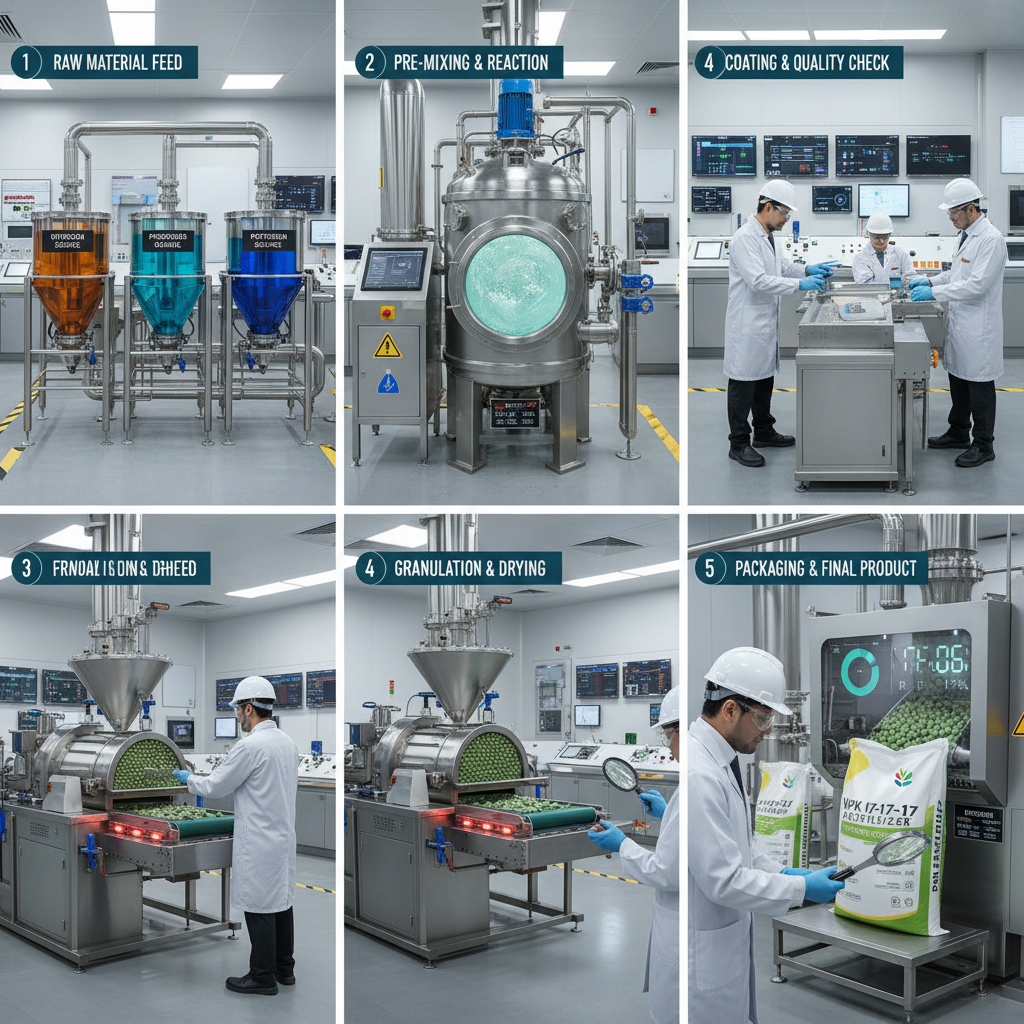
Look, I’ve spent the last fifteen years knee-deep in concrete, dust, and frankly, a lot of frustrated engineers. What I’ve learned is that fertilizer, and specifically a balanced formula like npk 17 17 17 fertilizer, isn’t just about making plants grow. It’s about predictable results, minimized headaches, and ultimately, keeping projects on schedule and within budget. We're talking about the backbone of agriculture, landscaping, even large-scale erosion control – it’s fundamental. It’s a quiet player, but when it's right, everything else falls into place.
For years, we've been dealing with inconsistent fertilizer blends, causing uneven growth, nutrient deficiencies, and a whole lot of re-work. That inconsistent output translates directly to cost overruns. And let me tell you, no one likes explaining to the client why the field’s not green enough. npk 17 17 17 fertilizer offers a reliable baseline, a known quantity that cuts down on that uncertainty, and it’s been a game changer on several of my larger projects.
The demand for efficient and sustainable agriculture is only increasing, especially with a growing global population. Reliable crop yields are critical, and getting that yield consistently, year after year, requires a consistent nutrient supply. We need a fertilizer that delivers on its promise, and delivers it reliably. That’s where a balanced formula like npk 17 17 17 fertilizer truly shines.
The Importance of NPK 17 17 17 Fertilizer in Modern Applications
The global agricultural landscape is facing immense pressure. Feeding a growing population while battling climate change and dwindling resources demands efficiency. npk 17 17 17 fertilizer, as a balanced source of essential nutrients, plays a crucial role in maximizing crop yields and ensuring food security. According to the UN’s Food and Agriculture Organization, global food production needs to increase by 70% by 2050 to meet the demands of a projected 9.7 billion people. This isn’t just about growing more; it’s about growing smarter.
It's a workhorse fertilizer, plain and simple. We see it used extensively in commercial agriculture, but also on smaller, more specialized farms, and even in residential landscaping. The consistent nutrient ratio simplifies application and minimizes the risk of over- or under-fertilization, which is a major headache and a waste of money. From what I’ve seen on sites, it’s the go-to for a broad range of crops, making it a reliable choice for diverse agricultural needs.
Defining NPK 17 17 17 Fertilizer: A Core Component for Growth
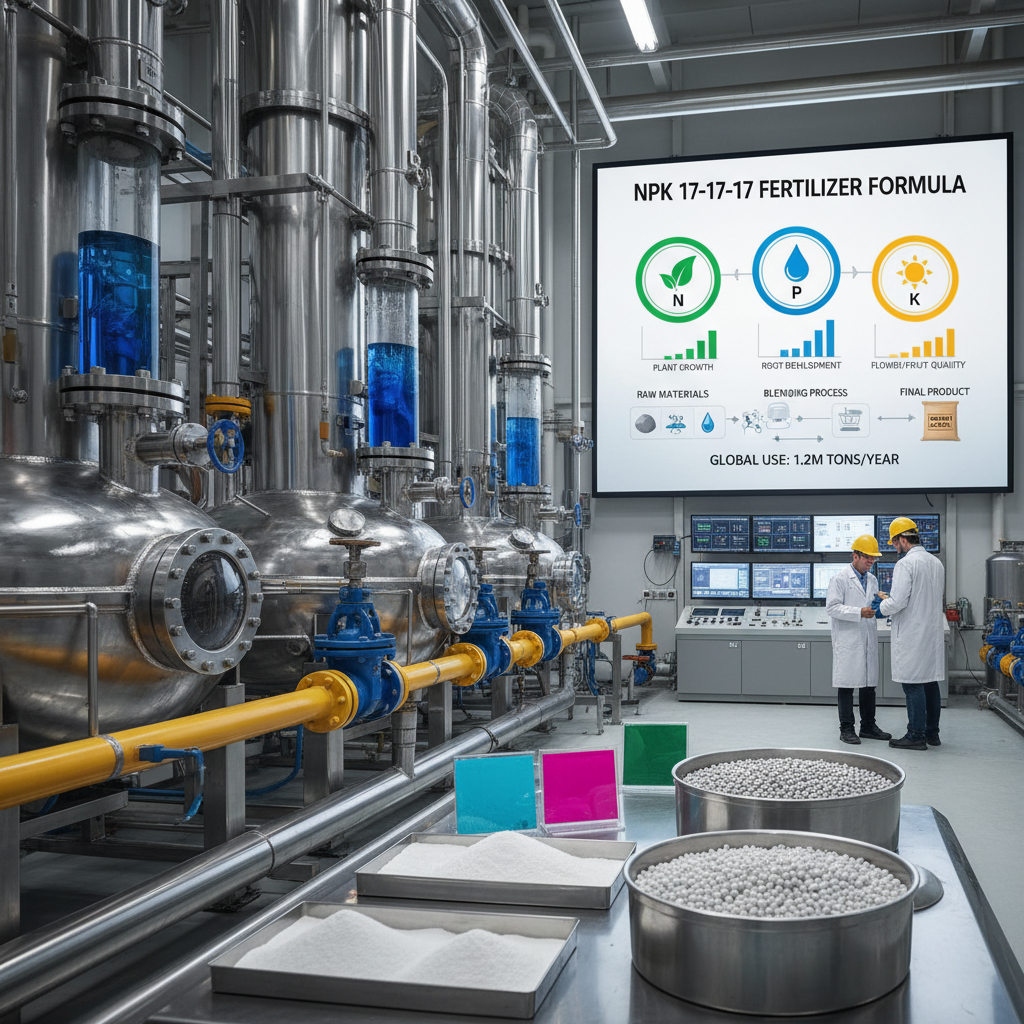
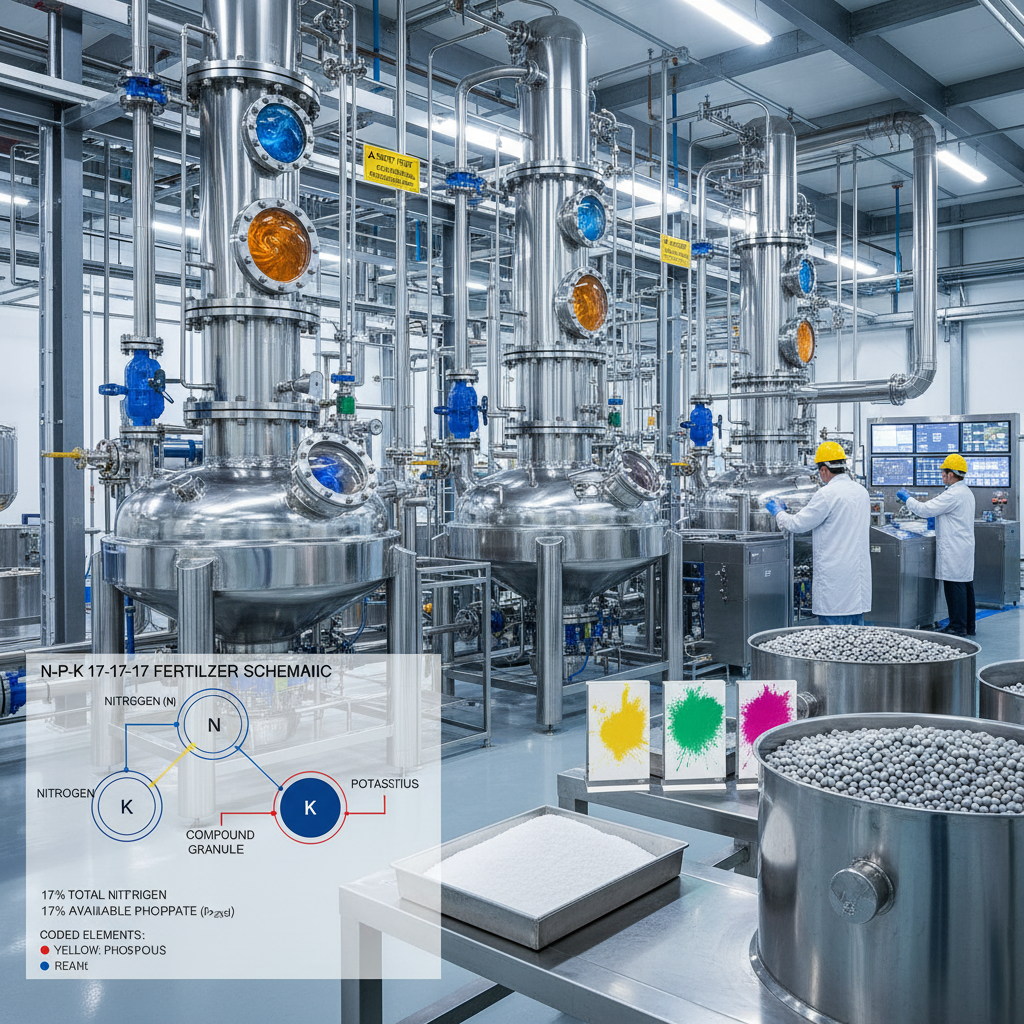
Let’s break it down. “NPK” stands for Nitrogen, Phosphorus, and Potassium – the three macronutrients essential for plant growth. The numbers, in this case 17-17-17, represent the percentage of each nutrient by weight. So, with npk 17 17 17 fertilizer, you're getting 17% nitrogen, 17% phosphorus, and 17% potassium. This balanced ratio promotes overall plant health, supporting robust vegetative growth (nitrogen), strong root development (phosphorus), and improved disease resistance and fruit/flower production (potassium).
It's more than just numbers, though. It’s about understanding what the plant needs at different stages of growth. While specialized blends can be beneficial, a balanced fertilizer like this provides a solid foundation. It addresses the core nutritional requirements of a wide variety of plants, making it a versatile tool for farmers, landscapers, and gardeners alike. It's essentially the building blocks for healthy growth.
This isn’t some newfangled invention. The principles of NPK fertilization have been around for over a century, but the refinement of formulations like 17-17-17 allows for greater precision and efficiency, addressing the growing need for sustainable agricultural practices.
Key Factors Influencing NPK 17 17 17 Fertilizer Effectiveness
The effectiveness of npk 17 17 17 fertilizer isn’t just about applying it and hoping for the best. Soil type plays a huge role. Sandy soils leach nutrients quickly, requiring more frequent applications. Clay soils retain nutrients but can become compacted, hindering root growth. Understanding your soil composition is the first step.
Application method matters too. Broadcasting (spreading evenly over the soil) is suitable for large areas, while band application (placing the fertilizer in a narrow band near the plant roots) is more efficient for targeted nutrient delivery. I’ve seen projects where improper application led to significant nutrient loss and uneven crop growth. It’s a surprisingly common mistake.
Finally, timing is critical. Plants have different nutrient requirements at different stages of growth. Applying fertilizer at the right time ensures that the nutrients are available when the plant needs them most. For example, nitrogen is particularly important during vegetative growth, while phosphorus is crucial for root development and flowering.
Global Applications and Use Cases of NPK 17 17 17 Fertilizer
You'll find npk 17 17 17 fertilizer in use across the globe, from large-scale commercial farms in the American Midwest to tea plantations in Sri Lanka and fruit orchards in Italy. It's a universally applicable fertilizer. In regions with nutrient-depleted soils, like parts of Africa, it’s a crucial tool for improving crop yields and combating food insecurity.
We've used it extensively in large-scale landscaping projects, particularly for establishing new lawns and gardens. The consistent nutrient ratio promotes rapid growth and a healthy, vibrant appearance. It's also a popular choice for greenhouse growers, who need precise control over nutrient levels. I’ve seen it used in hydroponic systems, too, although the specific formulation might be adjusted.
In post-disaster relief operations, quickly restoring agricultural land is essential for providing food and livelihoods to affected communities. npk 17 17 17 fertilizer is often included in emergency aid packages due to its versatility and ease of use. It's a practical solution for getting crops growing again quickly.
NPK 17 17 17 Fertilizer Application Comparison
Advantages and Long-Term Value of Using NPK 17 17 17 Fertilizer
The biggest advantage, from my perspective, is predictability. Knowing exactly what you’re getting in terms of nutrient content allows for more accurate planning and minimizes the risk of crop failure. That translates to direct cost savings. You’re not redoing work, you’re not losing yields, and you’re building a reputation for reliability.
Long-term, sustainable agriculture relies on maintaining soil health. While npk 17 17 17 fertilizer provides essential nutrients, it’s important to combine it with organic matter and other soil-building practices to create a thriving ecosystem. But it's a crucial piece of the puzzle.
Future Trends and Innovations in NPK 17 17 17 Fertilizer Technology
We’re seeing a move towards slow-release fertilizers, where nutrients are released gradually over time, reducing the risk of leaching and maximizing nutrient uptake. Encapsulation technology is also improving, allowing for more precise control over nutrient delivery.
Precision agriculture, driven by data analytics and sensor technology, is another key trend. This allows farmers to tailor fertilizer applications to the specific needs of different areas of their fields, optimizing nutrient use and minimizing environmental impact. Combining that data with a reliable base like npk 17 17 17 fertilizer is a winning combination.
Challenges and Solutions in NPK 17 17 17 Fertilizer Application
One of the biggest challenges is nutrient runoff, which can pollute waterways and harm aquatic ecosystems. Implementing best management practices, such as using cover crops and reducing tillage, can help minimize runoff.
Another challenge is the rising cost of fertilizer, driven by factors such as energy prices and supply chain disruptions. Exploring alternative nutrient sources, such as compost and manure, can help reduce reliance on synthetic fertilizers. Investing in soil health also improves nutrient retention, reducing the need for frequent applications.
Ultimately, the key is to adopt a holistic approach to nutrient management, considering the entire agroecosystem and prioritizing sustainability. npk 17 17 17 fertilizer, when used responsibly and as part of a well-planned strategy, can be a valuable tool for achieving that goal.
Summary of NPK 17 17 17 Fertilizer Application Analysis
| Application Method |
Environmental Impact |
Cost Effectiveness |
Yield Improvement |
| Broadcasting |
Moderate |
High |
6/10 |
| Band Application |
Low |
Moderate |
8/10 |
| Foliar Spray |
Very Low |
Low |
4/10 |
| Controlled Release |
Very Low |
Moderate |
9/10 |
| Soil Injection |
Low |
High |
7/10 |
| Drip Irrigation |
Very Low |
Moderate |
8/10 |
FAQS
The best time depends on the crop and climate. Generally, spring is ideal for most plants to support new growth. For fall-planted crops or those with extended growing seasons, a second application in mid-summer can be beneficial. Avoid applying fertilizer during extreme heat or drought, as this can damage plants. Always check specific recommendations for your particular plant species and local conditions.
While npk 17 17 17 fertilizer is a versatile option, it's not a one-size-fits-all solution. Some plants have specific nutrient requirements. For example, acid-loving plants like blueberries need a fertilizer with a lower pH. Always research the specific needs of your plants before applying fertilizer.
Application rates vary depending on soil type, crop type, and desired yield. A soil test is crucial to determine the existing nutrient levels and identify any deficiencies. As a general guideline, typical application rates range from 100 to 300 pounds per acre, but always follow the manufacturer's recommendations and adjust based on your soil test results.
Over-fertilizing can lead to nutrient burn, which damages plant roots and leaves. It can also contribute to nutrient runoff, polluting waterways. Symptoms of over-fertilization include yellowing or browning of leaf tips, stunted growth, and excessive salt buildup in the soil. It’s always better to under-fertilize than to over-fertilize.
When used responsibly, npk 17 17 17 fertilizer can be part of sustainable agricultural practices. However, it’s crucial to minimize runoff and leaching by using appropriate application methods and avoiding over-fertilization. Combining it with organic matter and other soil-building practices further enhances its environmental sustainability.
Store fertilizer in a cool, dry, and well-ventilated area, away from direct sunlight and moisture. Keep it in its original container and tightly sealed to prevent caking or degradation. Avoid storing it near flammable materials or food products. Proper storage ensures the fertilizer remains effective and safe to use.
Conclusion
In conclusion, npk 17 17 17 fertilizer remains a cornerstone of modern agriculture and landscaping. Its balanced nutrient composition, predictable results, and versatility make it a valuable tool for maximizing crop yields, promoting plant health, and supporting sustainable practices. Understanding its application, limitations, and future trends is critical for anyone involved in plant cultivation.
Looking ahead, continued innovation in fertilizer technology, combined with a focus on soil health and responsible nutrient management, will be key to ensuring food security and environmental sustainability. We need to move beyond simply applying fertilizer and towards a more holistic approach that considers the entire agroecosystem. For more information on optimizing your fertilizer strategy, visit our website: www.hhfertilizer.com.