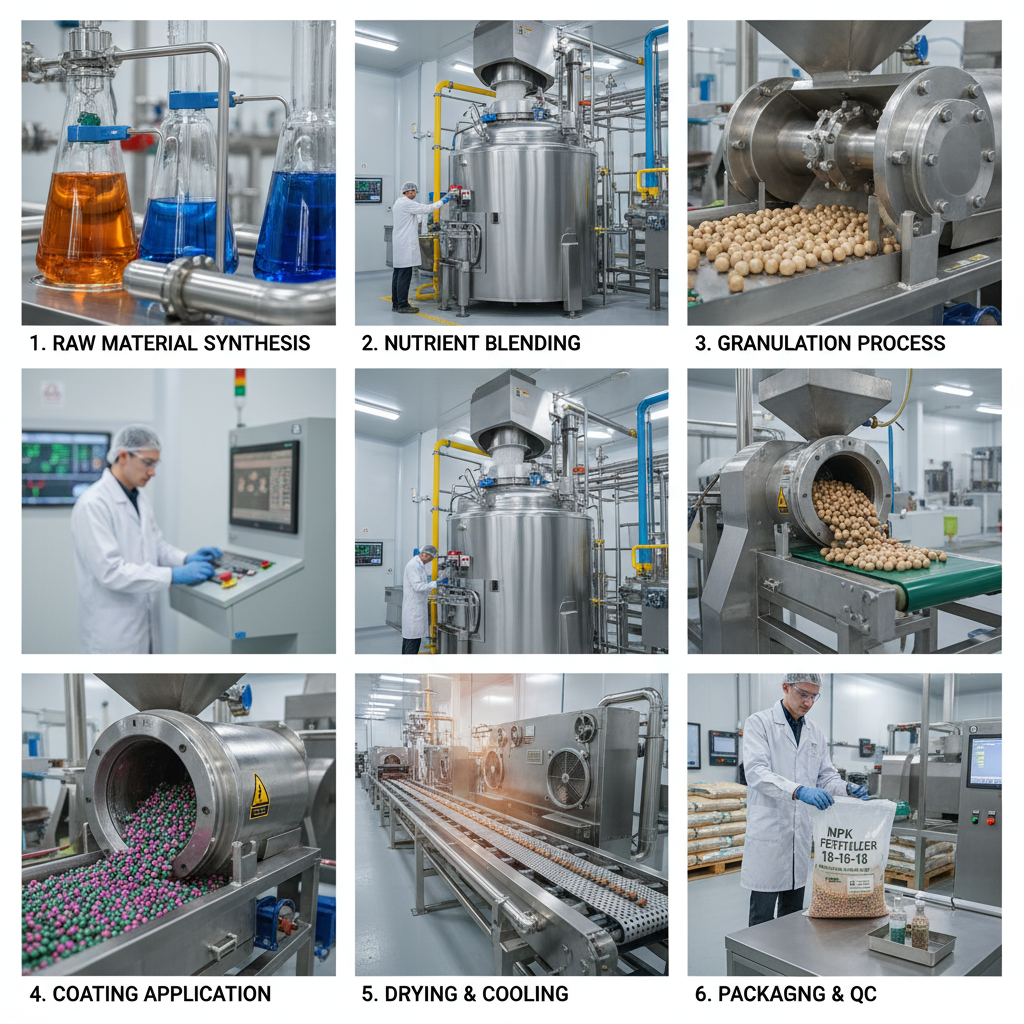
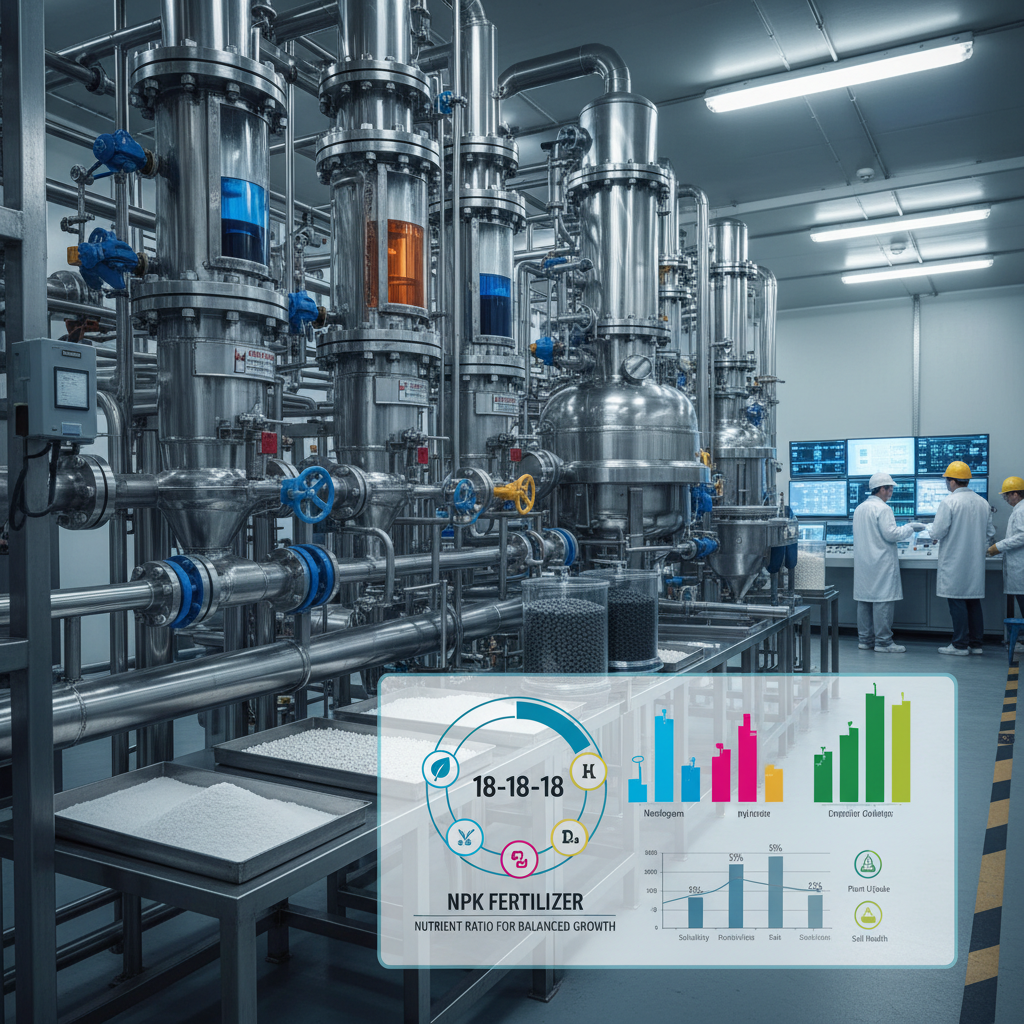
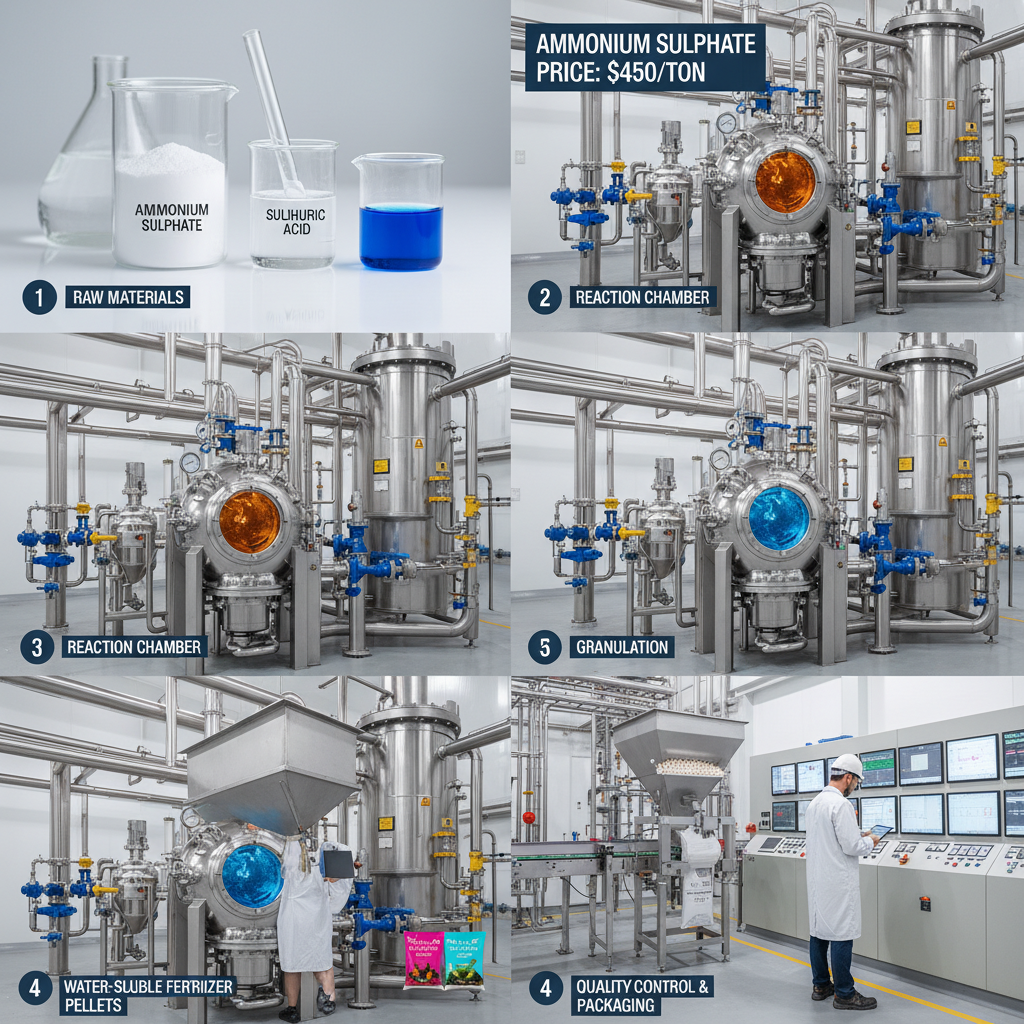
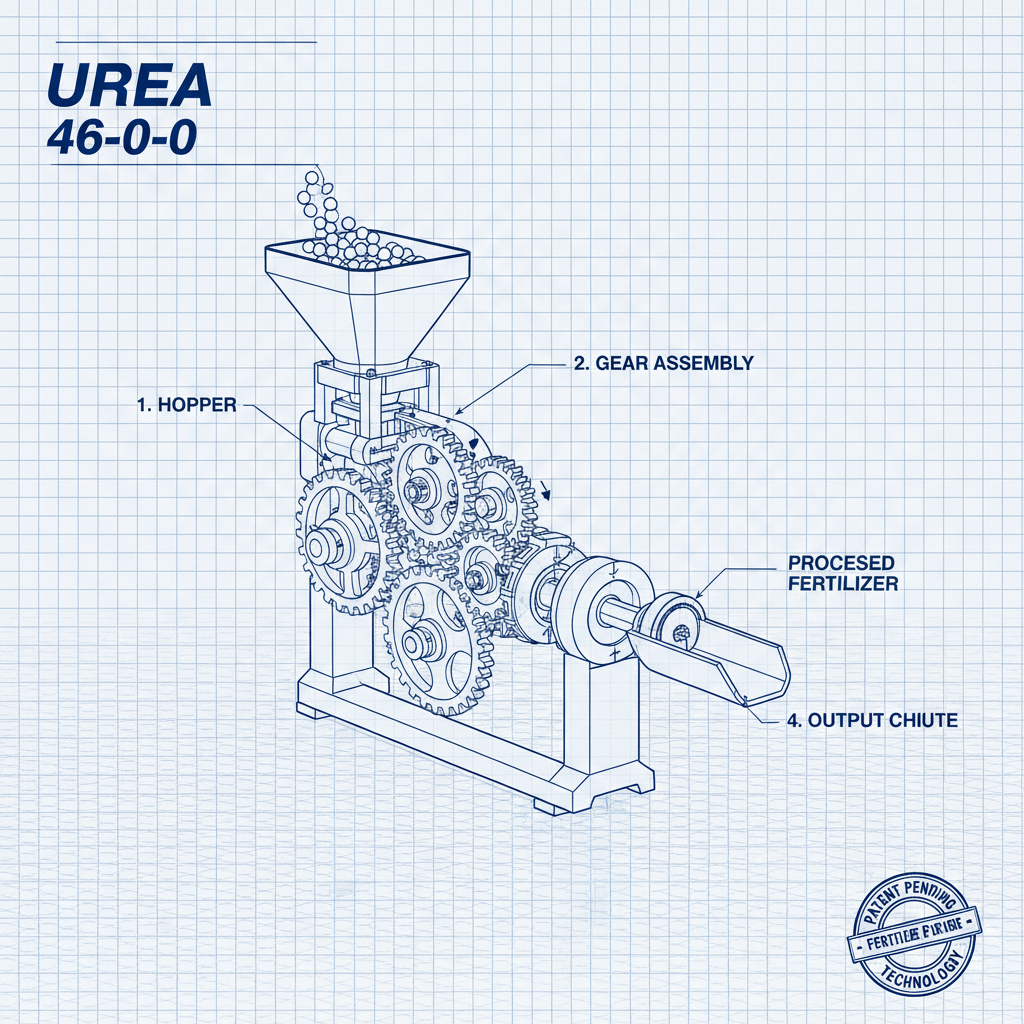
NPK fertilizer 18-18-18 is a globally vital compound fertilizer, playing a crucial role in modern agriculture and food security. Its balanced nutrient composition – 18% Nitrogen, 18% Phosphorus, and 18% Potassium – makes it suitable for a wide range of crops and soil types, significantly boosting yields and improving plant health worldwide. Understanding its application and benefits is paramount in addressing the growing global demand for food.
The demand for efficient fertilizers like npk fertilizer 18-18-18 is intrinsically linked to the world’s burgeoning population and the consequent need for increased agricultural output. According to the UN, the global population is projected to reach nearly 10 billion by 2050, necessitating a substantial increase in food production. Fertilizer usage is a critical factor in achieving this goal, and balanced fertilizers like 18-18-18 are increasingly preferred for their effectiveness and minimized environmental impact.
Addressing the challenges of soil degradation and nutrient depletion, npk fertilizer 18-18-18 provides a comprehensive solution for plant nutrition. It's not just about increasing yield; it's about ensuring the nutritional quality of crops, contributing to healthier diets, and supporting sustainable agricultural practices. Proper application of this fertilizer can drastically improve crop resilience to pests and diseases, further minimizing losses and enhancing overall productivity.
The Significance of npk fertilizer 18-18-18 in Global Agriculture
The widespread adoption of npk fertilizer 18-18-18 is a testament to its versatility and efficacy in boosting agricultural yields. It addresses the fundamental need for balanced nutrition in plants, delivering nitrogen for leafy growth, phosphorus for root development, and potassium for overall plant health and disease resistance. This makes it a cornerstone of modern farming practices globally.
The fertilizer’s significance extends beyond simple yield increases. It contributes to improved crop quality, enhances nutritional value, and supports sustainable farming by promoting efficient nutrient utilization. This is particularly crucial in regions facing challenges related to food security and soil degradation.
Understanding the Composition of npk fertilizer 18-18-18
NPK fertilizer 18-18-18 derives its name from the percentage by weight of its three primary macronutrients: Nitrogen (N), Phosphorus (P), and Potassium (K). Each element plays a distinct and vital role in plant physiology. Nitrogen is a key component of amino acids, the building blocks of proteins, and is essential for vegetative growth.
Phosphorus is crucial for energy transfer within the plant, supporting root development, flowering, and fruiting. Potassium regulates water balance, enhances stress tolerance, and is vital for enzyme activation. The 18-18-18 formulation provides a balanced supply of these three nutrients, ensuring comprehensive plant nutrition.
The source of these nutrients within the fertilizer can vary. Nitrogen is often supplied as urea or ammonium nitrate, phosphorus as diammonium phosphate (DAP) or monoammonium phosphate (MAP), and potassium as potassium chloride (MOP) or potassium sulfate (SOP). The specific source can influence the fertilizer’s properties and suitability for different soil types.
Key Components and Their Roles in Plant Growth
Nitrogen, the first number in the 18-18-18 designation, directly impacts chlorophyll production, the process by which plants convert sunlight into energy. Adequate nitrogen levels lead to lush, green foliage and robust vegetative growth, crucial for initial plant development and overall biomass accumulation.
Phosphorus, the second component, is indispensable for root growth, flower formation, and seed development. It’s also critical for efficient energy storage and transfer within the plant. A sufficient phosphorus supply ensures strong root systems, enabling plants to absorb water and nutrients more effectively.
Potassium, the final component, acts as a regulator of plant processes, impacting water uptake, nutrient transport, and enzyme activation. It strengthens plant cell walls, enhancing resistance to diseases and environmental stresses like drought and cold. It's the key to overall plant vitality and resilience.
Application Rates and Methods for npk fertilizer 18-18-18
Determining the appropriate application rate of npk fertilizer 18-18-18 depends heavily on crop type, soil characteristics, and existing nutrient levels. Soil testing is crucial to identify any deficiencies and tailor the fertilizer application accordingly. General recommendations typically range from 50 to 200 kg per hectare, but precise rates should be based on professional agronomic advice.
Several application methods are available, including broadcasting, band application, and foliar spraying. Broadcasting involves spreading the fertilizer evenly across the field, while band application places it in a concentrated strip near the plant roots for more efficient uptake. Foliar spraying delivers nutrients directly to the leaves, providing a quick boost during critical growth stages.
npk fertilizer 18-18-18 Application Method Comparison
Global Use Cases and Crop Suitability
NPK fertilizer 18-18-18 enjoys widespread application across a vast range of agricultural sectors globally. It's particularly well-suited for crops with high nutrient demands, such as cereals (wheat, rice, maize), oilseeds (soybeans, sunflowers), fruits (bananas, citrus), and vegetables (tomatoes, potatoes).
In Asia, it's a key component in boosting rice yields in countries like China and India. Across Africa, npk fertilizer 18-18-18 helps address soil nutrient deficiencies and improve crop production for food security. In South America, it’s utilized extensively in soybean and sugarcane cultivation.
Benefits and Long-Term Value of Using npk fertilizer 18-18-18
The benefits of using npk fertilizer 18-18-18 extend far beyond increased yields. It contributes to improved crop quality, enhancing the nutritional content of food and increasing its market value. The balanced nutrient supply promotes robust plant growth, improving resistance to pests and diseases, reducing the need for pesticide applications.
Long-term, consistent use of this fertilizer, coupled with responsible soil management practices, can improve soil health, enhancing its water-holding capacity and nutrient retention. This contributes to sustainable agricultural practices and reduces the environmental impact of farming.
From an economic perspective, the increased yields and improved crop quality translate to higher profits for farmers and contribute to a more stable food supply. Investing in balanced fertilization with npk fertilizer 18-18-18 is an investment in long-term agricultural sustainability and food security.
Future Trends and Innovations in Fertilizer Technology
The fertilizer industry is constantly evolving, with a focus on developing more efficient and sustainable products. Innovations such as slow-release fertilizers, nano-fertilizers, and enhanced efficiency fertilizers (EEFs) aim to minimize nutrient losses and maximize plant uptake, reducing environmental impact and improving resource utilization.
Precision agriculture, utilizing sensors, drones, and data analytics, is also transforming fertilizer application. These technologies allow farmers to apply fertilizer only where and when it's needed, optimizing nutrient use and minimizing waste. The integration of digital tools and data-driven insights is set to revolutionize fertilizer management.
Furthermore, research into bio-fertilizers and organic alternatives is gaining momentum, offering environmentally friendly options for plant nutrition. Combining conventional fertilizers like npk fertilizer 18-18-18 with these innovative approaches promises a more sustainable and resilient agricultural future.
Key Performance Indicators (KPIs) for npk fertilizer 18-18-18 Management
| Application Method |
Nutrient Use Efficiency (%) |
Environmental Impact (Score 1-10) |
Cost-Effectiveness (Score 1-10) |
| Broadcasting |
55% |
7 |
8 |
| Band Application |
70% |
6 |
9 |
| Foliar Spray |
60% |
8 |
6 |
| Side-dressing |
75% |
5 |
8.5 |
| Fertigation |
80% |
4 |
9.5 |
| Controlled-Release |
85% |
3 |
7 |
FAQS
The ideal soil pH for maximizing npk fertilizer 18-18-18 absorption typically falls between 6.0 and 7.0. Within this range, most essential nutrients are readily available to plants. Soils outside this range can hinder nutrient uptake, even with adequate fertilization. Adjusting soil pH through liming (for acidic soils) or sulfur application (for alkaline soils) can significantly improve fertilizer effectiveness.
While npk fertilizer 18-18-18 is versatile, it's not a one-size-fits-all solution. Different plants have varying nutrient requirements. It’s generally suitable for a wide range of crops, but specific needs may necessitate tailored formulations. For example, acid-loving plants like blueberries may benefit from a fertilizer with a lower pH and different nutrient ratios.
Over-fertilizing with npk fertilizer 18-18-18 can lead to several problems, including nutrient burn, where high salt concentrations damage plant roots. It can also cause nutrient imbalances, hindering the uptake of other essential elements. Furthermore, excess nutrients can leach into groundwater, contributing to environmental pollution.
Proper storage is crucial to maintain the effectiveness of npk fertilizer 18-18-18. Store it in a cool, dry, and well-ventilated area, away from direct sunlight and moisture. Keep it sealed in its original container to prevent caking and contamination. Also, keep it out of reach of children and pets.
NPK fertilizer 18-18-18, in its standard formulation, is generally not considered safe for certified organic gardening. Organic standards typically require nutrient sources derived from natural, unprocessed materials. However, some organic-approved fertilizers also have an 18-18-18 equivalent ratio derived from compost or other permitted sources.
The difference lies in the proportion of each nutrient. A higher nitrogen number (e.g., 20-10-10) emphasizes leafy growth, while a higher phosphorus number (e.g., 10-20-10) promotes root and flower development. 18-18-18 offers a balanced approach, providing equal amounts of all three key nutrients, making it suitable for overall plant health and growth in many situations.
Conclusion
In conclusion, npk fertilizer 18-18-18 remains a cornerstone of modern agriculture, offering a balanced and efficient solution for plant nutrition. Its ability to enhance yields, improve crop quality, and support sustainable farming practices makes it a vital tool for addressing global food security challenges. Understanding its composition, application, and future trends is crucial for maximizing its benefits.
As technology advances and environmental concerns grow, the fertilizer industry is evolving towards more targeted and sustainable solutions. By embracing innovation and adopting responsible nutrient management practices, we can harness the power of fertilizers like npk fertilizer 18-18-18 to ensure a secure and sustainable food supply for generations to come. Visit our website at npk fertilizer 18-18-18 for more information and to explore our product range.