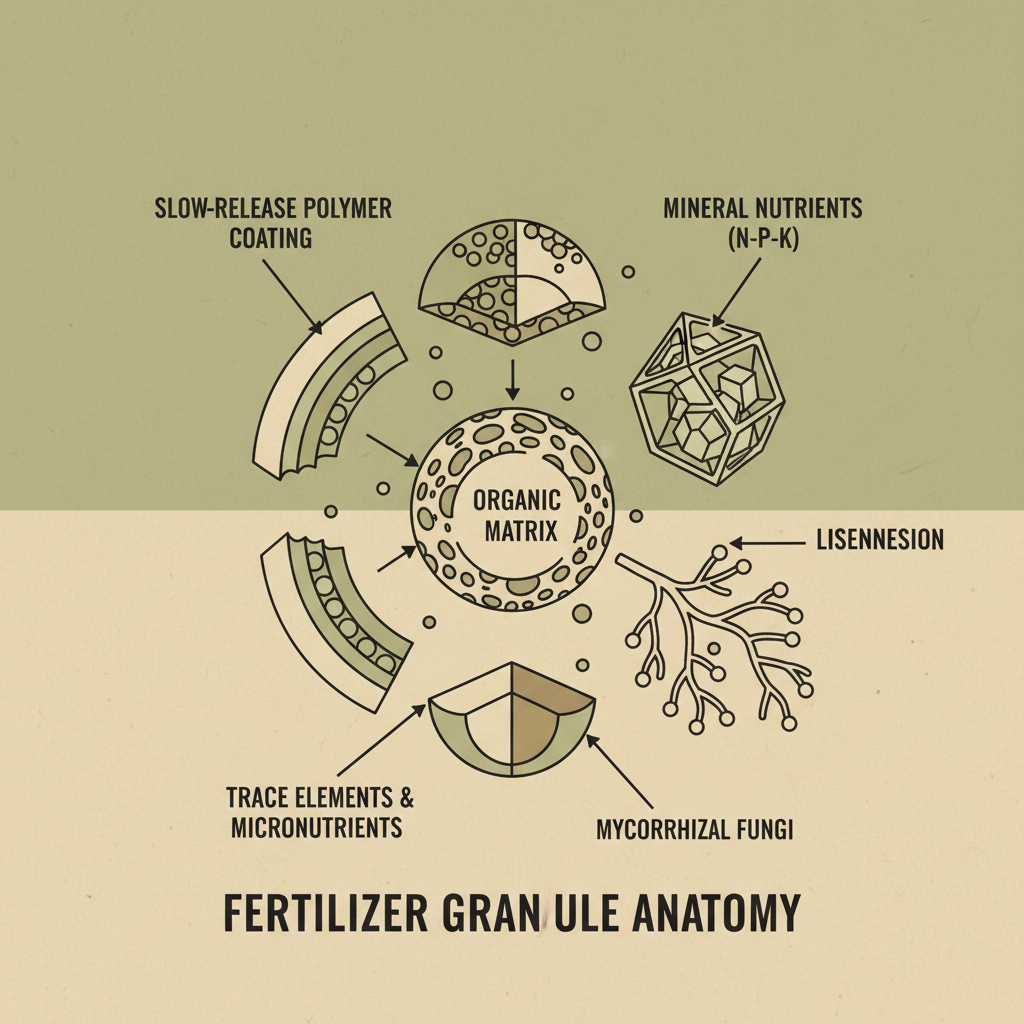
Urea fertilizer, a cornerstone of modern agriculture, plays a vital role in global food security. Its high nitrogen content makes it an essential nutrient for plant growth, significantly boosting crop yields and supporting the world's growing population. Understanding its production, application, and future innovations is crucial for sustainable agricultural practices and addressing global hunger challenges. urea fertilizer is a globally traded commodity, with its price and availability impacting farmers and consumers worldwide.
The demand for urea fertilizer continues to rise alongside population growth and the need for increased food production. However, challenges exist, including environmental concerns related to nitrogen runoff and greenhouse gas emissions during production. Innovation in manufacturing processes and application techniques are vital to minimize these impacts and maximize the benefits of urea fertilizer.
This comprehensive overview will delve into the intricacies of urea fertilizer, from its fundamental properties to its diverse applications, future trends, and the hurdles that need to be overcome to ensure its responsible and sustainable use. It's an essential input for both agricultural professionals and those interested in global food systems.
The Significance of Urea Fertilizer
Urea fertilizer holds immense significance in modern agriculture, functioning as the most concentrated solid nitrogen fertilizer globally. Its widespread use directly impacts crop yields, food production, and ultimately, global food security. Without efficient nitrogen fertilization, meeting the demands of a growing population would be exceedingly difficult. urea fertilizer is vital for plant growth, providing the key building block for proteins and chlorophyll.
The production and distribution of urea fertilizer are complex, involving significant industrial infrastructure and global trade networks. Its cost-effectiveness, compared to other nitrogen sources, has contributed to its dominance in the fertilizer market. However, sustainable production and responsible use are increasingly important considerations.
Understanding Urea Fertilizer: A Global Perspective
Urea fertilizer is a crucial component of global agricultural practices, with consumption patterns closely linked to population growth, arable land availability, and agricultural intensity. Asia, particularly China and India, represents the largest consuming region, driven by the need to feed vast populations and intensify agricultural production. According to the UN Food and Agriculture Organization (FAO), nitrogen fertilizers, including urea, account for a significant portion of increased crop yields worldwide.
The global urea fertilizer market is subject to price fluctuations based on natural gas prices (a primary feedstock), geopolitical factors, and supply chain disruptions. Trade agreements and government policies play a critical role in shaping access to this essential nutrient, especially for developing countries. The World Bank actively monitors fertilizer prices and trends to support sustainable agricultural development.
A significant challenge facing the urea fertilizer industry is balancing increased demand with environmental concerns. Nitrogen runoff from agricultural fields contributes to water pollution, and the production process generates greenhouse gas emissions. Addressing these issues requires innovation in fertilizer technology and responsible agricultural practices.
Defining Urea Fertilizer and Its Industrial Role
Urea fertilizer is a chemical compound with the formula (NH₂ )₂CO. It's a white, crystalline solid produced industrially from ammonia and carbon dioxide. In agricultural terms, it’s a non-protein nitrogen source that plants can readily absorb and utilize for growth. This process allows for efficient nitrogen delivery, essential for chlorophyll production and overall plant health.
The industrial production of urea is a large-scale operation, intricately linked to the petrochemical industry. Ammonia, a key raw material, is typically produced via the Haber-Bosch process, which requires substantial energy input. The subsequent reaction of ammonia with carbon dioxide yields urea, which is then processed into granular or prilled forms for ease of application.
Beyond agriculture, urea also finds applications in the manufacturing of plastics, animal feed supplements, and even de-icing agents. This versatility highlights its importance as a core chemical building block with broad industrial significance. urea fertilizer production directly impacts numerous related industries, making it a strategically important commodity.
Key Factors Influencing Urea Fertilizer Effectiveness
Several key factors dictate the effectiveness of urea fertilizer, influencing how efficiently plants can utilize the applied nitrogen. Soil pH plays a crucial role; acidic soils can promote nitrogen loss through volatilization, while alkaline soils may affect nitrogen availability. Proper soil testing and pH adjustment are essential for maximizing urea fertilizer benefits.
Application timing and method also significantly impact effectiveness. Split applications, where nitrogen is applied in multiple doses throughout the growing season, minimize losses and ensure a consistent supply for plant uptake. Incorporating urea into the soil can reduce volatilization, but surface application followed by rainfall can also be effective.
Urea Fertilizer Method Comparison
Global Applications and Use Cases of Urea Fertilizer
Urea fertilizer finds its primary application in broad-acre agriculture, supporting the growth of essential food crops such as wheat, rice, maize, and soybeans. Its versatility allows for application to a wide range of soil types and climatic conditions, making it a globally adaptable fertilizer. In post-disaster relief operations, urea fertilizer can provide a crucial boost to local food production, helping communities recover from food shortages.
Beyond traditional agriculture, urea fertilizer is used in forestry to promote tree growth, in horticulture for fruit and vegetable production, and in turf management for maintaining healthy lawns and sports fields. In remote industrial zones, particularly in mining operations, urea is used in explosives manufacturing.
Advantages and Long-Term Value of Urea Fertilizer
The primary advantage of urea fertilizer is its high nitrogen content (46%), making it the most concentrated solid nitrogen fertilizer available. This translates to lower transportation and storage costs compared to other nitrogen sources. Moreover, urea fertilizer's relatively low price point makes it accessible to a wider range of farmers, particularly in developing countries.
Long-term, the sustained use of urea fertilizer, coupled with responsible agricultural practices, contributes to increased food security, improved farmer livelihoods, and enhanced economic stability. It fosters innovation in crop breeding and agricultural technology, driving continuous improvements in agricultural productivity.
Future Trends and Innovations in Urea Fertilizer
The future of urea fertilizer is intertwined with the pursuit of sustainable agricultural practices. Research is focused on developing “enhanced efficiency fertilizers” (EEFs) that reduce nitrogen losses through volatilization and leaching. These EEFs often incorporate nitrification inhibitors or urease inhibitors to slow down the conversion of urea to forms that are more prone to loss.
Digital technologies, such as precision agriculture and sensor-based nutrient management, are playing an increasingly important role in optimizing urea fertilizer application. Automated application systems and data analytics allow farmers to tailor fertilizer rates to specific crop needs and environmental conditions. The development of "green urea," produced using renewable energy sources, is also gaining traction.
Furthermore, advancements in urea production technologies, such as carbon capture and utilization, aim to mitigate greenhouse gas emissions and create a more circular economy. These innovations are crucial for ensuring the long-term sustainability of urea fertilizer as a vital component of global food systems.
Summary of Challenges and Mitigation Strategies for Urea Fertilizer
| Challenge |
Impact on Urea Fertilizer |
Mitigation Strategy |
Implementation Cost (1-10) |
| Nitrogen Volatilization |
Reduced fertilizer efficiency |
Use of urease inhibitors |
4 |
| Nitrate Leaching |
Water pollution, greenhouse gas emissions |
Controlled-release fertilizers |
6 |
| High Production Costs |
Increased fertilizer prices |
Process optimization, renewable energy sources |
7 |
| Supply Chain Disruptions |
Fertilizer shortages, price volatility |
Diversification of supply sources |
5 |
| Environmental Regulations |
Increased compliance costs |
Adoption of best management practices |
3 |
| Climate Change Impacts |
Altered fertilizer requirements, yield reductions |
Climate-smart agriculture practices |
8 |
FAQS
Urea fertilizer, while essential for agriculture, can contribute to environmental issues like nitrogen runoff, leading to water pollution and eutrophication. Additionally, the production process itself can release greenhouse gases. However, using enhanced efficiency fertilizers, optimizing application rates, and employing best management practices can significantly mitigate these impacts and promote more sustainable agricultural practices.
Determining the appropriate amount of urea fertilizer requires considering several factors, including crop type, soil characteristics, growth stage, and anticipated yield. Soil testing is crucial to assess existing nutrient levels. Consulting with an agricultural expert or utilizing crop nutrient calculators can provide tailored recommendations for optimal fertilizer application rates.
Urea has the highest nitrogen content (46%) among common solid nitrogen fertilizers, making it cost-effective. Other nitrogen fertilizers, like ammonium nitrate or ammonium sulfate, have lower nitrogen concentrations and may contain additional nutrients. Urea requires conversion to ammonium by soil microbes before plant uptake, while other fertilizers may provide nitrogen in readily available forms.
While generally safe, urea fertilizer can cause skin and eye irritation. It’s important to wear appropriate protective gear, such as gloves and goggles, when handling it. Store urea in a cool, dry, well-ventilated area, away from incompatible materials. Avoid creating dust during handling to minimize inhalation risks.
Standard urea fertilizer is not typically permitted in certified organic farming systems due to its synthetic origin. However, some organically approved nitrogen sources, like compost or manure, can provide similar nutritional benefits. Organic farmers must adhere to specific guidelines and regulations regarding fertilizer use to maintain their certification.
Precision agriculture technologies, including variable rate application (VRA) and sensor-based nutrient management, are revolutionizing urea fertilizer application. These technologies allow farmers to apply fertilizer only where and when it's needed, optimizing nutrient use efficiency and minimizing environmental impact. Drone-based application and automated systems are also emerging trends.
Conclusion
Urea fertilizer remains a cornerstone of global food production, providing a concentrated and cost-effective source of nitrogen for crop growth. Its widespread use has been instrumental in increasing agricultural yields and addressing global food security challenges. However, its responsible and sustainable utilization is paramount, requiring a concerted effort to mitigate environmental impacts and optimize application efficiency.
Looking ahead, innovation in fertilizer technology, coupled with the adoption of precision agriculture practices and a commitment to sustainable production methods, will be crucial for ensuring the long-term viability of urea fertilizer. By embracing these advancements, we can harness the benefits of this essential nutrient while minimizing its environmental footprint and safeguarding the planet for future generations. Visit our website at www.hhfertilizer.com to learn more about our commitment to sustainable fertilizer solutions.