

Jan . 27, 2026 21:05 Back to list
Unlock Vibrant Blooms with the Best Organic Dahlia Fertilizer Guide
Best Organic Dahlia Fertilizer: A Comprehensive Guide
Dahlias are renowned for their vibrant blooms and stunning variety, but achieving peak performance requires the right nourishment. Choosing the best organic dahlia fertilizer is crucial for healthy growth, abundant flowering, and overall plant vitality. This article will explore the benefits of organic fertilization for dahlias, key nutrients to look for, and how to select the perfect fertilizer to unlock your dahlia’s full potential. Investing in a quality organic fertilizer isn’t just about blooms; it’s about nurturing the soil ecosystem for long-term plant health and resilience.
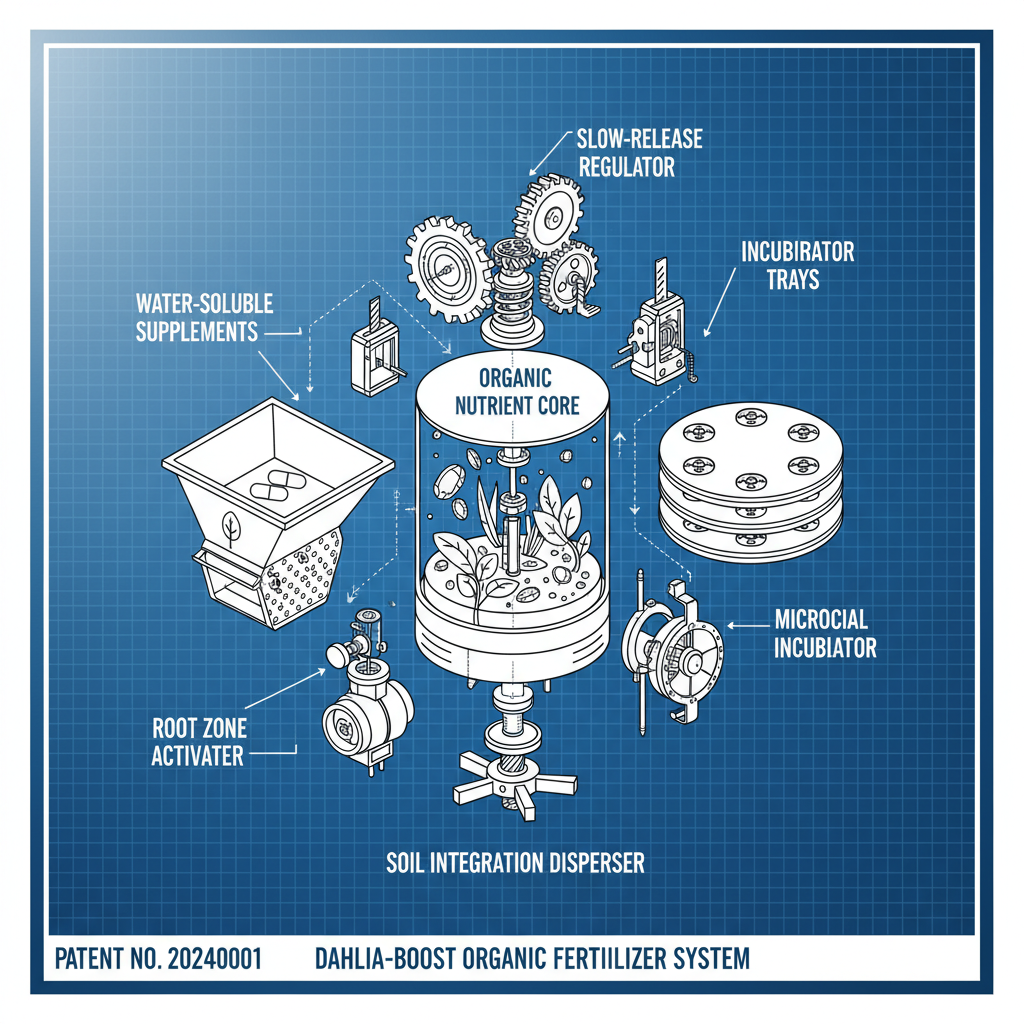
Why Organic Fertilizer is Ideal for Dahlias
Organic fertilizers provide a slow-release source of nutrients, mimicking the natural decomposition process. This gentle feeding promotes healthy root development, strengthens the plant’s immune system, and improves soil structure. Unlike synthetic fertilizers, organic options won’t burn the roots and contribute to long-term soil health. Dahlias are heavy feeders, so a consistent supply of nutrients is important. Organic fertilizers deliver this consistently, creating a thriving environment for these beautiful flowers. Choosing organic dahlia fertilizer is an investment in both the immediate beauty of your blooms and the long-term health of your garden.
Key Benefits: Slow-release nutrients, improved soil structure, enhanced root development, and a strengthened plant immune system.
Essential Nutrients for Thriving Dahlias
Dahlias require a balance of essential nutrients for optimal growth. Nitrogen (N) promotes leafy growth, but too much can hinder flowering. Phosphorus (P) is vital for root development and flower formation. Potassium (K) contributes to overall plant health, disease resistance, and vibrant blooms. Additionally, micronutrients like magnesium, iron, and zinc play important roles in various plant processes. A well-rounded organic dahlia fertilizer will provide the appropriate balance of these nutrients to support every stage of growth.
Nutrient Roles:
• Nitrogen (N): Leafy growth
• Phosphorus (P): Root and flower development
• Potassium (K): Plant health and bloom vibrancy
• Micronutrients: Various plant processes
Comparing Organic Dahlia Fertilizer Options
Several organic fertilizer options are suitable for dahlias. Compost, well-rotted manure, bone meal, and kelp meal are all excellent choices. Compost provides a general nutrient boost and improves soil structure. Manure is rich in nitrogen but should be well-rotted to avoid burning the roots. Bone meal is an excellent source of phosphorus, promoting strong root development and flowering. Kelp meal provides micronutrients and helps improve plant resilience. When choosing, consider your soil type and the specific needs of your dahlias. A blend of these options can provide a comprehensive nutritional package. The HH Fertilizer range offers tailored blends specifically formulated for flowering plants like dahlias.
Application Guidelines for Best Results
Timing is key when applying fertilizer. Incorporate compost or well-rotted manure into the planting hole at the time of planting. Side-dress dahlias with bone meal or kelp meal in early summer, just as the buds begin to form. Avoid over-fertilizing, as this can lead to lush foliage at the expense of blooms. Follow the instructions on the fertilizer packaging for specific application rates. Regular monitoring of your plants’ growth and appearance will help you adjust your fertilization schedule as needed.
HH Fertilizer: Your Partner in Dahlia Success
At HH Fertilizer, we understand the unique nutritional needs of flowering plants like dahlias. Our organic dahlia fertilizer blends are carefully formulated to provide the optimal balance of nutrients for vibrant blooms, healthy growth, and long-lasting beauty. We source only the highest-quality organic ingredients, ensuring a sustainable and effective solution for your garden. Explore our range of products today and discover the difference that quality organic fertilizer can make!
Conclusion: Nourishing Your Dahlias for Spectacular Blooms
Investing in the best organic dahlia fertilizer is an investment in the health and beauty of your garden. By providing the essential nutrients your dahlias need, you'll be rewarded with a profusion of stunning blooms. Choose organic, choose quality, and watch your dahlias thrive.
Frequently Asked Questions (FAQs)
How often should I fertilize my dahlias?
Dahlias benefit from regular, but not excessive, fertilization. A good rule of thumb is to incorporate compost or well-rotted manure into the planting hole. Then, side-dress with an organic fertilizer specifically formulated for flowering plants (like those from HH Fertilizer) 2-3 times during the growing season – once when growth begins, again when buds form, and a final application mid-bloom. Adjust based on your soil type and the plant's overall vigor. Observing your plants for signs of nutrient deficiencies (yellowing leaves, stunted growth) will also guide your fertilization schedule.
Can I use synthetic fertilizer on my dahlias?
While dahlias can tolerate synthetic fertilizers, we strongly recommend organic options. Synthetic fertilizers provide a quick nutrient boost but don't contribute to long-term soil health. They can also burn the roots and disrupt the soil's natural ecosystem. Organic fertilizers, on the other hand, release nutrients slowly, improving soil structure and creating a more sustainable growing environment for your dahlias.
What are the signs of nutrient deficiencies in dahlias?
Several signs can indicate nutrient deficiencies. Yellowing leaves (chlorosis) can signal a lack of nitrogen, iron, or magnesium. Stunted growth and poor flowering may indicate a phosphorus deficiency. Brown leaf edges can suggest a potassium deficiency. If you notice any of these symptoms, consider a soil test to pinpoint the specific nutrient deficiency and amend the soil accordingly with an appropriate organic fertilizer.
Is it possible to over-fertilize dahlias?
Yes, over-fertilizing is possible and can be detrimental to your dahlias. Excessive nitrogen can lead to lush foliage but fewer flowers. It can also make the plants more susceptible to pests and diseases. Always follow the recommended application rates on the fertilizer packaging, and err on the side of caution. If you suspect you’ve over-fertilized, leach the soil with plenty of water to help dilute the excess nutrients.
-
Unlock a Healthier Garden with the Best Organic Compost Fertilizer Solutions
NewsJan.28,2026
-
Unlock Bountiful Harvests with the Best Organic Corn Fertilizer Solutions
NewsJan.28,2026
-
Unlock Vibrant Blooms with the Best Organic Dahlia Fertilizer Guide
NewsJan.27,2026
-
Best Organic Dry Fertilizer for Sustainable Agriculture | HHFertilizer
NewsJan.05,2026
-
Best Organic Fertilizer for Tomato Starts – Expert Insights and Product Specs
NewsJan.05,2026
-
Why Best Organic Fall Fertilizer from HH Fertilizer is Essential for Sustainable Business Growth
NewsDec.13,2025