

Blog
-
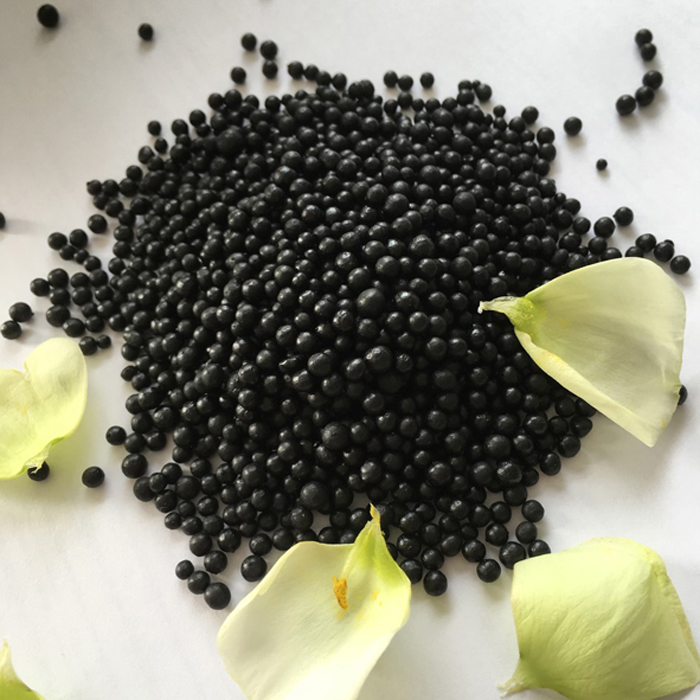
Organic fertilizer impact on soil health and greenhouse gas fluxes from agricultural soils
Agricultural systems are under pressure to produce increasing amounts of food for a growing human population while preserving, and ideally enhancing, the capacity of soils to sequester carbon and provide a habitat for biodiversity. Regenerative agricultural practices have been put forth to address this challenge. One such practice is the application of non-harmful, cheap organic fertilizers in combination with additives.Lege plus -
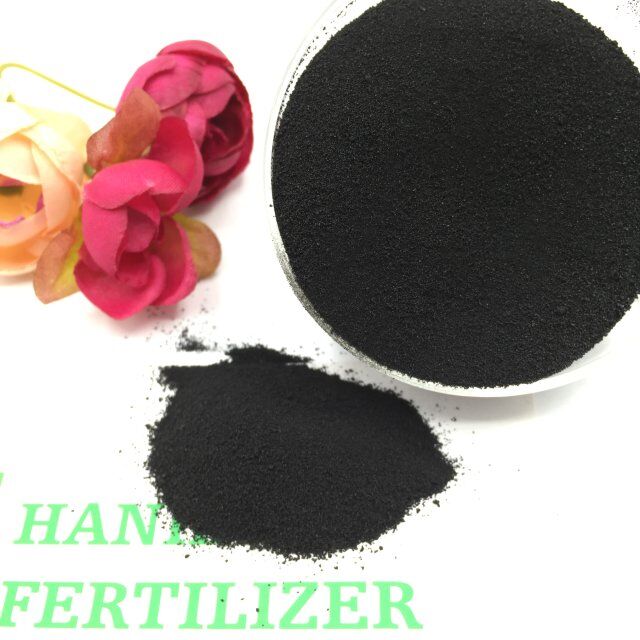
What is the Difference between Fertilizer Derived from Organic and Synthetic Sources?
Fertilizers derived from organic sources provide benefits to both plants and soil and when used properly generally won’t burn or damage plants. Organically derived fertilizers stimulate beneficial soil microorganisms and improve the structure of the soil. Soil microbes play a key role in converting organic fertilizers into soluble nutrients that can be absorbed by plants at a rate they can use. Organically derived fertilizers often provide the secondary and micronutrients plants need, usually absent in synthetic fertilizers.Organically derived fertilizers typically have a lower NPK analysis (nitrogen, phosphorus, potassium) than synthetics fertilizers, but they feed plants for a much longer period of time. As a result, the impact of organic fertilizers on lawn and plants is usually more subtle. It may take a little longer to see results, but the reward is a lawn that stays greener longer.Lege plus -
Unveiling the Impact of Chemical Fertilizers on Soil Health: A Comprehensive Guide
In the quest for higher agricultural productivity, chemical fertilizers have become an integral part of modern farming. However, their widespread use has raised concerns about their impact on soil health. This article aims to unveil the intricate relationship between chemical fertilizers and soil health, shedding light on the benefits, drawbacks, and sustainable alternatives for maintaining a balanced ecosystem.Lege plus -
Excess Fertilizer Use and Soil Health
One of these unsustainable methods is the widespread use of chemical fertilizers. Such fertilizers harm the soil and limit the possibility of growing healthy crops in the future. Here, we discuss the agricultural industry's excess use of chemical fertilizer, how this impacts soil health, and what alternative options we have.Lege plus -
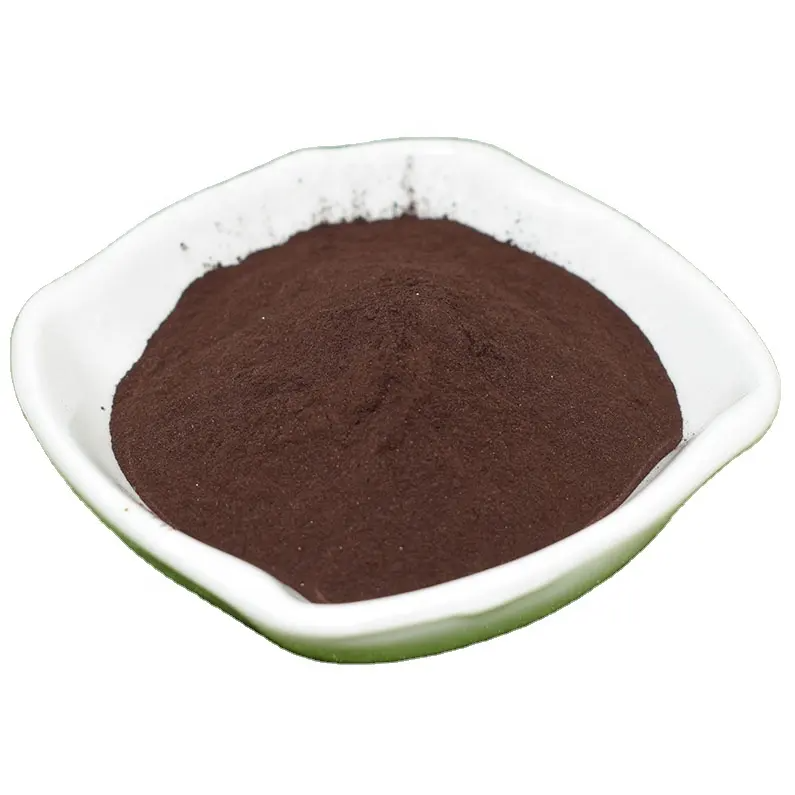
FERTILIZERS’ IMPACT ON SOIL HEALTH COMPARED
Ekrem Ozlu of the University of Wisconsin-Madison and his team studied two fields in South Dakota. From 2003 to 2015, the research team applied either manure or inorganic fertilizer to field plots growing corn and soybeans. They used low, medium, and high manure levels, and medium and high inorganic fertilizer levels. They also had a control treatment of no soil additives to provide a comparison.In the summer of 2015, they collected soil samples at a variety of depths using a push probe auger. Then they analyzed the samples.Manure helped keep soil pH—a measure of acidity or alkalinity—in a healthy range for crops. Inorganic fertilizer made the soil more acidic.Lege plus -

The Impact of Fertilizers on the Environment: Inorganic vs. Organic
Fertilizers play a vital role in modern agriculture, significantly increasing crop yields and feeding a growing population. However, it is important to understand the potential environmental impacts associated with their use. In this article, we will delve into how fertilizers can affect soil health, groundwater, and the atmosphere. We will also explore the differences between inorganic and organic fertilizers in terms of their environmental implications.Lege plus -
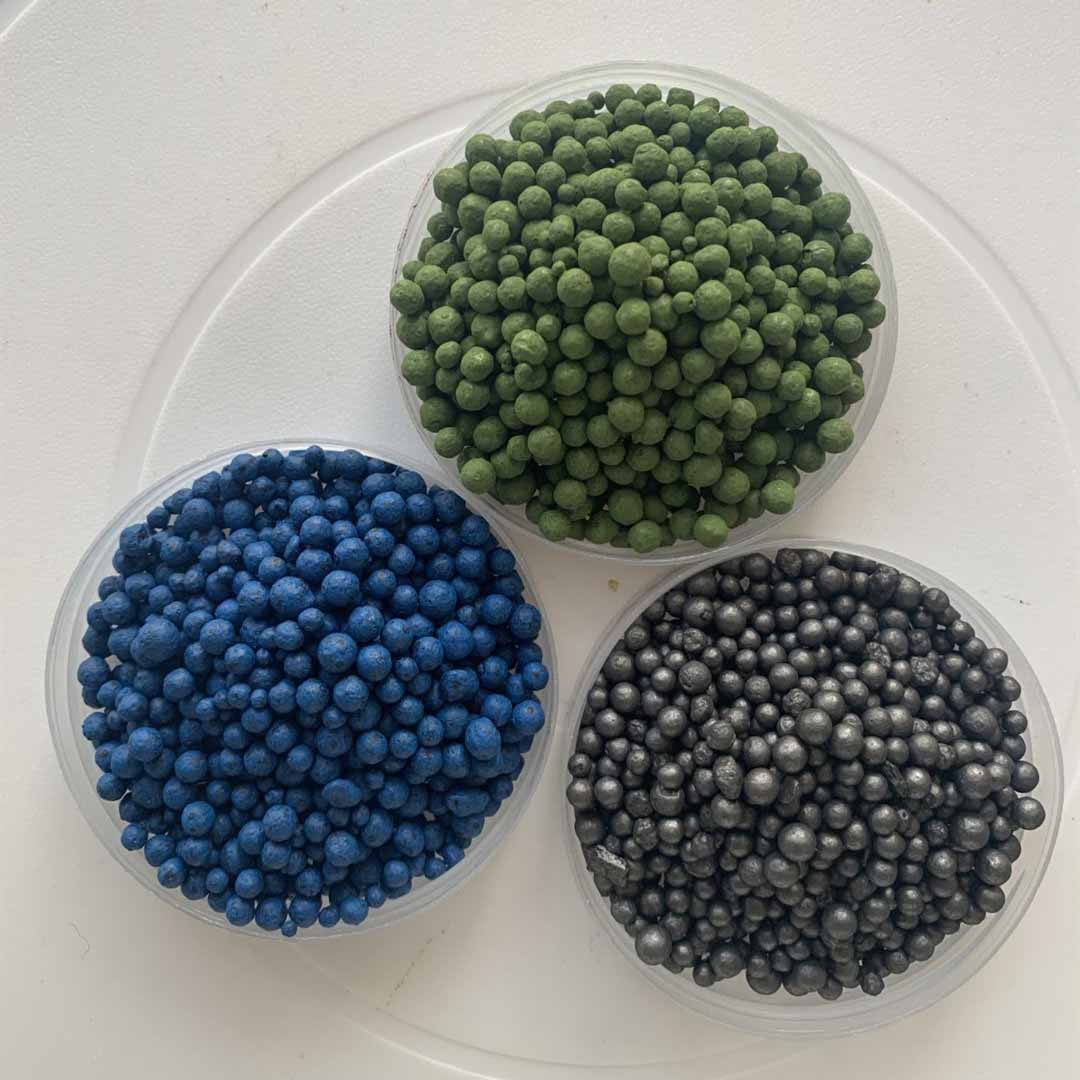
The Pros and Cons of Organic Fertilizers
There are many advantages to using organic fertilizers. That’s why we, at Emerald Lawns, use them as often as we can. We prefer them. However, there are some disadvantages too. In this article, we’ll go over the advantages and disadvantages of using organic fertilizers so you are aware of the reasons why we may occasionally opt to use a synthetic fertilizer.Lege plus -
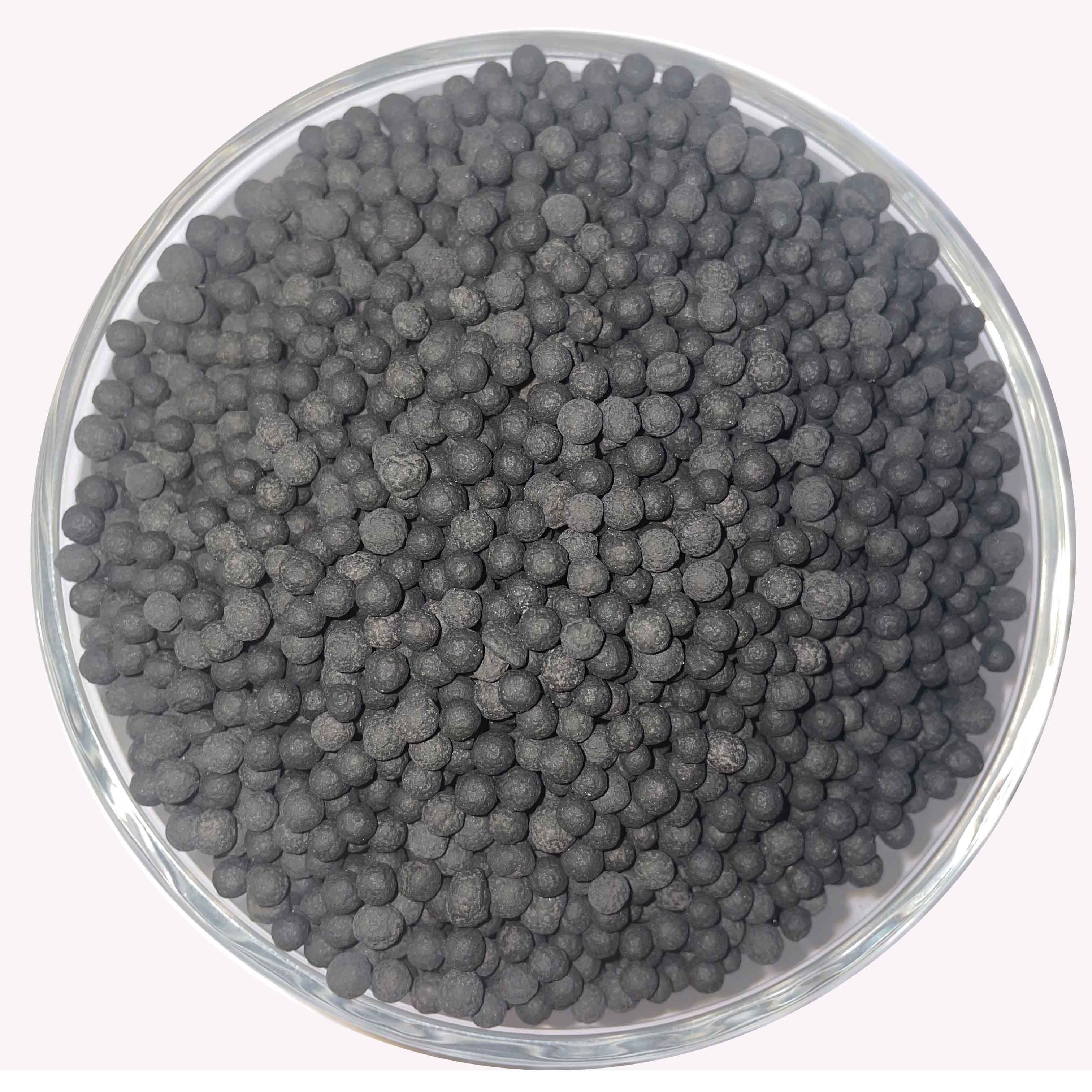
What Are The Advantages Of Organic Fertilizers?
Soil and crop health are two primary factors that farmers should think about when deciding which type of fertilizer to use. As the sustainable agriculture movement gains momentum, the advantages of organic fertilizers — which improve soil health, crop yields, and agricultural resilience — should become more widely recognized.Lege plus -

Chemical Fertilizers and Their Impact on Soil Health
Soils provide important ecological services for the maintenance and survival of life. Soil health management is critical to maintaining biodiversity and ensuring sustainable agricultural production. Soil health is regulated by soil properties, namely physicochemical and biological properties. Modern agriculture relies heavily on chemical fertilizers. These are inevitable threats to agriculture. Nonetheless, they remain an important tool for global food security. As sustainable agriculture becomes a global goal, the ill effects of chemical fertilizers cannot be ignored. Fertilizers play a vital role in increasing crop yields and soil fertility. There are many kinds of chemical fertilizers, such as nitrogen fertilizer, phosphorus fertilizer and potassium fertilizer. The use of fertilizers not only increases crop yields, but also alters the physicochemical and biological properties of the soil.Lege plus