

Jan . 28, 2026 10:55 Back to list
Unlock Bountiful Harvests with the Best Organic Corn Fertilizer Solutions
Best Organic Corn Fertilizer: A Comprehensive Guide
Growing healthy, bountiful corn requires more than just sunshine and water. The right fertilizer is crucial, and increasingly, farmers and gardeners are turning to organic corn fertilizer options. This article will delve into the benefits of organic fertilizers for corn, explore different types, and help you choose the best solution for your needs. We'll discuss how organic fertilizers not only nourish your plants but also contribute to healthier soil ecosystems.
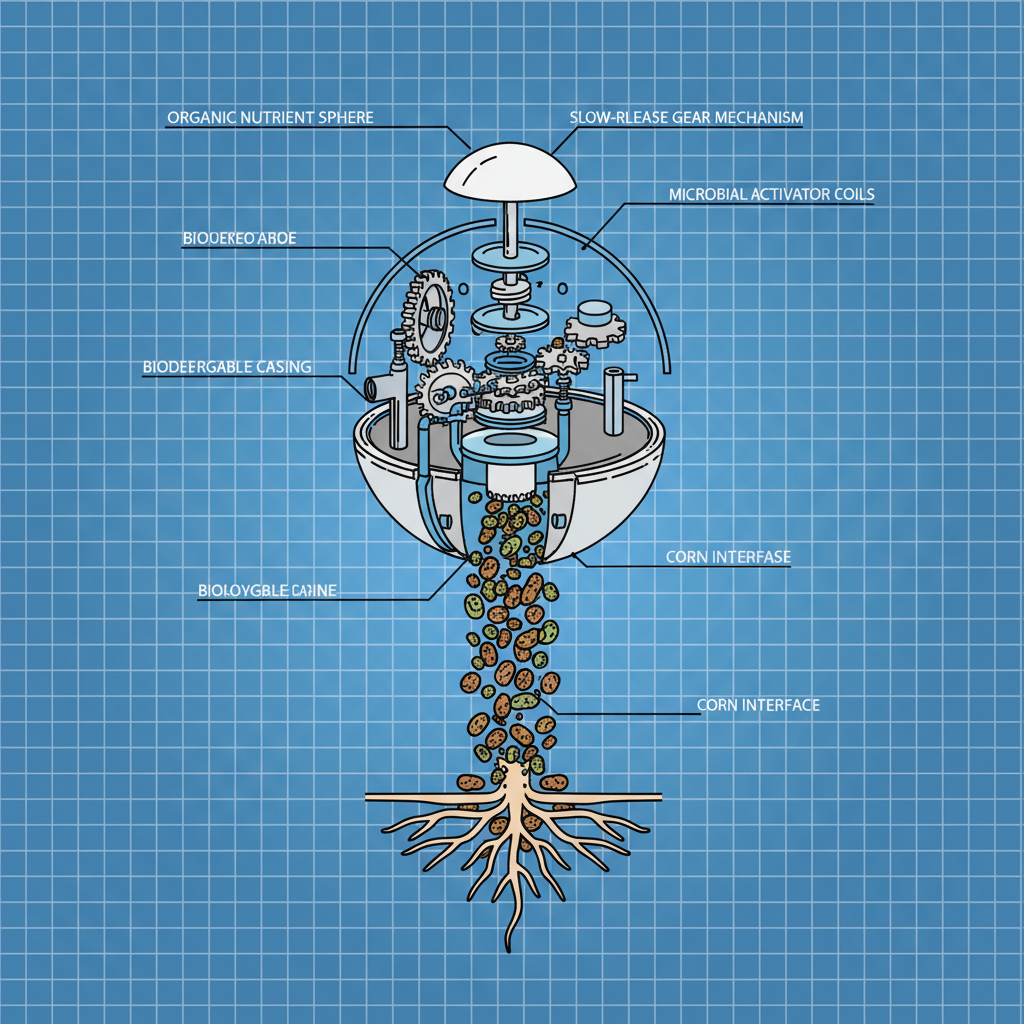
Why Choose Organic Fertilizer for Your Corn?
Unlike synthetic fertilizers, organic options are derived from natural sources like compost, manure, and plant residues. This means they release nutrients slowly and steadily, providing a sustained food supply for your corn plants. This slow release also minimizes the risk of fertilizer burn and water pollution. Moreover, organic fertilizers improve soil structure, enhancing water retention and aeration. A healthy soil ecosystem is teeming with beneficial microbes that help plants access nutrients and fight off diseases. Using organic corn fertilizer contributes to a more sustainable and resilient growing system.
Key Benefits: Improved soil health, slow-release nutrients, reduced risk of fertilizer burn, promotes beneficial microbes, sustainable agriculture.
Types of Organic Corn Fertilizer
Several excellent organic fertilizers can boost your corn yields. Here’s a look at some popular choices:
- Compost: A readily available and versatile option, compost provides a wide range of nutrients and improves soil structure.
- Manure: Well-rotted manure (cow, chicken, or horse) is rich in nitrogen, phosphorus, and potassium. Ensure it's properly composted to avoid burning plants.
- Blood Meal: A quick-release nitrogen source, ideal for giving young corn plants a boost.
- Bone Meal: Provides phosphorus, crucial for root development and ear formation.
- Fish Emulsion: A liquid fertilizer that delivers a balanced blend of nutrients.
- Cover Crops: Planting cover crops like legumes adds nitrogen to the soil naturally.
Choosing the Best Organic Corn Fertilizer
The "best" fertilizer depends on your soil type, growing conditions, and budget. A soil test can reveal any nutrient deficiencies. For nitrogen, blood meal or well-composted manure are excellent choices. To enhance phosphorus levels, bone meal is a good option. If you need a balanced fertilizer, fish emulsion or a high-quality compost are solid contenders. Consider using a combination of fertilizers to provide a comprehensive nutrient profile. HH Fertilizer offers a range of tailored organic corn fertilizer blends to meet various needs.
Factors to Consider:
• Soil test results
• Nutrient deficiencies
• Budget
• Application method
Organic vs. Synthetic Corn Fertilizer: A Comparison
Here's a comparison table highlighting the key differences between organic and synthetic corn fertilizers:
HH Fertilizer's Organic Corn Fertilizer Options
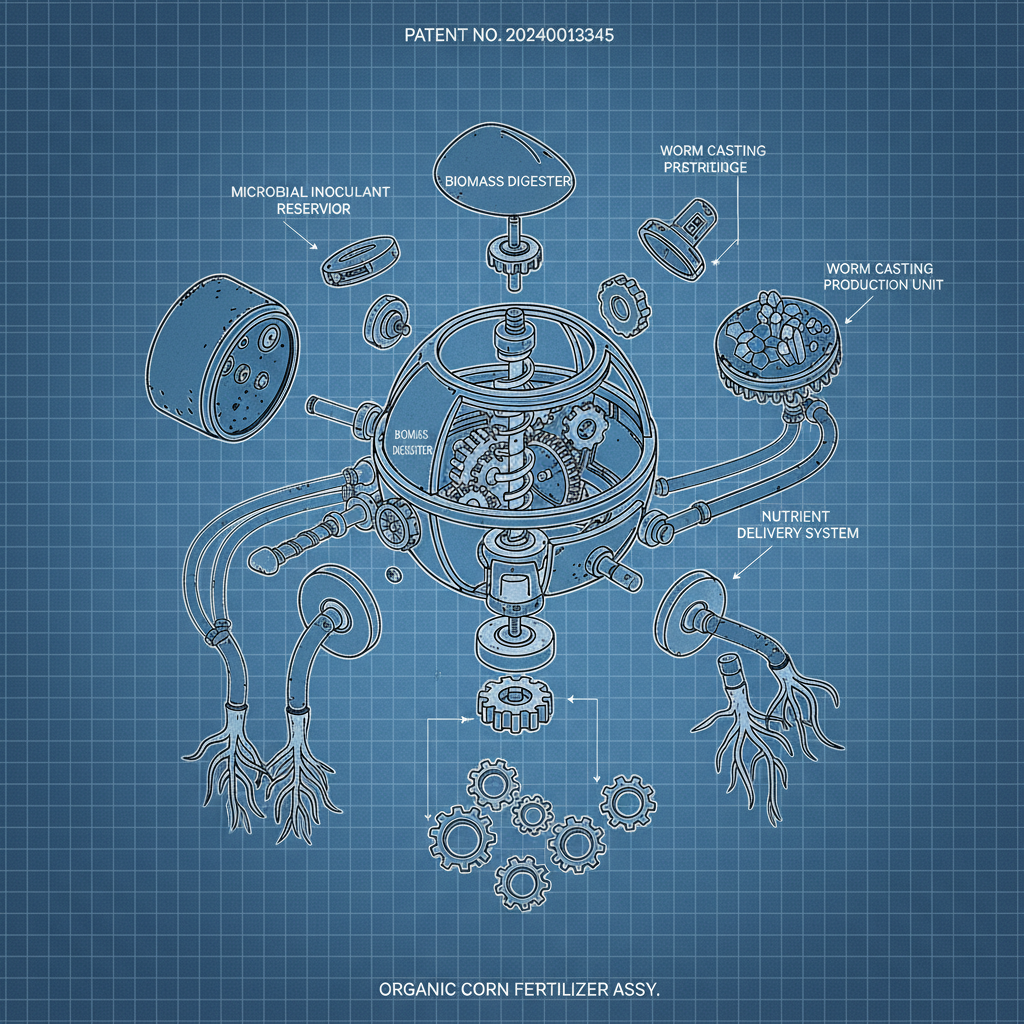
At HH Fertilizer, we understand the importance of providing high-quality, sustainable solutions for your corn crops. We offer a range of organic corn fertilizer blends tailored to different stages of growth and soil conditions. Our products are formulated with carefully selected ingredients to maximize yields and promote healthy plant development. Here’s a peek at our popular offerings:
Conclusion: Nourish Your Corn Naturally
Investing in organic corn fertilizer is an investment in the health of your soil, your crops, and the environment. By choosing natural and sustainable options, you can achieve bountiful yields while minimizing your ecological footprint. Explore the range of products available at HH Fertilizer and discover the perfect solution for your corn-growing needs.
Frequently Asked Questions (FAQs)
How often should I fertilize my corn?
Corn is a heavy feeder, and fertilization timing is crucial. Typically, corn benefits from three applications: at planting (starter blend), during rapid vegetative growth (growth booster), and during ear development (finish blend). Applying fertilizer at these key stages ensures the plant has the nutrients it needs when it needs them most. Soil testing can help refine these recommendations based on your specific soil conditions. Using a slow-release organic fertilizer helps provide a consistent supply of nutrients throughout the growing season, minimizing the need for frequent applications.
Can I use compost as my sole source of fertilizer for corn?
While compost is an excellent soil amendment and provides valuable nutrients, it may not be sufficient as the sole source of fertilizer for corn, particularly in nutrient-poor soils. Corn requires a relatively high amount of nitrogen, and compost may not consistently provide enough. Combining compost with other organic fertilizers like blood meal or manure can create a more balanced and effective nutrient program. Regularly enriching your soil with compost is still incredibly beneficial, even when using supplemental fertilizers.
What are the signs of nutrient deficiencies in corn?
Common signs of nutrient deficiencies in corn include yellowing leaves (nitrogen deficiency), stunted growth (phosphorus deficiency), and reddish-purple leaves (potassium deficiency). Other symptoms can include weak stalks, poor ear development, and delayed maturity. A soil test is the most reliable way to diagnose nutrient deficiencies accurately. Addressing deficiencies promptly with appropriate organic fertilizers can help restore plant health and maximize yields.
How do I apply organic fertilizer to corn?
Organic fertilizers can be applied in several ways. Granular fertilizers can be broadcasted over the soil and incorporated by light tilling or raking. Liquid fertilizers, like fish emulsion, can be applied as a foliar spray or directly to the soil. When applying fertilizer, follow the recommended application rates on the product label to avoid over-fertilizing. Timing is also important; apply fertilizer at the appropriate growth stages for optimal results.
-
Unlock a Healthier Garden with the Best Organic Compost Fertilizer Solutions
NewsJan.28,2026
-
Unlock Bountiful Harvests with the Best Organic Corn Fertilizer Solutions
NewsJan.28,2026
-
Unlock Vibrant Blooms with the Best Organic Dahlia Fertilizer Guide
NewsJan.27,2026
-
Best Organic Dry Fertilizer for Sustainable Agriculture | HHFertilizer
NewsJan.05,2026
-
Best Organic Fertilizer for Tomato Starts – Expert Insights and Product Specs
NewsJan.05,2026
-
Why Best Organic Fall Fertilizer from HH Fertilizer is Essential for Sustainable Business Growth
NewsDec.13,2025